
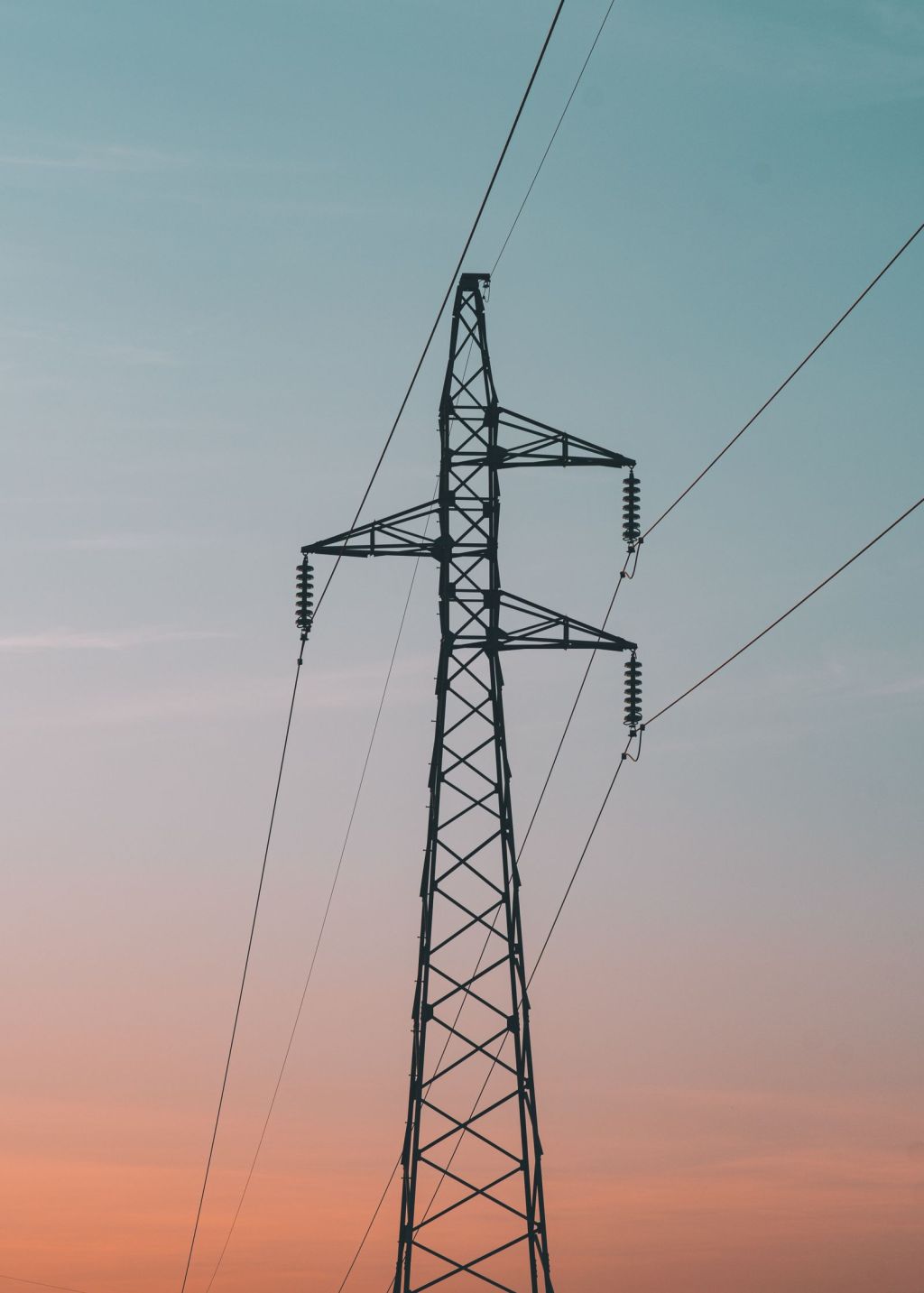
Africa’s power systems range from South Africa’s industrial grid to countries where most people are still unconnected. What they share is a decade of reform, a wave of renewable procurement, and a transmission and distribution build-out that is only beginning. This overview links our country guides and explains the region-wide forces.
How are Africa’s power sectors organised?
Most countries still have a state utility at the centre — vertically integrated in many cases, unbundled or under private concession in others — buying from a growing number of independent producers. Regulators have been established almost everywhere, and competitive procurement of renewables has spread from South Africa’s programme to Zambia, Senegal, Egypt, Morocco and beyond. Our guides cover South Africa, Nigeria, Kenya, Egypt, Morocco, Ghana, Ethiopia, Tanzania, Zambia, Mozambique and Senegal and Côte d’Ivoire.
What are the power pools?
Regional organisations that coordinate cross-border trade and interconnection: the Southern African Power Pool (the most developed, with a competitive market), the Eastern Africa Power Pool (Ethiopia–Kenya HVDC and beyond), the West African Power Pool (the coastal backbone and Sahel links) and the Central and North African pools. Interconnectors let hydro-rich countries export and thermal-heavy ones import, and they are among the largest infrastructure projects on the continent. See our grid section.
How big is the access gap?
Hundreds of millions of people remain without electricity, concentrated in Sub-Saharan Africa. Initiatives such as the World Bank and African Development Bank’s programme to connect 300 million people by 2030 combine grid extension, mini-grids and off-grid solar with utility reform. For suppliers this means demand for distribution equipment, meters, solar home systems and mini-grid kit alongside the big transmission and generation orders.
Where is the investment going?
Transmission and interconnection; utility-scale solar and wind under competitive programmes; storage to firm renewables and stabilise weak grids; gas-to-power in gas-producing countries; hydro where resources allow; and distribution and metering to cut losses and lift access. Development finance — the African Development Bank, the World Bank, European and Asian bilateral lenders — remains central, and shapes procurement rules.
What does it mean for suppliers to utilities and OEMs?
Formal, lender-driven utility procurement where references, standards and local partners matter; fast-moving private markets for commercial and industrial solar and storage; and rising local-content expectations that favour supplying components to African OEMs and assemblers. Our insights guides go country by country; Emerging Energy Weekly carries the news.
Key continental programmes and projects to watch
- Mission 300, the World Bank and African Development Bank initiative to connect 300 million people by 2030, which comes with utility-reform compacts and large distribution, mini-grid and generation procurement.
- Regional interconnectors and market development in the Southern, Eastern and West African power pools — see interconnector projects accelerate and cross-border transmission financing.
- South Africa’s transmission and storage programmes, the continent’s largest single pipelines — see the South Africa guide and standalone battery tenders.
- North African renewables and export hubs in Egypt and Morocco, including links to Europe and the Gulf.
- East African geothermal, hydro and HVDC in Kenya, Ethiopia and Tanzania — see geothermal draws renewed attention.
- West African gas-to-power, distribution reform and metering in Nigeria, Ghana and Senegal and Côte d’Ivoire — see loss-reduction programmes.
- Southern African drought diversification in Zambia and Mozambique — see hydro drought risk.
How procurement, standards and financing work across the continent
Most African power markets are single-buyer systems in which a state utility procures grid equipment under national procurement law and buys power from IPPs; South Africa, Kenya, Ghana, Nigeria and Uganda have unbundled structures with several state buyers. Development-bank finance — World Bank, AfDB, EIB, EBRD in the north, KfW, AFD, JICA and Chinese policy banks — underwrites most large projects and imposes its own procurement rules, described in How to sell to utilities in emerging markets. Standards are IEC-based with national overlays; local-content and industrialisation requirements are strongest in South Africa, Egypt and Morocco — see local content rules tighten. Private and corporate procurement is growing fastest where wheeling and corporate PPA frameworks exist.
Common risks and constraints
Utility finances and tariff reform are the continent-wide constraint, followed by transmission capacity, foreign-exchange availability and, in some markets, security. Transformer and grid-equipment lead times now affect every programme. Against that, Africa combines the world’s largest access gap, some of its best solar, wind, hydro and geothermal resources, and a growing pipeline of development-bank-backed procurement — the reasons it is a core focus for EnergiTech Media alongside Southeast Asia.
Key facts at a glance
- State utilities central; independent producers and competitive procurement spreading
- Power pools drive interconnection and trade
- Access gap: hundreds of millions unconnected; large connection programmes
- Investment: transmission, solar and wind, storage, gas-to-power, hydro, distribution and metering
Sources and further reading
- IEA — Africa Energy Outlook — continental outlook
- IRENA — Africa — renewables analysis and statistics
- World Bank — Mission 300 — access programme
- African Development Bank — Energy — lending and Desert to Power
- Southern African Power Pool — regional trade
- West African Power Pool — regional trade
- Eastern Africa Power Pool — regional trade
- Africa Energy Portal — data and news
This article was researched and written by the EnergiTech Media editorial team and last reviewed in August 2026. We update country and sector guides as tenders, plans and regulations change. Spotted something out of date? Email support@energitechmedia.com.
 EnergiTech Media
Leave a comment