
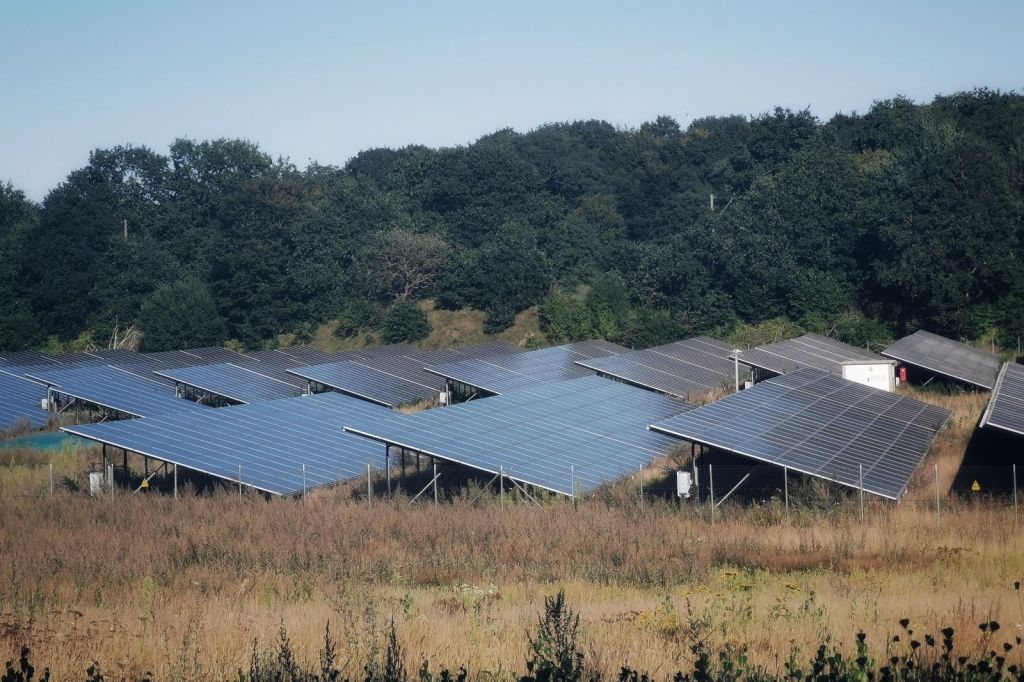
Zambia shows what hydro dependence looks like when the rains fail. A grid built around the Kariba and Kafue rivers has faced severe shortfalls in dry years, pushing the country toward solar, storage, imports and diversified generation — with copper mining demand adding urgency.
Who runs Zambia’s power system?
ZESCO, the state utility, dominates generation, transmission and distribution; a private utility serves the Copperbelt mines, and independent producers are growing. The Energy Regulation Board regulates, and the Ministry of Energy sets policy. Zambia is an active member of the Southern African Power Pool, trading with neighbours.
Why is drought such a risk?
Most generation is hydro on shared rivers, so low reservoir levels translate directly into load-shedding for households and rationing for industry, as recent dry seasons have shown. The response has combined emergency imports, demand management and an accelerated push for solar and other capacity. Read our power generation section.
How is solar being procured?
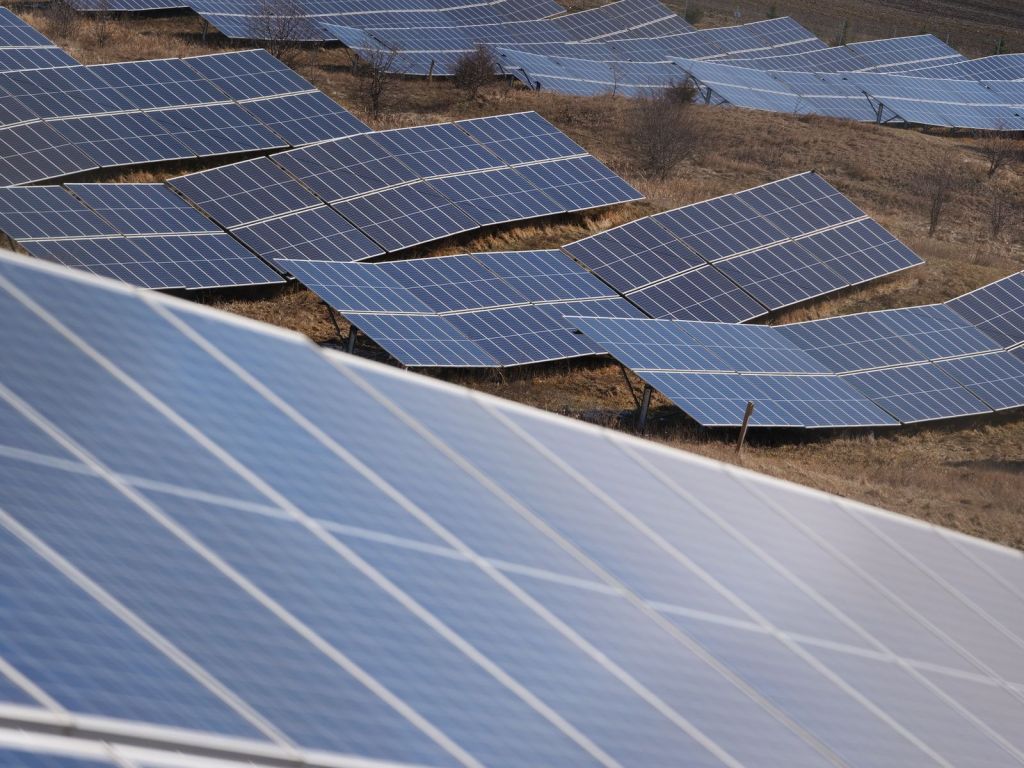
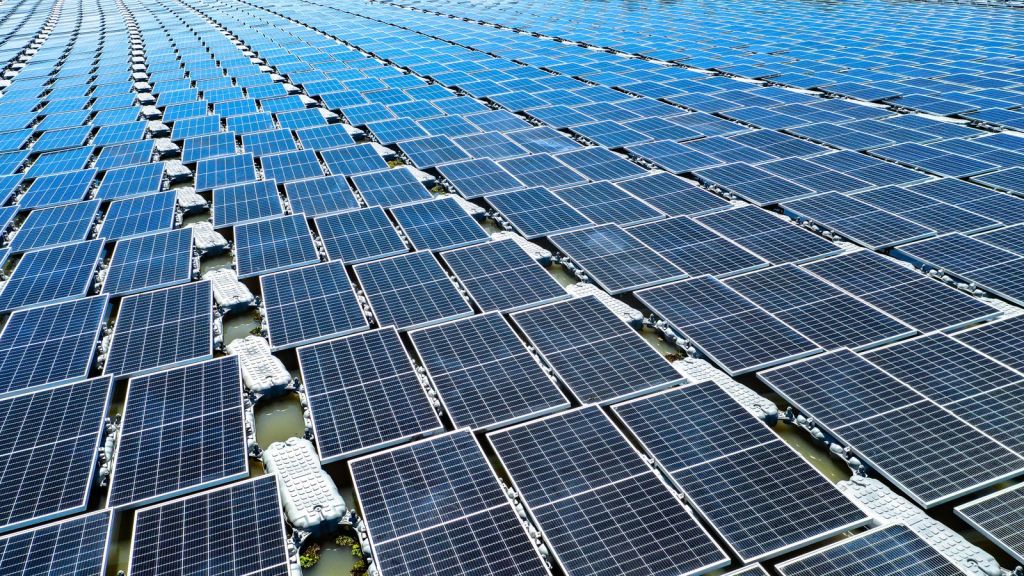
Zambia was an early adopter of competitively tendered utility-scale solar through programmes with development partners, and has since opened further procurement, net-metering and private-to-private power sales for mines and industry. Storage is entering planning to firm solar and support the grid. Follow our renewables and storage coverage.
What grid infrastructure is needed?
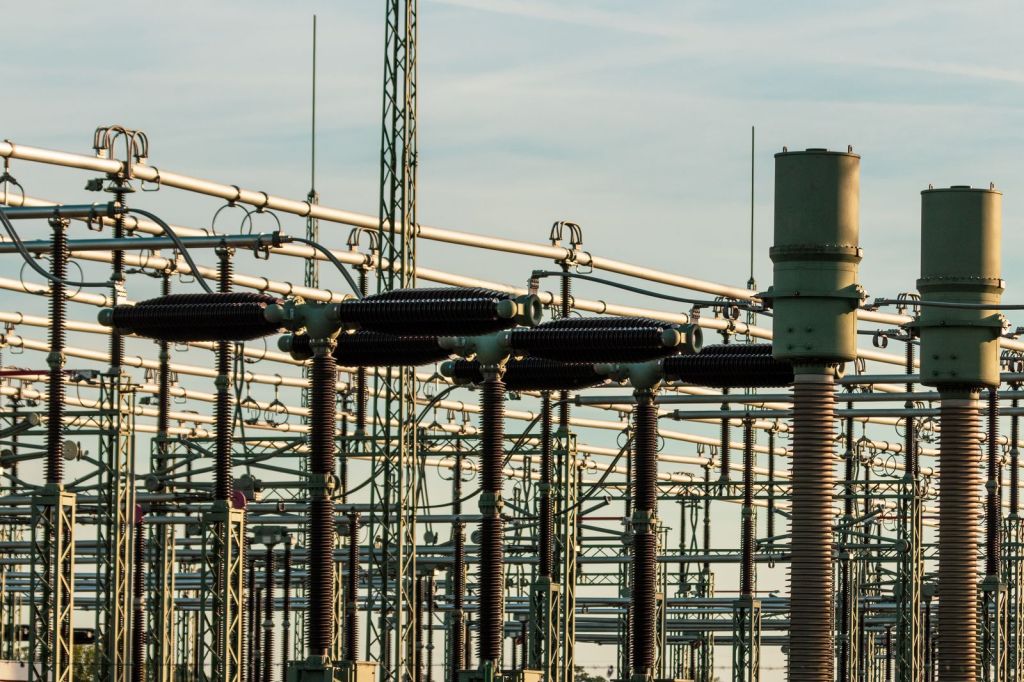
Transmission to connect new solar and hydro sites, strengthen the link to the Copperbelt and expand interconnection with neighbours; substation and distribution reinforcement; and metering and loss-reduction programmes. See our grid section.
What should suppliers know?
ZESCO procurement is formal and often lender-financed by the World Bank, the African Development Bank and others; the mining sector procures its own power projects and equipment through international EPCs and developers, which is often the faster route. Foreign-currency and utility payment questions require structuring.
Key projects and programmes to watch
- Solar procurement at scale to reduce hydro dependence — the Scaling Solar plants, GET FiT projects and new utility and private solar rounds — see hydro drought risk and solar tenders reward evening delivery.
- Battery storage to firm solar and support the grid — see standalone battery tenders.
- Regional interconnection, including the Zambia–Tanzania–Kenya line linking the Southern and Eastern African power pools — see interconnector projects accelerate.
- Kafue Gorge Lower and hydro upgrades, alongside thermal capacity such as the Maamba coal expansion.
- Open access and mining PPAs, which let mines contract private renewable supply across ZESCO’s network — see wheeling frameworks and corporate PPAs.
- Grid reinforcement and metering, including transmission to the Copperbelt and loss reduction.
How procurement, standards and financing work
ZESCO is the state utility procuring under the Public Procurement Act, with the World Bank, African Development Bank and other lenders financing transmission and solar programmes; the Copperbelt Energy Corporation and other private companies operate distribution and transmission for mines. The Energy Regulation Board regulates and has published open-access rules. IPPs, including solar developers, choose suppliers commercially. Standards follow IEC and Zambia Bureau of Standards requirements.
Risks and constraints
Successive Kariba droughts have caused severe load-shedding and exposed ZESCO’s finances, while the country’s debt restructuring affected project finance. Yet the same crisis has created a clear pipeline: solar, storage, interconnectors and mining-driven private supply. Read alongside our Africa energy infrastructure overview and guides to South Africa and Mozambique.
Key facts at a glance
- Utility: ZESCO; regulator Energy Regulation Board; SAPP member
- Risk: hydro dependence and drought-driven shortfalls
- Response: solar tenders, private-to-private sales, imports, storage in planning
- Demand: copper mining and industry
Sources and further reading
- ZESCO — national utility
- Energy Regulation Board — regulation and open access
- World Bank — Zambia — projects and analysis
- Southern African Power Pool — regional trade
- Scaling Solar — IFC solar programme
This article was researched and written by the EnergiTech Media editorial team and last reviewed in August 2026. We update country and sector guides as tenders, plans and regulations change. Spotted something out of date? Email support@energitechmedia.com.
Subscribe to Emerging Energy Weekly for weekly Southern Africa coverage.
 EnergiTech Media
Leave a comment