
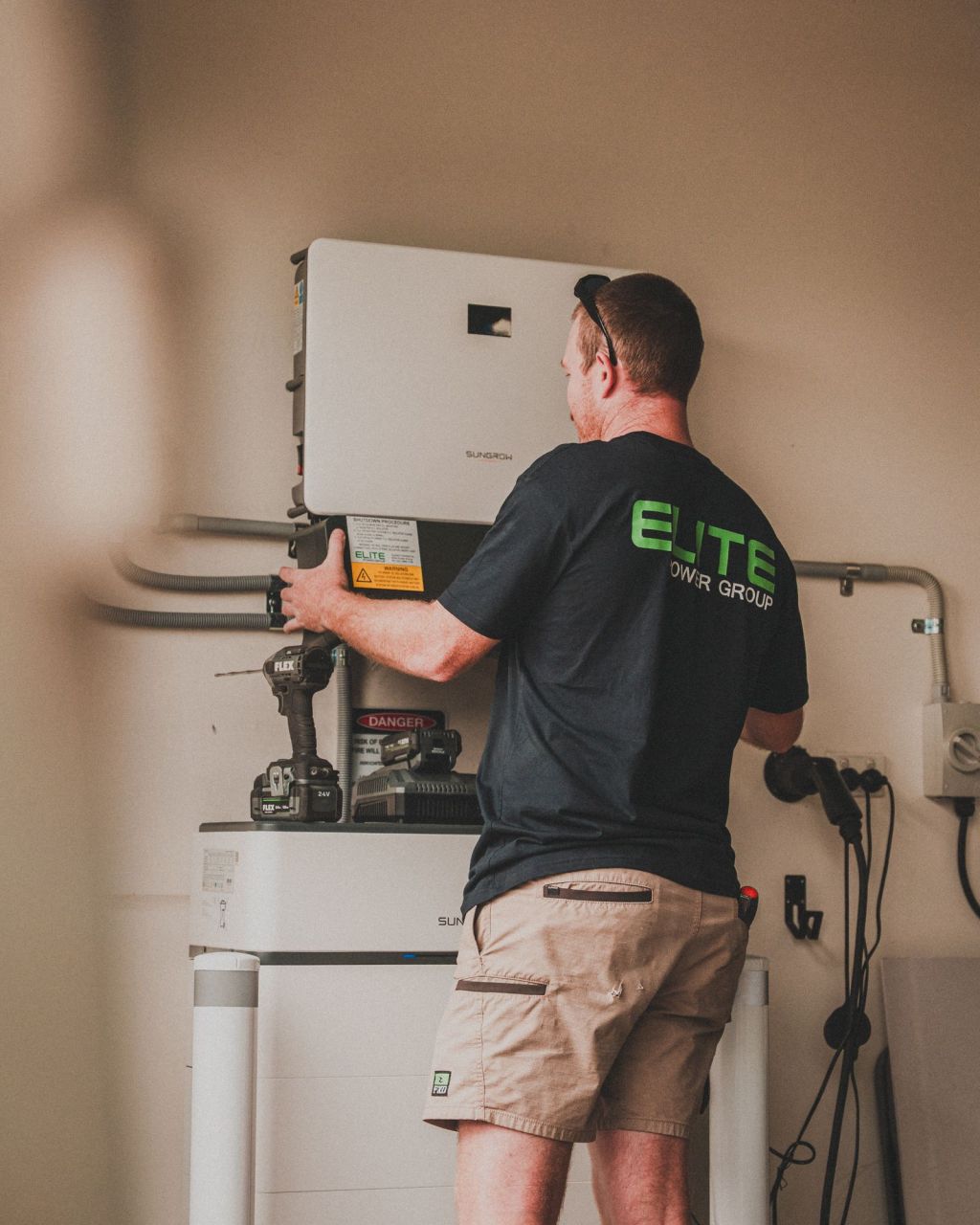
Standalone battery storage procurement in emerging markets is changing scale. Where early rounds bought tens of megawatts to test contracts and technology, recent programmes are specifying hundreds of megawatts and multi-hour durations at named grid nodes, with capacity and availability payments that make projects financeable.
The shift follows a familiar path: system operators facing rising solar and wind shares first trial batteries for frequency support, then move to buying storage as a planned grid resource. Storage-as-transmission — batteries procured to relieve congestion or defer lines — is appearing in planning documents alongside conventional reinforcement.
What the new rounds look like
Tenders increasingly split into standalone and co-located tracks, define the service explicitly and score bids on price per megawatt of available capacity, with minimum thresholds for efficiency, degradation and safety certification. Standard contracts and payment security from state or multilateral backers are what draw international bidders. Our guide to how BESS tenders work explains the mechanics.
What it means for suppliers
Volume orders for cells, systems and power-conversion equipment; more emphasis on bankable warranties and local service; and growing interest in local assembly to meet content rules. Transformer and switchgear lead times are becoming a constraint on storage timelines as much as on generation.
Background: from pilots to procurement at scale
Until recently most battery projects in emerging markets were small, donor-funded pilots attached to a solar plant or an island grid. That changed as system operators began to experience the evening ramp, frequency excursions and curtailment that come with high solar penetration, and as battery pack prices fell far enough for storage to compete with gas peakers on a cost-per-kilowatt basis. Analysis from the IEA and IRENA has documented both the price decline and the shift toward grid-scale procurement, and multilateral lenders such as the World Bank and the Asian Development Bank now include standalone storage in their lending programmes.
The result is a new class of tender: hundreds of megawatts and megawatt-hours, procured under long-term capacity contracts, with the utility or system operator dispatching the asset. South Africa’s battery storage rounds, the standalone tenders emerging in South and Southeast Asia and the storage components of North African solar programmes all follow this template, which we explain in detail in What is a BESS tender?.
What to watch
- Contract structure. Availability-based capacity payments dominate, but some rounds are testing tolling and hybrid revenue models that let developers earn from ancillary services.
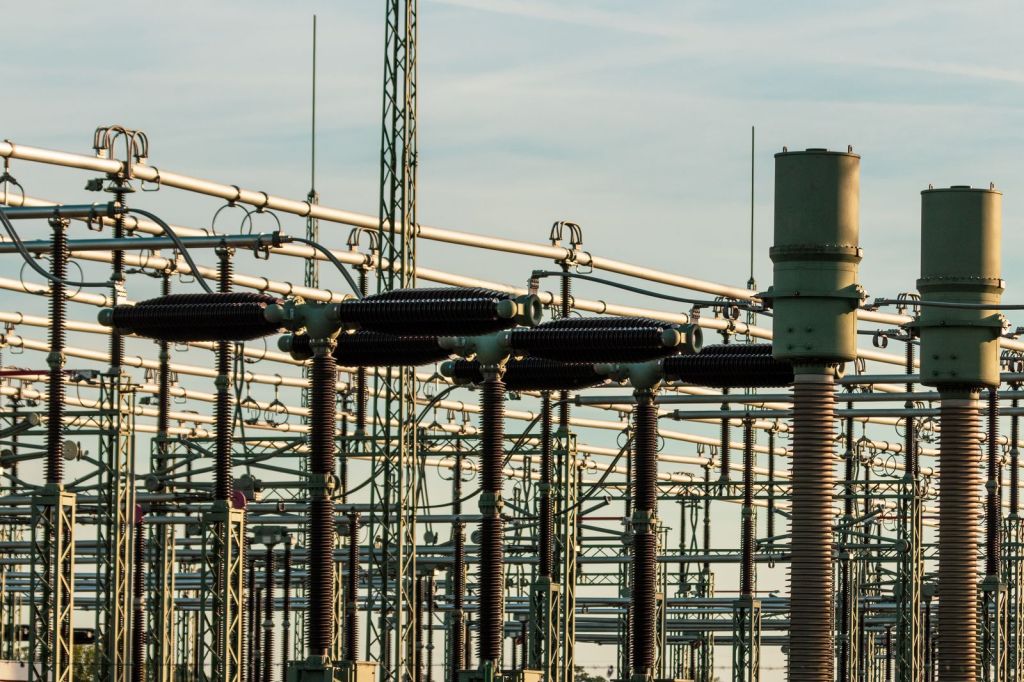
- Grid connection. Standalone tenders increasingly specify the substation and bay to be used, which puts transformer lead times and switchgear availability on the critical path.
- Warranty and safety terms. Lenders are pushing for tighter degradation guarantees and adherence to fire-safety codes such as NFPA 855 and UL 9540A.
- Local assembly. Several governments are pairing storage tenders with local-content or local-assembly requirements, similar to those seen in renewables procurement.
What it means for suppliers to utilities and OEMs
For integrators, cell and module makers, inverter and PCS suppliers, and providers of energy management systems, HVAC, fire suppression and enclosures, the shift to large tenders means qualification happens earlier and against a written specification. Utilities are asking for reference lists, factory audits, cybersecurity documentation and long-term service agreements. Suppliers that can support bidders through the pre-qualification stage — with bankable data sheets, test certificates to IEC 62619 and IEC 62933, and clear degradation curves — are winning positions on bid teams well before contracts are signed. Our storage sector page tracks tender announcements as they are published.
Quick answers
What size are the new standalone battery tenders?
Recent rounds have procured from around 100 MW up to several hundred megawatts per round, typically with two to four hours of duration, contracted under 10- to 20-year capacity agreements.
Who is buying standalone storage in emerging markets?
State utilities, transmission system operators and single-buyer agencies are the main procurers, often with development-bank finance or guarantees behind the contracts.
Sources and further reading
- IEA — Batteries and Secure Energy Transitions — battery cost trends and grid-scale outlook
- IRENA — Energy storage — technology and market briefings
- World Bank — Energy Storage Program (ESMAP) — storage programmes in developing countries
- Asian Development Bank — Energy — storage lending in Asia and the Pacific
- IEC 62933 series — electrical energy storage systems standards
- NFPA 855 — installation standard for stationary energy storage
- EnergiTech Media — What is a BESS tender? — our procurement explainer
This article was researched and written by the EnergiTech Media editorial team and last reviewed in August 2026. We update country and sector guides as tenders, plans and regulations change. Spotted something out of date? Email support@energitechmedia.com.
Follow every round in our energy storage section and in Emerging Energy Weekly.

 EnergiTech Media
Leave a comment