
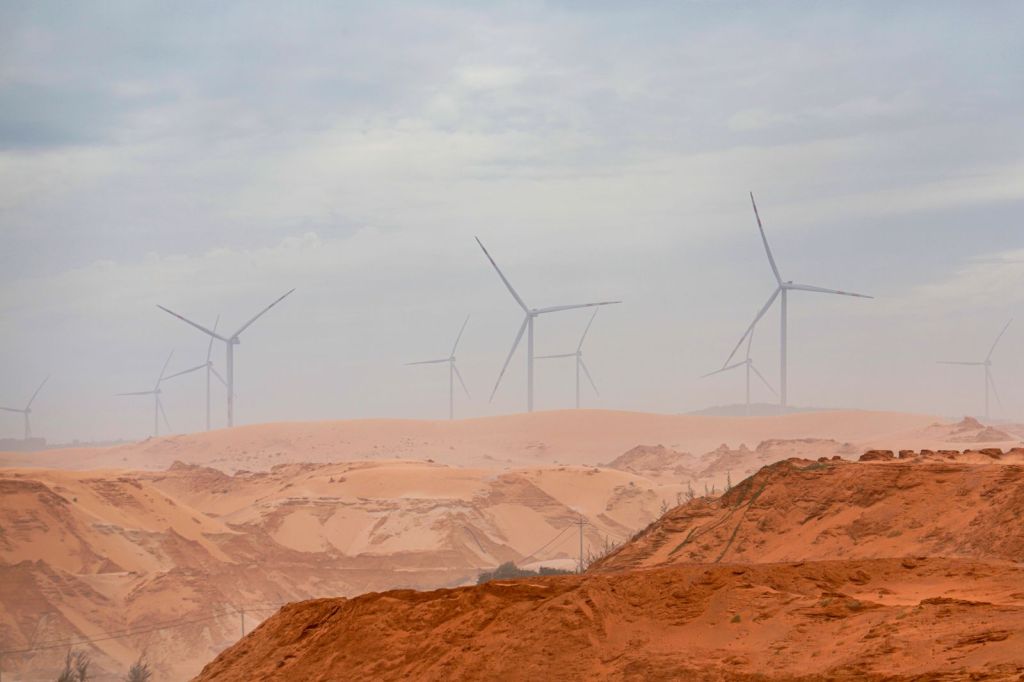
Vietnam is one of the fastest-growing power systems in Southeast Asia and one of the most instructive for suppliers: a state-led grid, a renewables boom that outran the wires, and a long pipeline of transmission, gas-to-power and storage work still to be built. This guide answers the questions we are asked most often about the country’s energy infrastructure.
Who runs Vietnam’s power system?
Electricity of Vietnam (EVN), the state-owned utility, dominates generation, owns the transmission grid through the National Power Transmission Corporation (EVNNPT), and runs distribution through five regional power corporations. Policy sits with the Ministry of Industry and Trade (MOIT), and the Electricity Regulatory Authority of Vietnam oversees tariffs and market rules. Independent power producers — domestic conglomerates and foreign developers — build most new generation and sell to EVN under power purchase agreements, while a wholesale market has operated in stages since 2019. Suppliers therefore face a single dominant buyer for grid equipment and a fragmented, fast-moving developer market for generation equipment.
What does the national power development plan prioritise?
The eighth Power Development Plan (PDP8), approved in 2023, sets the direction to 2030 with a view to 2050: rapid demand growth, a large build-out of gas-fired and LNG-fired capacity as coal is capped, continued expansion of onshore wind and solar, the first offshore wind, and a substantial transmission programme including new 500 kV backbone lines to move power between the north and the south. Implementation plans issued afterwards allocate capacity by province and technology, and are the documents suppliers should track for tender pipelines. The IEA’s Vietnam profile is a useful independent summary of the numbers.
Why did solar and wind boom — and then stall?
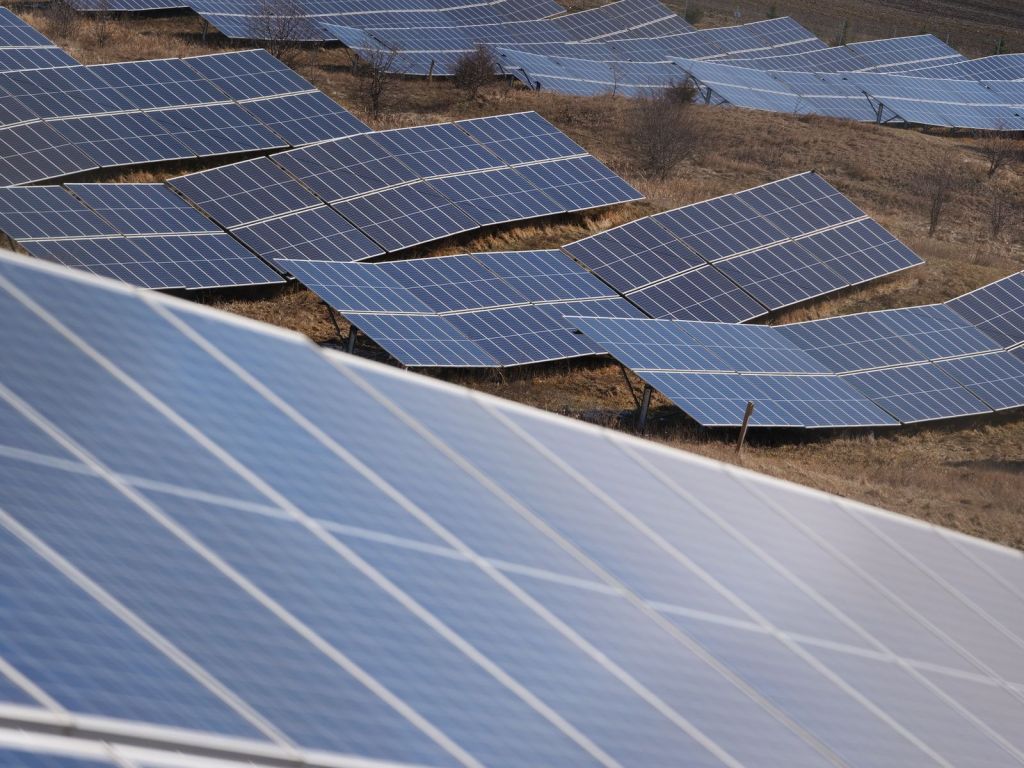
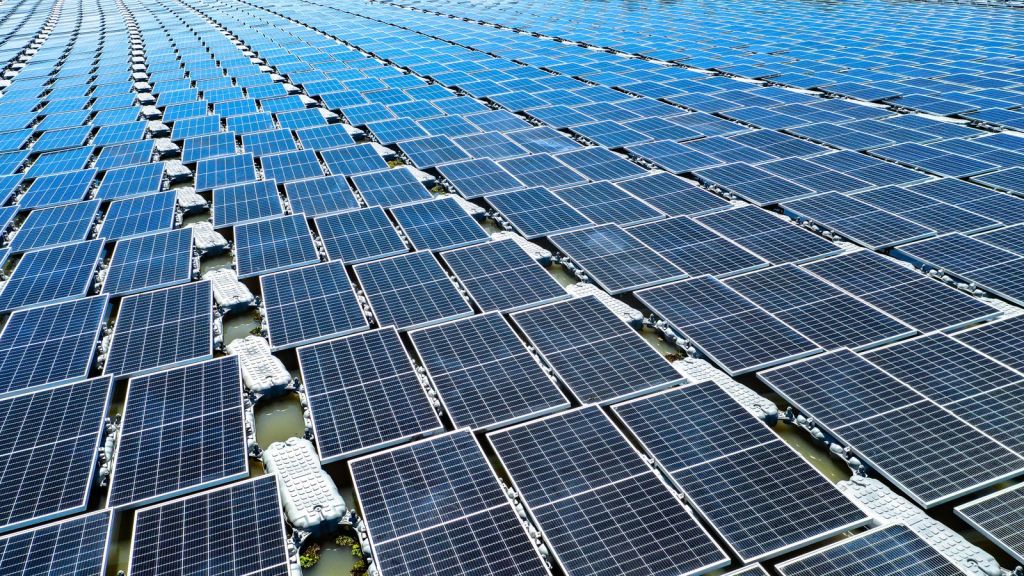
Generous feed-in tariffs between 2017 and 2021 produced one of the fastest solar and wind build-outs anywhere, concentrated in the sunny south-central provinces. Transmission could not keep pace, so curtailment became routine, and the end of the tariff windows left projects waiting for a replacement pricing mechanism. The lessons for suppliers are the ones we return to across emerging markets: storage and grid access decide whether generation earns money, and procurement rules can change quickly. The direct power purchase agreement mechanism, which lets large consumers buy renewable power directly, opens a second route to market for developers and their equipment suppliers.
Where is the infrastructure money going next?
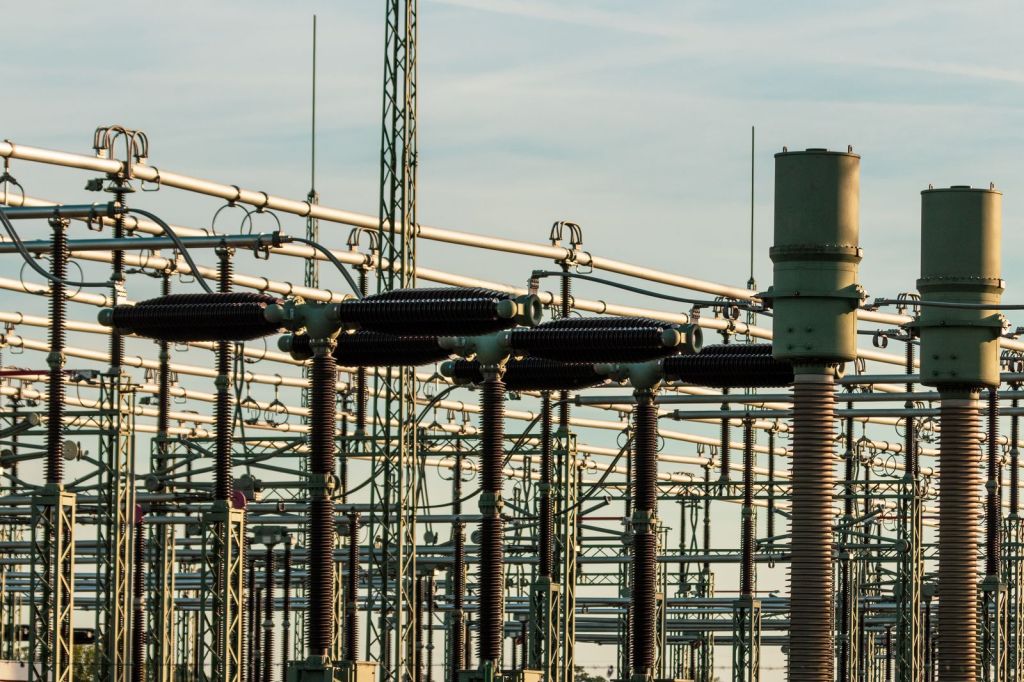
Four areas stand out. Transmission and substations, where EVNNPT is expanding 500 kV and 220 kV capacity and modernising control systems. Gas and LNG-to-power, with import terminals and combined-cycle plants replacing planned coal. Offshore wind, where survey and seabed rules are being written and turbine, foundation and cable suppliers are positioning early. And energy storage, both co-located with solar to reduce curtailment and as grid-support assets. Read our grid and transmission coverage and energy storage coverage for the latest developments.
What should suppliers to utilities and OEMs know?
EVN procurement is formal, price-driven and often financed by development banks such as the Asian Development Bank and the World Bank, so international tender rules and local-partner arrangements matter. Localisation of manufacturing — from solar modules to transformers and switchgear — is growing, which creates opportunities for component suppliers to Vietnamese OEMs. Expect long lead times, a preference for proven references in comparable grids, and intense competition on price.
Key projects and programmes to watch
- Power Development Plan 8 (PDP8) and its implementation plan, which set capacity targets to 2030 and 2050 and shape every tender in the sector; published by the Ministry of Industry and Trade.
- 500 kV transmission expansion, including the North–South backbone reinforcements delivered by EVNNPT, which relieve the constraints that curtailed central-region solar and wind — background in Grid access and curtailment explained.
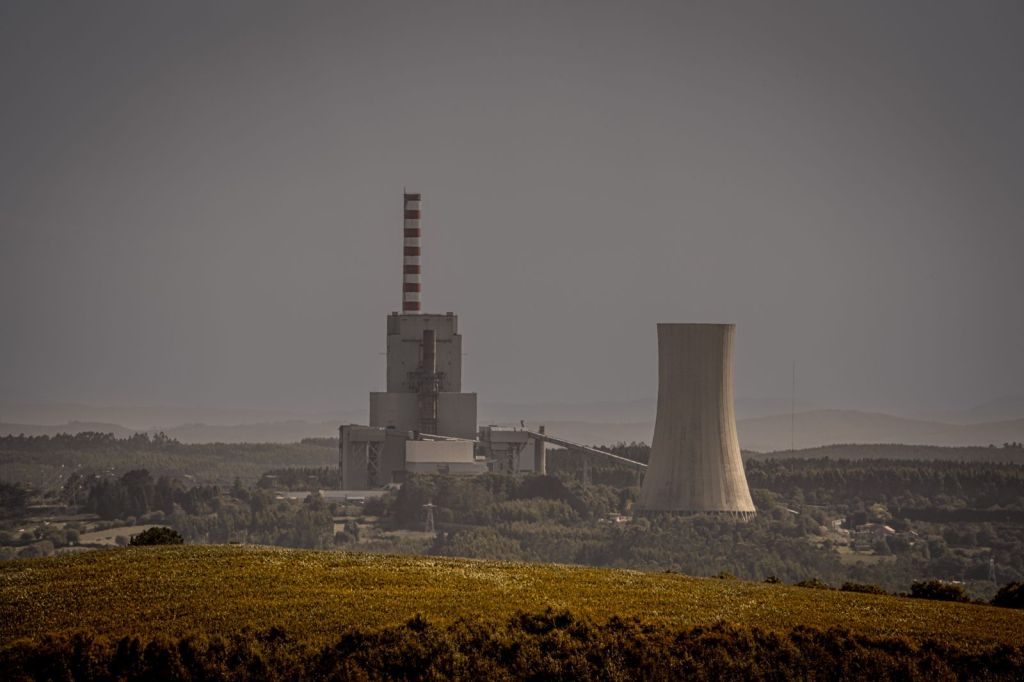
- LNG-to-power projects such as Nhon Trach 3 and 4, and the wider pipeline of import terminals covered in LNG terminals reshape thermal fleets.
- Pumped storage and batteries, led by the Bac Ai pumped-storage plant and early grid-scale battery pilots — see standalone battery tenders.
- Offshore wind, where the country has among the best resources in Asia and roadmap work is under way; see offshore wind roadmaps.
- The direct power purchase agreement (DPPA) mechanism, which lets large consumers buy renewable power directly and underpins the corporate PPA market.
How procurement, standards and financing work
EVN and its generation, transmission and distribution subsidiaries procure under Vietnam’s public procurement law, with international competitive bidding on projects financed by the World Bank, the Asian Development Bank, JICA, KfW and AFD. Technical specifications reference IEC standards and Vietnamese national standards (TCVN); type-test certificates from accredited laboratories, references and local service capability are scored. Private developers building solar, wind and gas under PPAs with EVN choose their own suppliers but must meet the national grid code, which is being tightened for inverter-based resources. Vietnam’s Just Energy Transition Partnership adds concessional finance for grid and renewables, with its own procurement conditions.
Risks and constraints
Tariff and mechanism uncertainty has been the sector’s recurring problem: the feed-in-tariff cliff of 2021, the transition to auctions and the negotiation of prices for transitional projects all delayed investment. EVN’s finances have been strained by high fuel and import costs and regulated retail tariffs, which affects payment terms and the pace of grid procurement. Transformer and grid-equipment lead times are a practical constraint on connection dates. Suppliers should also plan for local-content expectations, particularly in wind and grid equipment where domestic manufacturing is growing. Vietnam sits within our Southeast Asia overview alongside guides to Thailand, Indonesia, the Philippines, Malaysia and Cambodia and Laos.
Key facts at a glance
- Dominant utility: EVN (generation, transmission via EVNNPT, distribution via regional power corporations)
- Policy and regulation: Ministry of Industry and Trade; Electricity Regulatory Authority of Vietnam
- Planning document: Power Development Plan VIII (to 2030, vision 2050) and its implementation plans
- Growth areas: transmission, LNG-to-power, offshore wind, energy storage, localised manufacturing
- Watch: curtailment and grid-access rules, direct PPA mechanism, tariff reform
Sources and further reading
- Vietnam Electricity (EVN) — the state utility
- EVN National Power Transmission (EVNNPT) — transmission projects
- Ministry of Industry and Trade — policy and Power Development Plan 8
- Electricity Regulatory Authority of Vietnam — regulation and grid code
- IEA — Viet Nam — energy statistics
- World Bank — Vietnam — projects and analysis
- Asian Development Bank — Viet Nam — energy lending
- Global Wind Energy Council — offshore wind outlook
This article was researched and written by the EnergiTech Media editorial team and last reviewed in August 2026. We update country and sector guides as tenders, plans and regulations change. Spotted something out of date? Email support@energitechmedia.com.
EnergiTech Media covers Vietnam as part of its emerging-market energy infrastructure reporting. For weekly updates, subscribe to Emerging Energy Weekly.
 EnergiTech Media
Leave a comment