
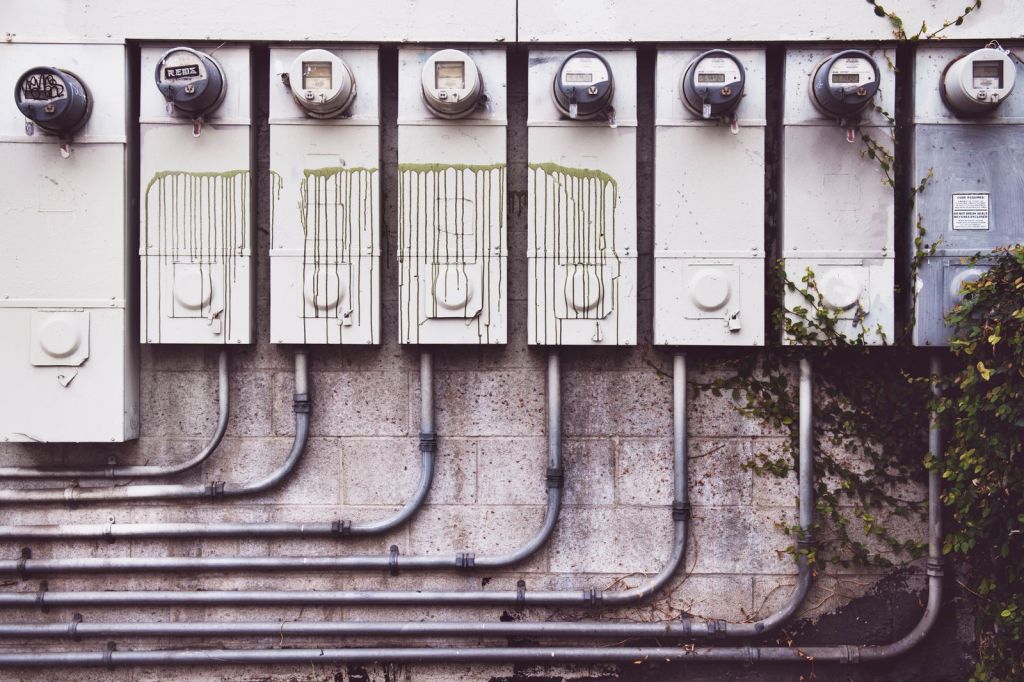
Electricity tariff reform is back on the agenda across emerging markets, as regulators and finance ministries confront utilities whose revenues no longer cover the cost of supply — a gap that stalls maintenance, deters investors and slows the infrastructure pipeline.
The direction is toward cost-reflective tariffs, differentiated by service level or customer band, combined with targeted subsidies for low-income users rather than blanket under-pricing.
Why it matters for infrastructure
Bankable tariffs underpin every power purchase agreement, transmission concession and equipment order; lenders increasingly make tariff paths a condition of finance. Reform is politically hard, which is why it comes in steps. Our Nigeria and Ethiopia guides note recent moves.
What suppliers should watch
Tariff decisions signal which utilities will have budgets for metering, network reinforcement and generation procurement — and which projects will need lender guarantees to proceed. Follow regulation in our news section.
Background: infrastructure needs a paying customer
Almost every piece of grid and generation equipment sold to a state utility is ultimately paid for by electricity tariffs — or by a government that steps in when tariffs do not cover costs. In many emerging markets they do not: tariffs are frozen for political reasons, subsidies arrive late, currency depreciation inflates the cost of imported fuel and equipment, and utilities accumulate arrears to generators and suppliers. That is why Nigeria, Ethiopia, Ghana, Kenya, Egypt, Pakistan and others have tariff reform on the agenda again, often as a condition of World Bank and IMF programmes, and why regulators are pairing tariff adjustments with loss-reduction and service targets.
Why it matters for infrastructure, in more detail
- Utility creditworthiness determines whether it can sign bankable PPAs and pay equipment suppliers on time.
- Investment plans for distribution and transmission depend on regulated returns.
- Private participation — from IPPs to wheeling and corporate PPAs — needs cost-reflective network charges.
- Tariff structure shapes demand for distributed solar, storage and efficiency.
What suppliers should watch
Tariff decisions are leading indicators. A move to cost-reflective or automatically indexed tariffs usually precedes a wave of utility procurement and improved payment behaviour; a freeze often precedes arrears. Suppliers to utilities should follow regulator decisions and IMF/World Bank programme conditions alongside tender calendars, watch for payment guarantees and escrow arrangements on development-bank projects, and price payment risk accordingly. Our news page and the procurement guidance in How to sell to utilities in emerging markets cover the mechanics.
Quick answers
What is a cost-reflective tariff?
An electricity price that covers the full cost of generation, transmission, distribution and a regulated return, without depending on government subsidy.
Why does tariff reform matter to equipment suppliers?
Because utilities that recover their costs can finance investment and pay suppliers on time; those that cannot accumulate arrears and delay projects.
Sources and further reading
- World Bank — Energy — utility reform programmes
- IMF — programme conditions and subsidy reform
- ESMAP — utility performance analysis
- EnergiTech Media — Loss-reduction programmes — related coverage
This article was researched and written by the EnergiTech Media editorial team and last reviewed in August 2026. We update country and sector guides as tenders, plans and regulations change. Spotted something out of date? Email support@energitechmedia.com.



 EnergiTech Media
Leave a comment