
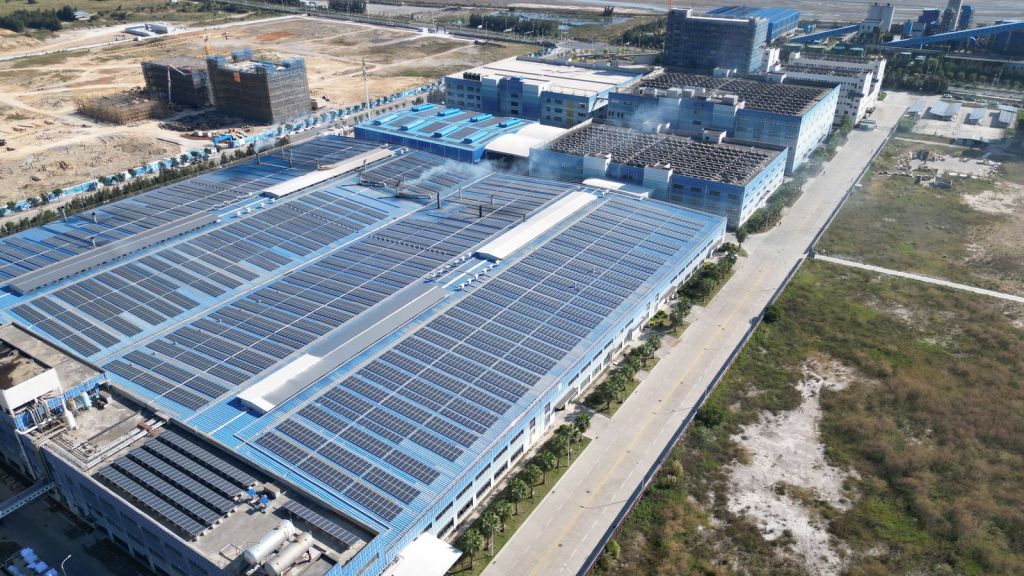
Corporate power purchase agreements are becoming a real alternative to utility offtake in emerging markets, as regulators introduce direct purchase mechanisms and utilities create corporate green-supply schemes to serve manufacturers, data centres and multinationals with renewable targets.
The result is a second demand channel for solar, wind and storage that is faster and often more creditworthy than waiting for the next utility tender.
How the mechanisms work
Physical arrangements wheel power over the grid for a fee; virtual or synthetic arrangements settle financially while power flows through the market; and utility-run schemes sell certified renewable supply to subscribing corporates. Each depends on rules for grid access, balancing and certificates. See our reporting on wheeling frameworks.
Who is buying
Export manufacturers under supply-chain decarbonisation pressure, technology and data-centre operators, mines and consumer-goods companies. Their procurement teams bring corporate-grade diligence to equipment and construction quality.
What it means for suppliers
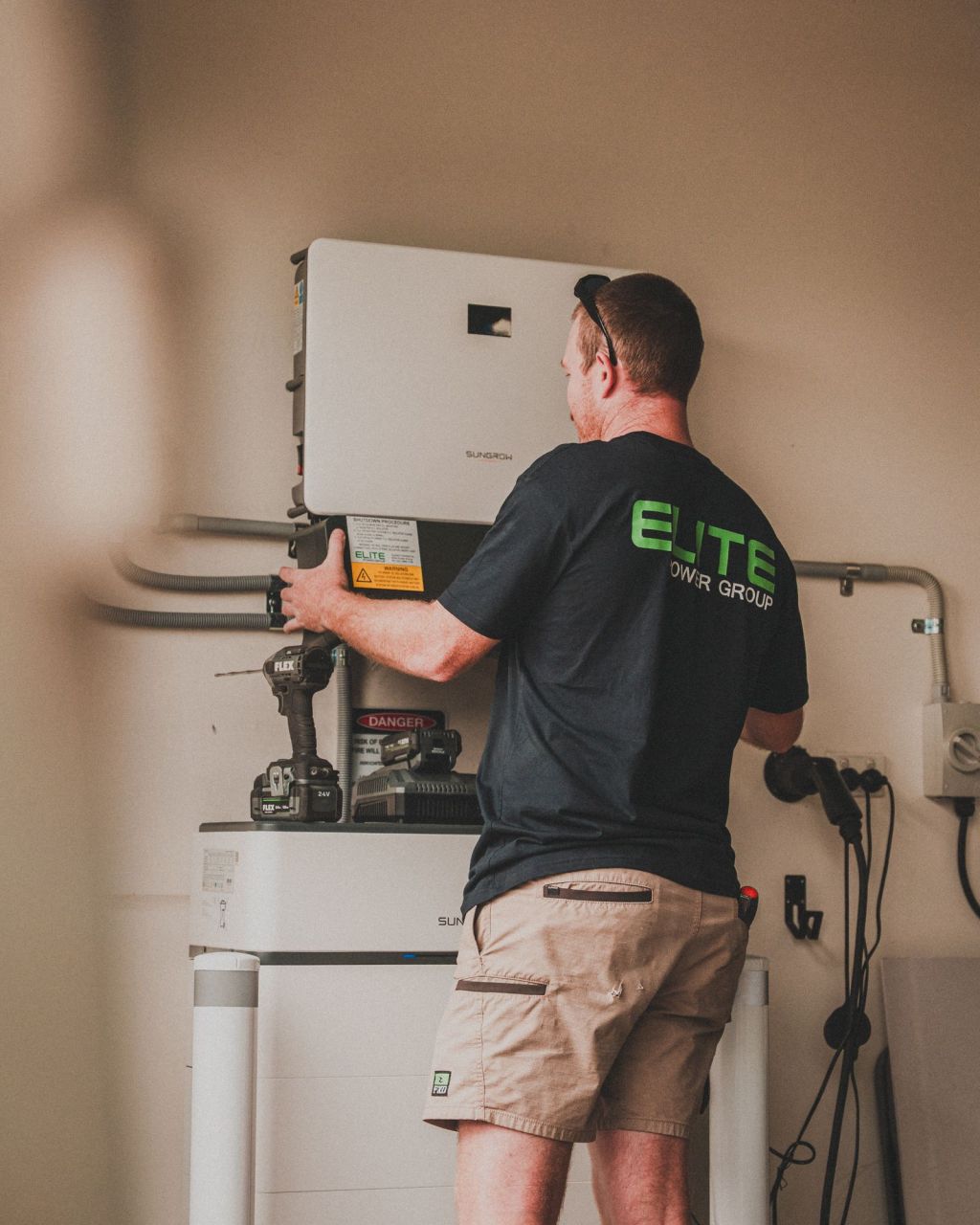
Projects are financed and built privately, usually through EPCs, on tighter timelines than utility programmes; grid-connection, metering and certification requirements are strict. Suppliers with bankable warranties and local service capability are well placed.
Background: how corporate demand became a market
Corporate power purchase agreements began in the United States and Europe as a way for large technology and manufacturing companies to buy renewable electricity directly from developers. In emerging markets, the driver is as often cost and reliability as sustainability: mines, cement plants, textile exporters and data centres want power that is cheaper and more predictable than the utility tariff, and exporters face growing pressure from customers and carbon-border rules to show low-carbon supply. IRENA’s corporate sourcing work and the RE100 initiative both document how quickly demand has spread beyond the OECD.
Two enabling changes made it possible. Wheeling frameworks allow generators to deliver power across the utility’s wires, and direct-PPA pilots — Vietnam’s mechanism is the most cited — created a legal template for physical and virtual contracts.
Who is buying, and how
- Mining and heavy industry in South Africa, Zambia and Ghana, often through multi-site aggregated PPAs.
- Manufacturing exporters in Vietnam, Thailand and Malaysia, responding to supply-chain decarbonisation targets.
- Data centres and telecoms, which need firm supply and are pairing solar and wind with behind-the-meter batteries.
- Commercial property and retail, mostly through rooftop leases and distributed commercial solar.
What it means for suppliers to utilities and OEMs
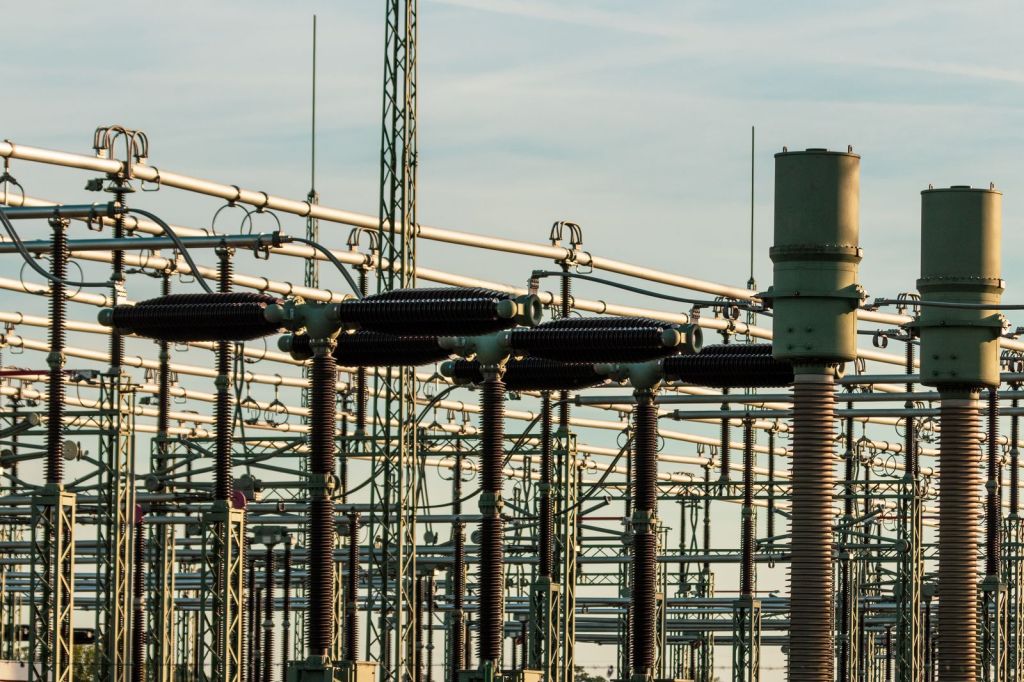
Corporate PPAs create a private procurement channel that runs on commercial timelines rather than tender cycles. Developers building for corporate off-takers buy the same modules, inverters, wind turbines, transformers and switchgear, but they choose suppliers on bankability, delivery and service rather than lowest tender price, and they increasingly need storage and grid-services capability to firm supply. On the utility side, corporate PPAs drive metering, settlement and grid-connection work. Follow the deals on our renewables sector page.
Quick answers
What is a corporate PPA?
A long-term contract in which a company buys electricity directly from a generator, either physically via the grid or financially through a contract for difference.
Why do corporate PPAs matter for suppliers?
They create a second, private route to market for renewable equipment and services alongside state utility tenders.
Sources and further reading
- IRENA — Corporate sourcing of renewables — market analysis
- RE100 — corporate renewable commitments
- World Bank — Energy — market reform context
- EnergiTech Media — Wheeling frameworks unlock private power sales — enabling regulation
This article was researched and written by the EnergiTech Media editorial team and last reviewed in August 2026. We update country and sector guides as tenders, plans and regulations change. Spotted something out of date? Email support@energitechmedia.com.
Follow the market in our renewables section and Emerging Energy Weekly.

 EnergiTech Media
Leave a comment