
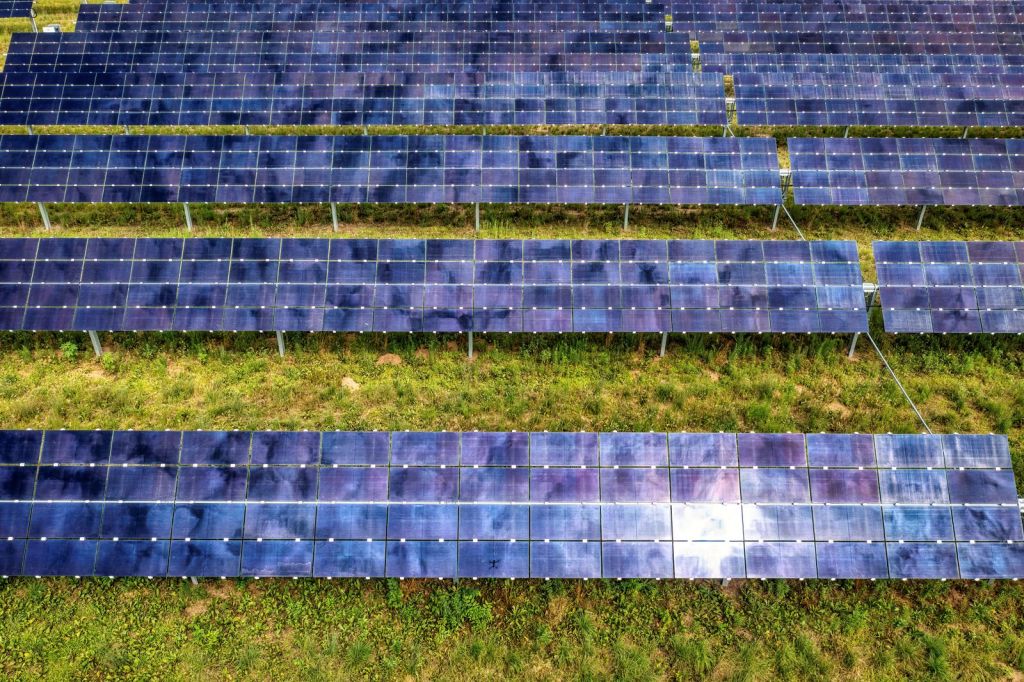
Morocco imports almost all of its fossil fuels, which is why it built one of the developing world’s most ambitious renewables programmes and now looks to export clean power and hydrogen. It is a case study in using state institutions to attract private capital into infrastructure.
Who runs Morocco’s power system?
The National Office of Electricity and Drinking Water (ONEE) operates transmission, most distribution and part of generation, and is the buyer for independent producers. The Moroccan Agency for Sustainable Energy (MASEN) develops and tenders large renewable projects. The National Electricity Regulatory Authority oversees the sector, and private concessions handle distribution in some cities. Suppliers therefore deal with ONEE for grid equipment and with MASEN-led project companies and their EPCs for renewables.
What did the Noor and wind programmes deliver?
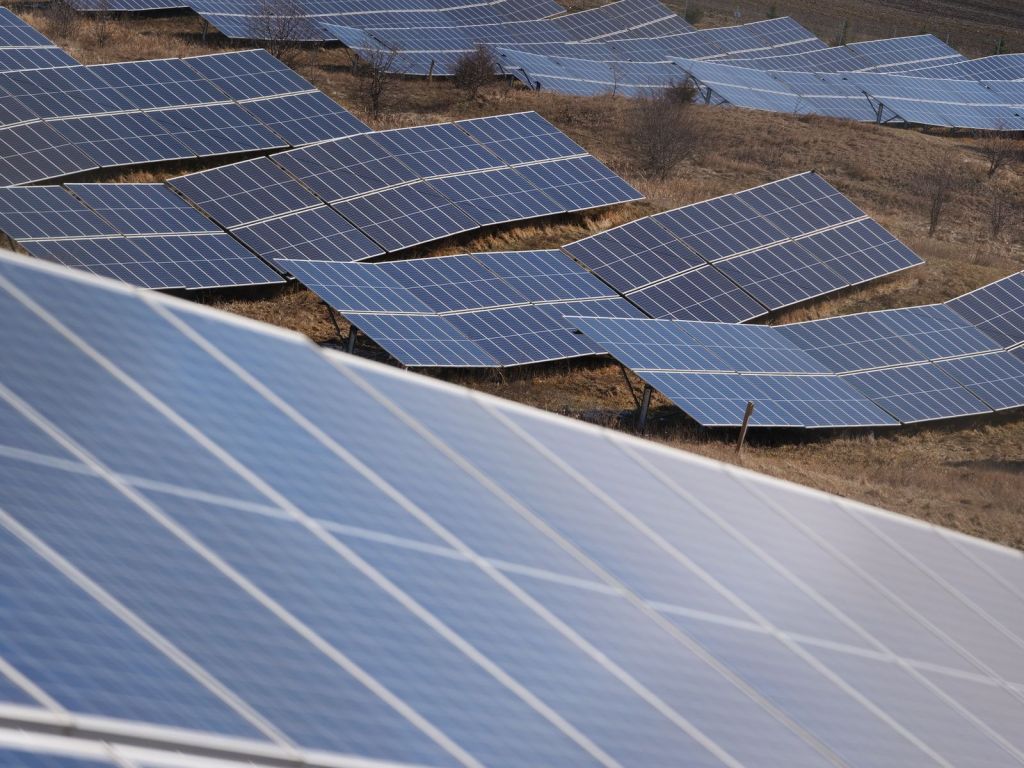
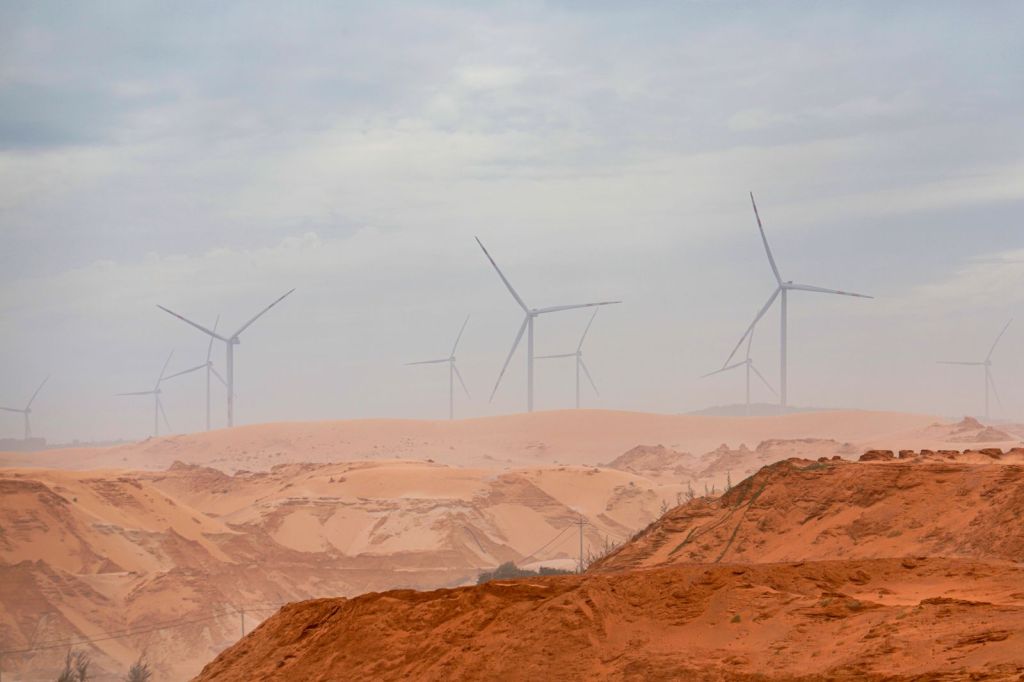
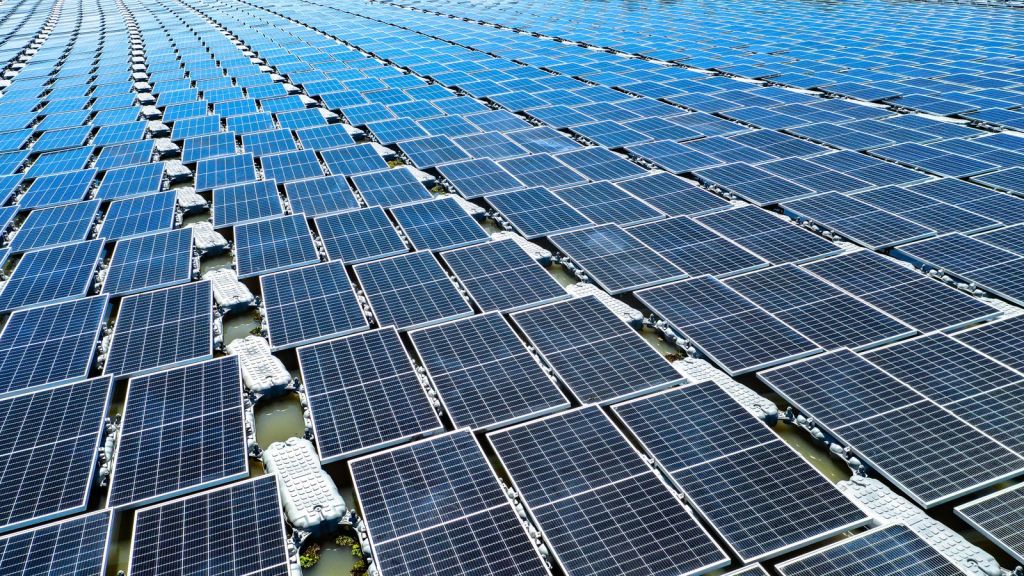
The Noor Ouarzazate complex combined concentrated solar power with storage and photovoltaics at a scale few countries have matched, and successive Noor programmes added PV and hybrid plants elsewhere. Wind farms along the Atlantic coast, procured through competitive tenders and long-term contracts, are among Africa’s largest. The stated target of a majority-renewable capacity mix by 2030 has driven a continuous pipeline. Follow our renewables coverage.
Where is the grid heading?
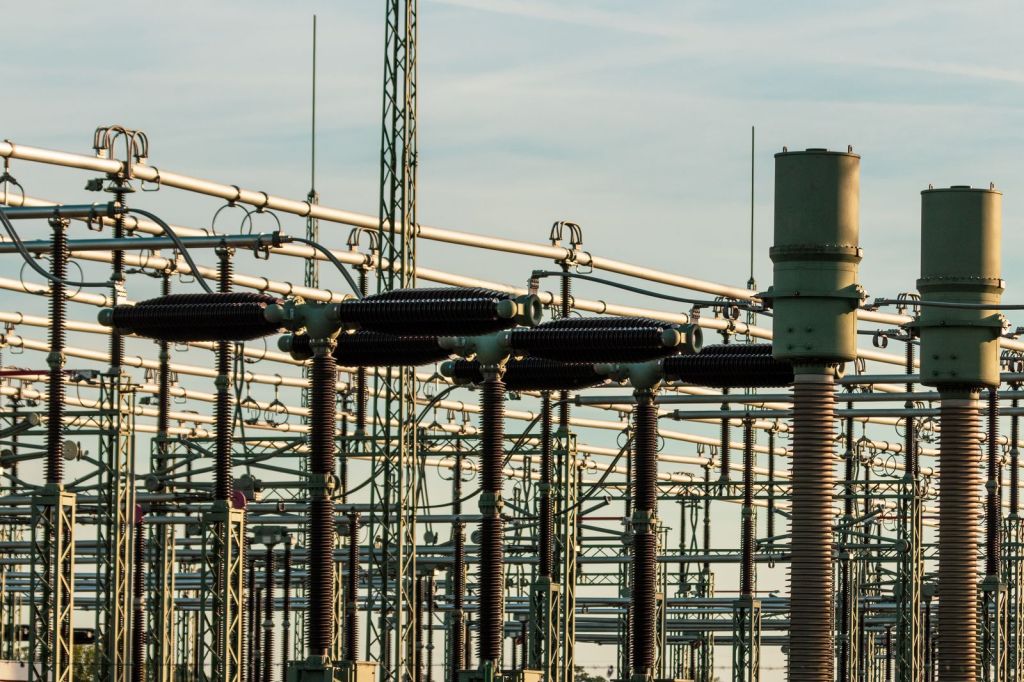
ONEE is reinforcing the high-voltage grid to move renewable power from the south to demand centres in the north, adding substations and control capability, and expanding interconnection with Spain and, potentially, further into Europe and West Africa. Pumped storage and batteries provide flexibility. See our grid section.
Why is hydrogen part of the infrastructure story?
With cheap solar and wind and proximity to European markets, Morocco is developing green hydrogen and ammonia zones for export, alongside industrial decarbonisation. These projects bring their own electrolyser, desalination, port and grid infrastructure needs.
What should suppliers know?
MASEN tenders are competitive, well documented and attractive to international developers, with local content encouraged; ONEE procurement is formal and often financed by the African Development Bank, the World Bank and European lenders. Morocco has a growing industrial base — including cable and renewable component manufacturing — that offers routes for component suppliers to local OEMs.
Key projects and programmes to watch
- The Noor programme and successor solar and wind rounds run by MASEN, including hybrid solar-storage projects and the large wind pipeline in the south — see storage co-location.
- Grid reinforcement by ONEE, including 400 kV lines linking the southern renewable zones to northern load centres and pumped-storage capacity — see transformer lead times.
- Interconnection with Europe, including the existing Spain links and proposed Morocco–UK and Morocco–Portugal projects — see interconnector projects accelerate.
- Green hydrogen and ammonia, under the national ‘Morocco Offer’, which allocates land and requires dedicated renewable capacity.
- Self-generation and private supply, expanded under recent legislation and enabling corporate PPAs and wheeling at medium and high voltage.
- Distribution reform, with regional multi-service companies taking over distribution and creating new buyers for meters, transformers and network equipment.
How procurement, standards and financing work
MASEN procures large renewable projects through structured international tenders and public-private partnerships, backed by lenders including the World Bank, African Development Bank, EIB, KfW and AFD; local-industrial-integration commitments are scored, following the model discussed in local content rules tighten. ONEE procures grid and generation equipment through public tenders under Moroccan procurement law with IEC-based specifications and Moroccan standards (NM). The National Electricity Regulatory Authority oversees third-party access and tariffs. Morocco’s stable credit profile allows commercial and export-credit finance alongside development banks.
Risks and constraints
Transmission from the south, where the best resources are, remains the practical constraint, and the wholesale-market opening is gradual. Some early concentrated-solar-power assets have had operational challenges, shifting the emphasis to PV, wind and storage. Water stress affects both cooling and hydrogen plans. Morocco nonetheless offers one of the most stable, well-run and export-oriented markets in the region for suppliers to utilities and OEMs, with established local industrial partners. Read alongside our Africa energy infrastructure overview and the Egypt guide.
Key facts at a glance
- Structure: ONEE (transmission, distribution, offtake); MASEN (renewables development); national regulator; private distribution concessions in some cities
- Programmes: Noor solar (CSP and PV), Atlantic wind, majority-renewable capacity target
- Grid: north–south reinforcement, interconnection with Spain, storage
- Next: green hydrogen and ammonia for export
Sources and further reading
- MASEN — renewable energy agency
- ONEE — national utility
- ANRE — electricity regulator
- World Bank — Morocco — projects and analysis
- African Development Bank — Morocco — energy lending
- IEA — Morocco — energy statistics
This article was researched and written by the EnergiTech Media editorial team and last reviewed in August 2026. We update country and sector guides as tenders, plans and regulations change. Spotted something out of date? Email support@energitechmedia.com.
Subscribe to Emerging Energy Weekly for the weekly briefing.
 EnergiTech Media
Leave a comment