
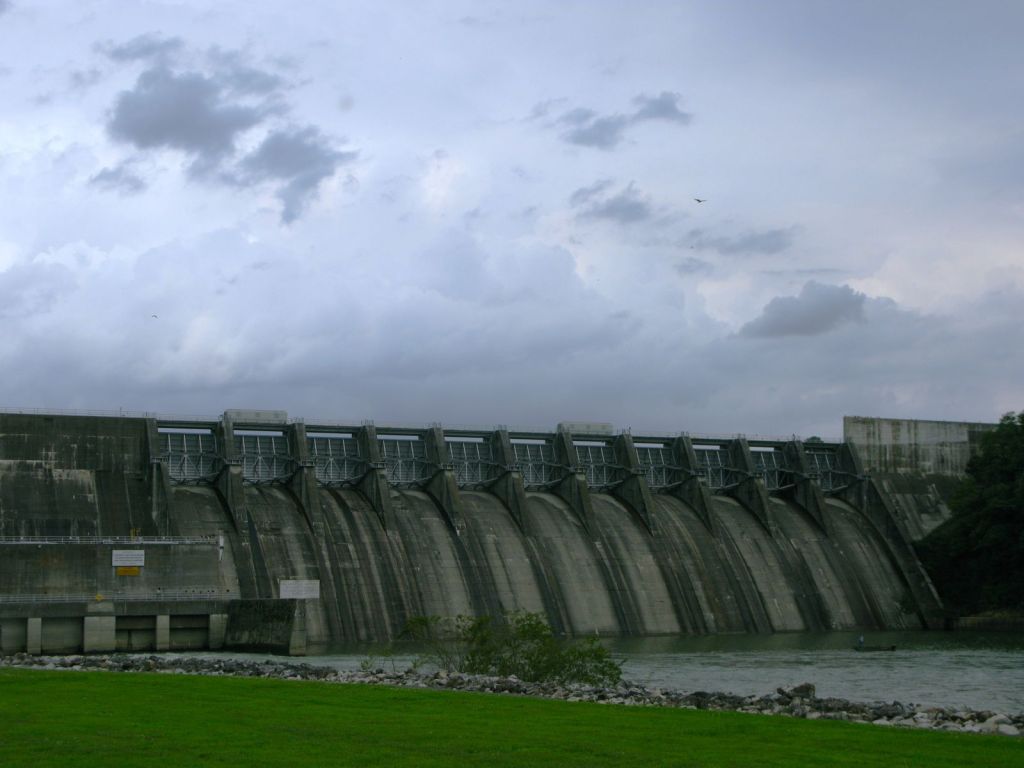
Ethiopia is building one of the largest hydro fleets on the continent and positioning itself as an exporter of power to its neighbours. Low tariffs, a young grid and a huge access gap make it a market of both scale and constraint.
Who runs Ethiopia’s power system?
Ethiopian Electric Power (EEP) owns and operates generation and transmission; the Ethiopian Electric Utility (EEU) handles distribution and retail. The Ethiopian Energy Authority regulates, and the Ministry of Water and Energy sets policy. Both utilities are state-owned, and most projects are financed by the state, development lenders or bilateral partners.
Why is hydro so central?
The Grand Ethiopian Renaissance Dam on the Blue Nile, one of Africa’s largest hydro projects, joins an existing fleet of large hydro plants to give Ethiopia an overwhelmingly renewable — and seasonally variable — generation base. Wind and geothermal are being added for diversity, and solar programmes target both grid and off-grid supply. See our power generation and renewables sections.
Why do exports and interconnectors matter?
Ethiopia exports power to Sudan and Djibouti and, via a high-voltage direct-current line, to Kenya — the backbone of the Eastern Africa Power Pool. Further links are planned. Export revenue helps fund a system whose domestic tariffs have historically been among the lowest anywhere. Read our grid coverage.
What are the challenges?
A large share of the population remains unconnected, so the national electrification programme combines grid extension with off-grid solar and mini-grids; the grid itself needs transmission, substation and distribution investment to improve reliability and reduce losses; and foreign-currency constraints affect procurement and payments.
What should suppliers know?
EEP and EEU tender large, formal projects typically financed by the World Bank, the African Development Bank and bilateral lenders, with strong Chinese and European incumbents; the off-grid solar market operates through private distributors and results-based financing. Local presence, patience with procurement cycles and hard-currency payment structures are the practical requirements.
Key projects and programmes to watch
- The Grand Ethiopian Renaissance Dam and the transmission needed to evacuate its output to domestic load centres and export links — see hydro drought risk for the diversification debate.
- Interconnectors to Kenya (HVDC), Djibouti, Sudan and, via Kenya, Tanzania — see interconnector projects accelerate and cross-border transmission financing.
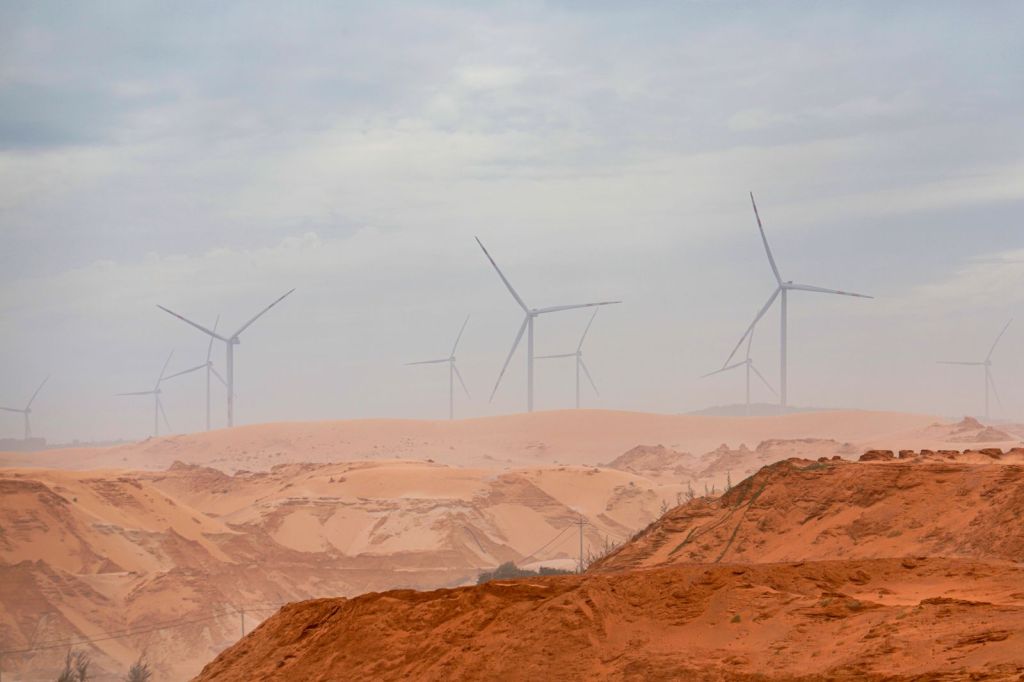
- Wind and geothermal diversification, including wind farms in the Rift and Somali regions and geothermal at Corbetti, Tulu Moye and Aluto — see geothermal draws renewed attention.
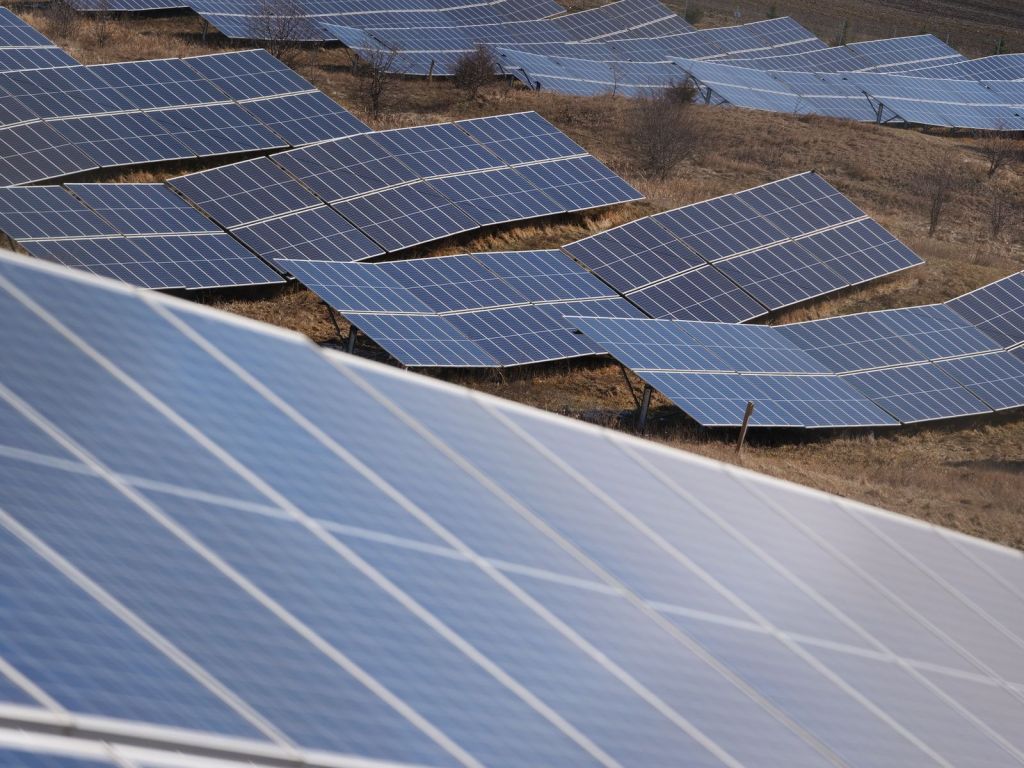
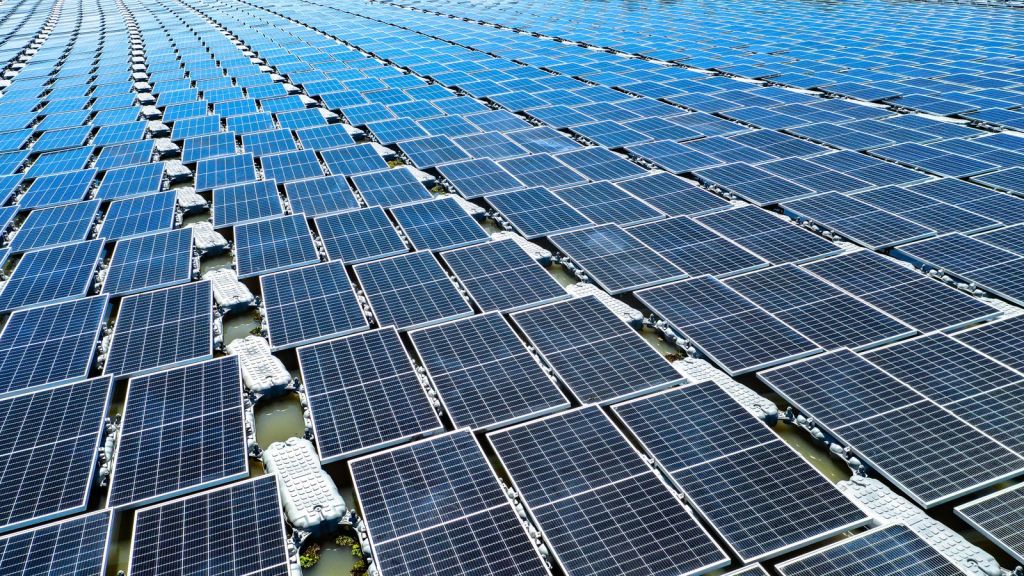
- Solar under competitive procurement, following the Scaling Solar rounds, and off-grid electrification under the National Electrification Program.
- Distribution reinforcement and metering at Ethiopian Electric Utility, including prepaid metering and loss reduction — see loss-reduction programmes.
- Tariff reform, with multi-year adjustments toward cost recovery — see tariff reform returns to the agenda.
How procurement, standards and financing work
Ethiopian Electric Power (generation and transmission) and Ethiopian Electric Utility (distribution) are state enterprises procuring under federal procurement rules, with the World Bank, African Development Bank, and Chinese, European and Gulf lenders financing most large projects; Chinese contractors have built much of the recent transmission and generation. IPPs are a newer feature, introduced through public-private partnership law and the Scaling Solar programme with IFC support. Standards follow IEC and Ethiopian Standards Agency requirements. The Petroleum and Energy Authority regulates.
Risks and constraints
Foreign-exchange scarcity, payment delays and security conditions in some regions have slowed projects, and PPA negotiations for early IPPs took years. Grid reliability and distribution losses remain challenges despite abundant, cheap generation. But Ethiopia’s low-cost hydro, export ambitions and large electrification agenda create sustained demand for transmission, distribution and metering equipment. Read alongside our Africa energy infrastructure overview and the Kenya guide.
Key facts at a glance
- Structure: EEP (generation, transmission); EEU (distribution); Ethiopian Energy Authority regulator
- Mix: hydro-dominated, GERD; wind, geothermal and solar being added
- Exports: Sudan, Djibouti, Kenya via HVDC; Eastern Africa Power Pool
- Challenges: access, reliability, losses, foreign currency
Sources and further reading
- Ethiopian Electric Power — generation and transmission
- Ethiopian Electric Utility — distribution
- World Bank — Ethiopia — projects and analysis
- African Development Bank — Ethiopia — energy lending
- Eastern Africa Power Pool — regional trade
- IEA — Ethiopia — energy statistics
This article was researched and written by the EnergiTech Media editorial team and last reviewed in August 2026. We update country and sector guides as tenders, plans and regulations change. Spotted something out of date? Email support@energitechmedia.com.
Subscribe to Emerging Energy Weekly for the Thursday briefing on East Africa and other emerging energy markets.
 EnergiTech Media
Leave a comment