
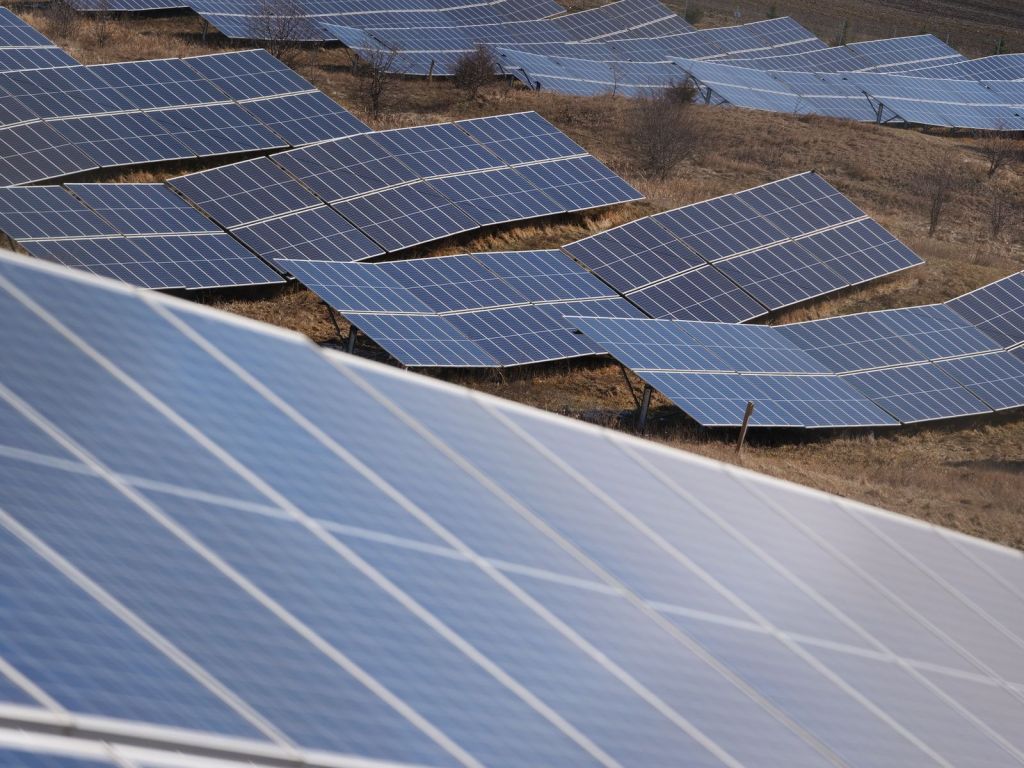
Egypt is North Africa’s largest power system and one of the region’s clearest examples of a fast infrastructure turnaround: from rolling blackouts a decade ago to surplus capacity, a giant solar park and some of the world’s best wind sites, now pivoting toward exports, interconnection and green hydrogen.
Who runs Egypt’s power system?
The Egyptian Electricity Holding Company (EEHC) oversees state generation, transmission and distribution companies; the Egyptian Electricity Transmission Company (EETC) operates the grid and is the single buyer for independent producers. The Electric Utility and Consumer Protection Regulatory Agency regulates, and the Ministry of Electricity and Renewable Energy sets policy, with the New and Renewable Energy Authority developing renewables sites and programmes.
How was the supply crisis solved?
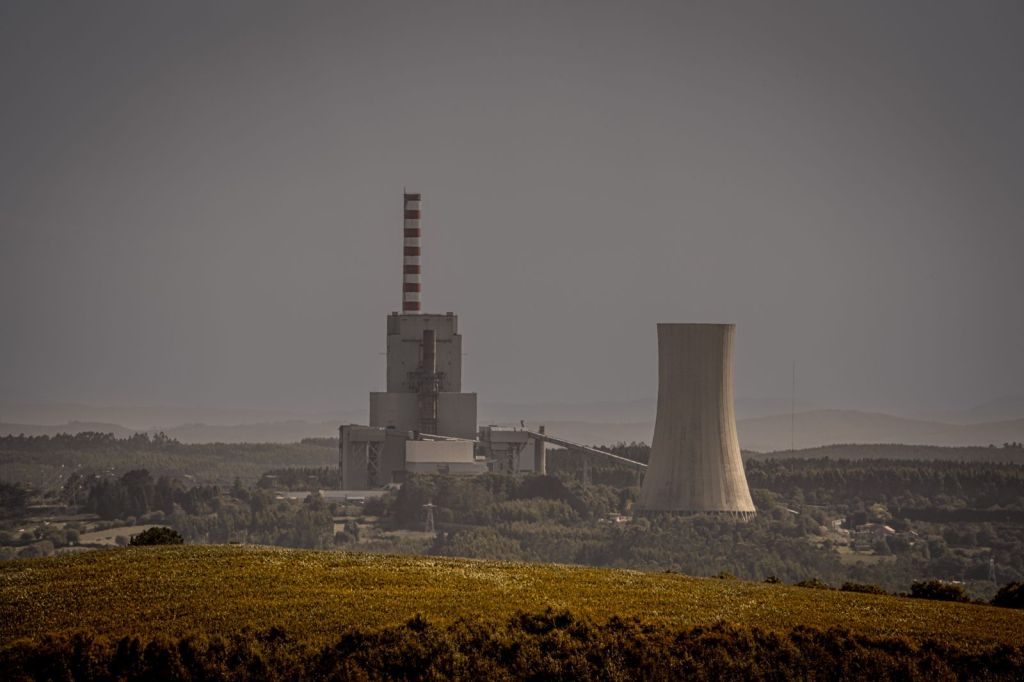
A rapid build-out of large combined-cycle gas plants added many gigawatts within a few years, alongside grid reinforcement and tariff reform. Domestic gas discoveries underpinned the fleet. The result is comfortable reserve margins on the national grid — and a shift in focus toward efficiency, exports and renewables. Our power generation section covers the fleet.
How were Benban and the wind zones procured?
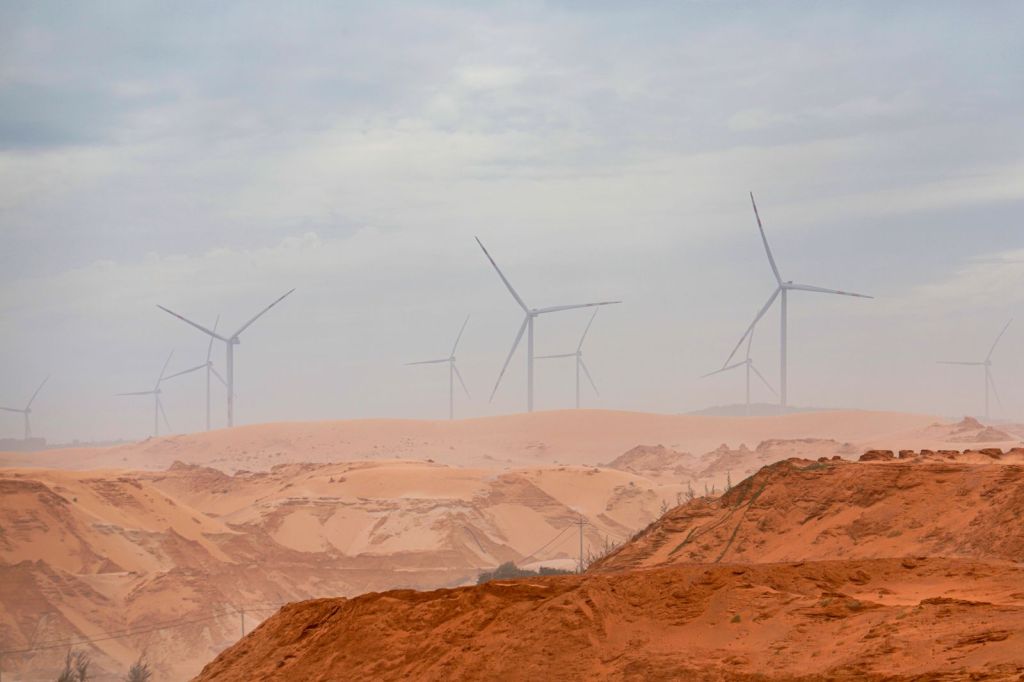
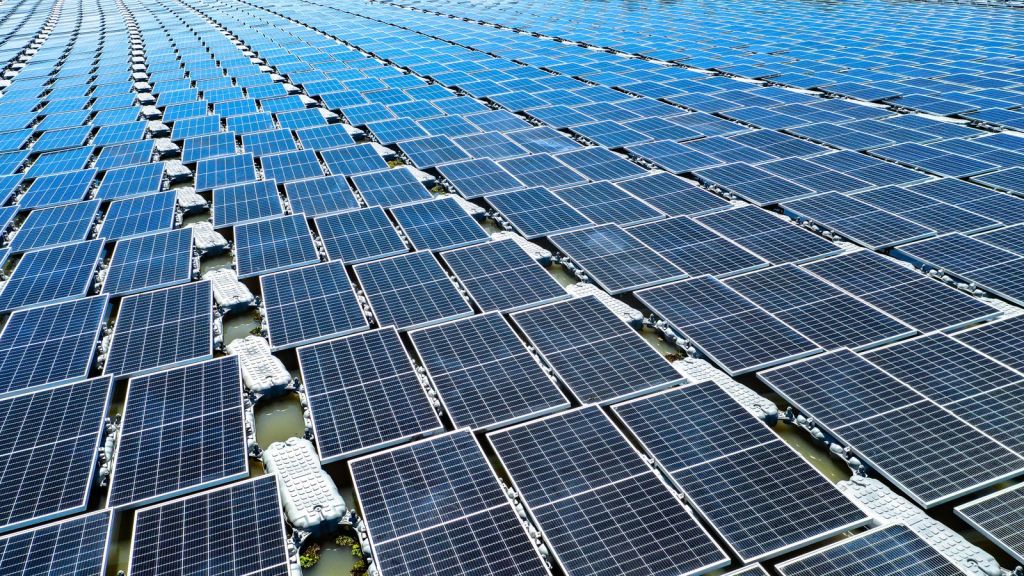
The Benban solar park near Aswan, developed under a feed-in tariff programme and financed by a consortium of development lenders, is one of the largest solar complexes in the world, with dozens of developers building on shared infrastructure. Wind zones along the Gulf of Suez have been developed through competitive tenders and build-own-operate contracts, and larger wind projects are under way. Read our renewables coverage.
Why do interconnection and hydrogen come next?
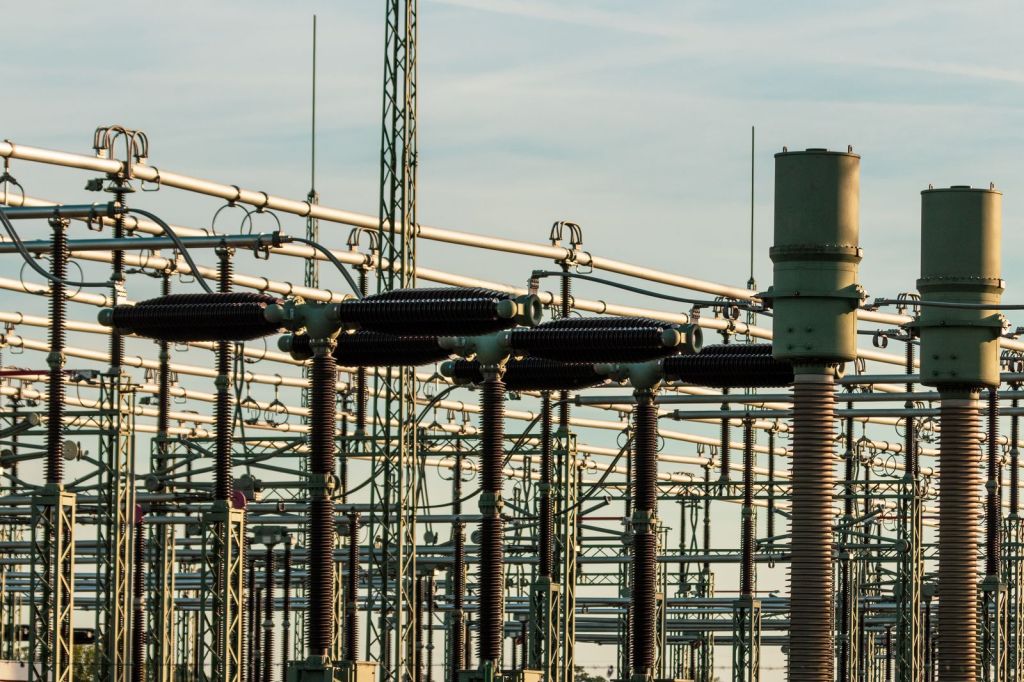
With surplus capacity and strong renewable resources, Egypt is investing in high-voltage interconnectors — including a major link with Saudi Arabia — and positioning itself as an exporter of power and green hydrogen and ammonia to Europe and beyond. Transmission upgrades, substations and grid control are the enabling work. See our grid section.
What should suppliers know?
State procurement is large-scale, formal and often financed by development lenders and export-credit agencies, with strong incumbents among European, Chinese and Gulf suppliers; local manufacturing of cables, transformers and towers is significant. Independent producers procure through international EPCs. Context: IEA Egypt.
Key projects and programmes to watch
- Utility-scale solar and wind procurement by the New and Renewable Energy Authority and the Egyptian Electricity Transmission Company, including large solar-plus-storage projects and Gulf of Suez and West Nile wind zones — see storage co-location and wind repowering for the older Zafarana fleet.
- Interconnectors, notably the Egypt–Saudi Arabia HVDC link and studies for links to Greece and Europe, which position Egypt as a regional hub — see interconnector projects accelerate.
- Grid modernisation, including transmission reinforcement, smart meters and control-centre upgrades to absorb renewables — see grid operators add sensing.
- Green hydrogen and ammonia projects around the Suez Canal Economic Zone, which need dedicated renewable capacity and grid connections.
- Gas fleet optimisation, where the large combined-cycle fleet is being run more flexibly as renewables grow — see gas peakers get a second look.
- Private-to-private power sales under the electricity law, allowing developers to sell to industrial customers — see wheeling frameworks.
How procurement, standards and financing work
The Egyptian Electricity Holding Company and its generation, transmission and distribution subsidiaries procure through public tenders, with development-bank and export-credit finance common — the European Bank for Reconstruction and Development, World Bank, African Development Bank, EIB, KfW and Japanese and Chinese lenders are all active. Standards follow IEC with Egyptian Organisation for Standardisation requirements. Renewables are procured through auctions and negotiated build-own-operate contracts, and developers select suppliers within EETC grid-code and local-content expectations. The Egyptian Electric Utility and Consumer Protection Regulatory Agency regulates.
Risks and constraints
Foreign-exchange availability and currency depreciation have complicated payments and project finance in recent years, and gas supply constraints have exposed the system to summer shortfalls. Utility tariff subsidies are being reduced under IMF-linked reform — see tariff reform returns to the agenda. Even so, Egypt has one of the region’s largest and most experienced pipelines, strong solar and wind resources and a clear strategy to become an export hub. Read alongside our Africa energy infrastructure overview and the Morocco guide.
Key facts at a glance
- Structure: EEHC holding; EETC single buyer and grid operator; state distribution companies; IPPs in renewables
- Turnaround: rapid gas-fired build-out; surplus capacity; tariff reform
- Renewables: Benban solar park; Gulf of Suez wind zones; competitive tenders
- Next: interconnectors, grid upgrades, green hydrogen and exports
Sources and further reading
- Egyptian Electricity Holding Company — the state utility
- Egyptian Electricity Transmission Company — transmission and single buyer
- New and Renewable Energy Authority — renewables procurement
- EgyptERA — regulation
- IEA — Egypt — energy statistics
- EBRD — Egypt — project finance and green economy programmes
This article was researched and written by the EnergiTech Media editorial team and last reviewed in August 2026. We update country and sector guides as tenders, plans and regulations change. Spotted something out of date? Email support@energitechmedia.com.
For weekly North Africa and emerging-market coverage, subscribe to Emerging Energy Weekly.
 EnergiTech Media
Leave a comment