
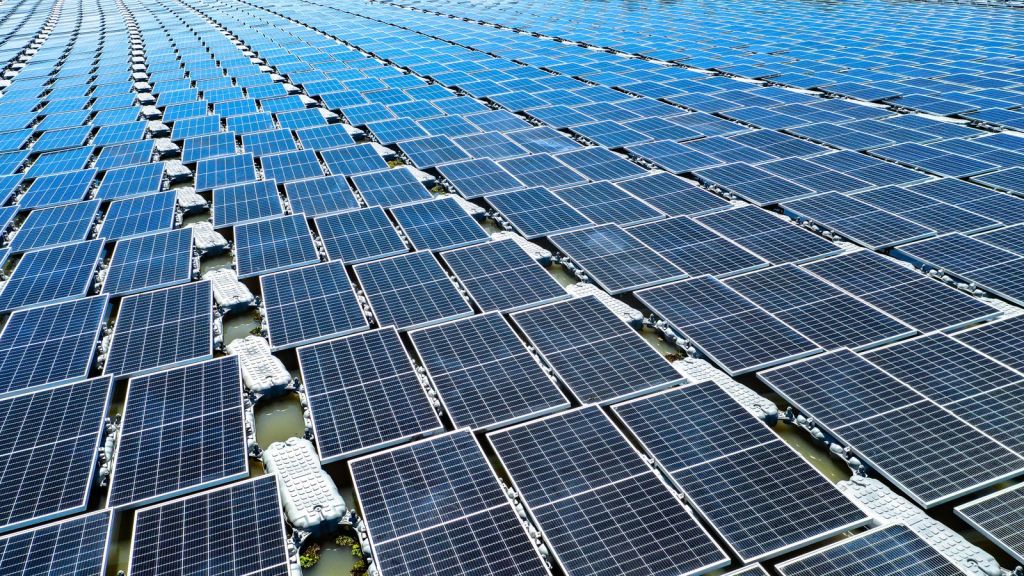
Thailand has one of the most mature power systems in Southeast Asia and, unusually for the region, a long history of private power producers selling into a state grid. It is now moving from a gas-heavy fleet toward large-scale solar, storage and imported hydro — a shift that is reshaping what utilities and developers buy.
How is Thailand’s power sector structured?
The Electricity Generating Authority of Thailand (EGAT) owns the transmission system and a large share of generation, and buys power from independent power producers, small power producers (SPPs) and very small power producers (VSPPs). Two state distributors — the Metropolitan Electricity Authority for Bangkok and the Provincial Electricity Authority for the rest of the country — sell to end users. The Energy Regulatory Commission licenses and regulates, and the Energy Policy and Planning Office under the Ministry of Energy sets policy. This enhanced single-buyer model means most large equipment is bought either by EGAT and the two distributors, or by private producers building under long-term power purchase agreements.
What is in the power development plan?
Thailand plans through periodic Power Development Plans that set the generation mix, reserve margins and grid investment. Recent planning has raised the share of renewables sharply, kept gas as the flexible backbone, expanded imports of hydro power from Laos, and introduced energy storage as a planned resource rather than an afterthought. Carbon-neutrality commitments for mid-century underpin the direction. Suppliers should read the plan alongside the regulator’s procurement announcements, since capacity is released to the market in rounds.
Where are the renewables and storage opportunities?
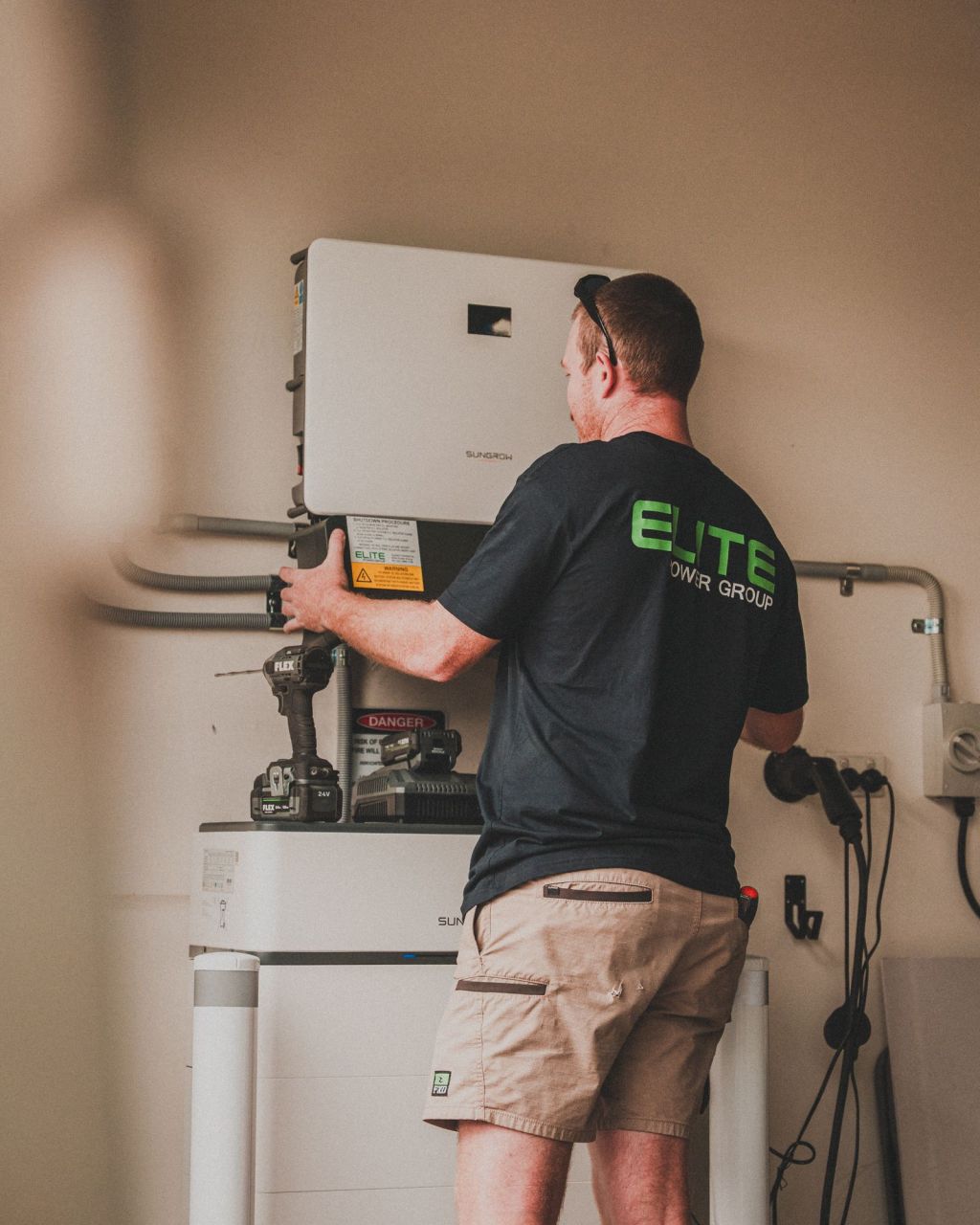
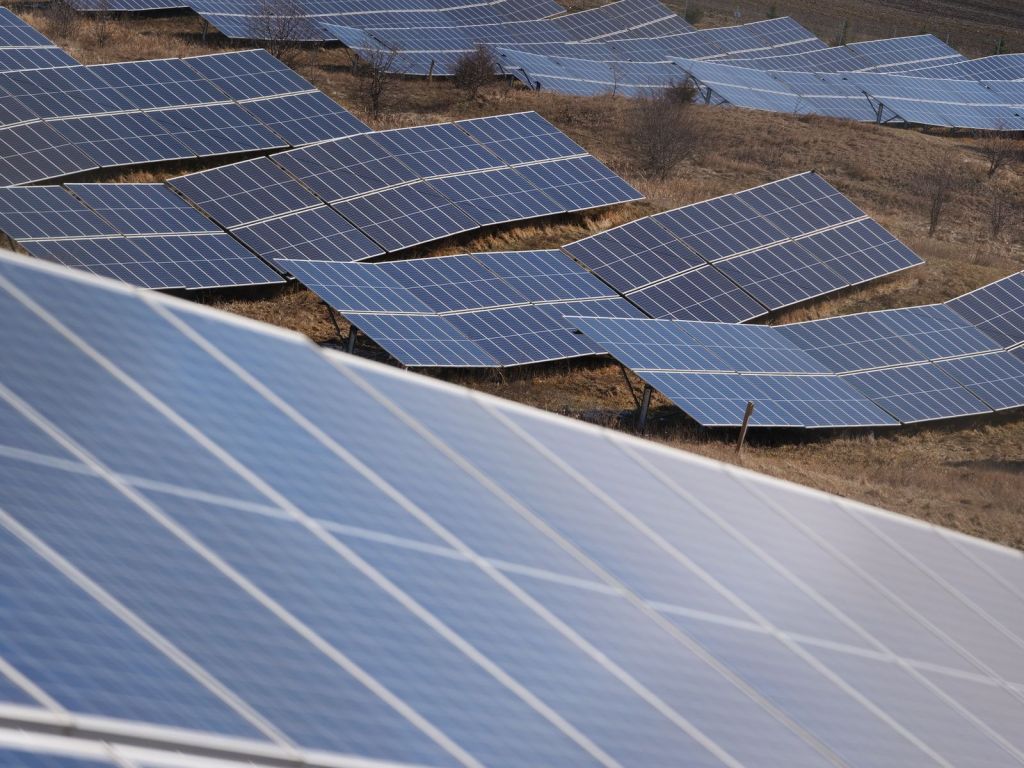
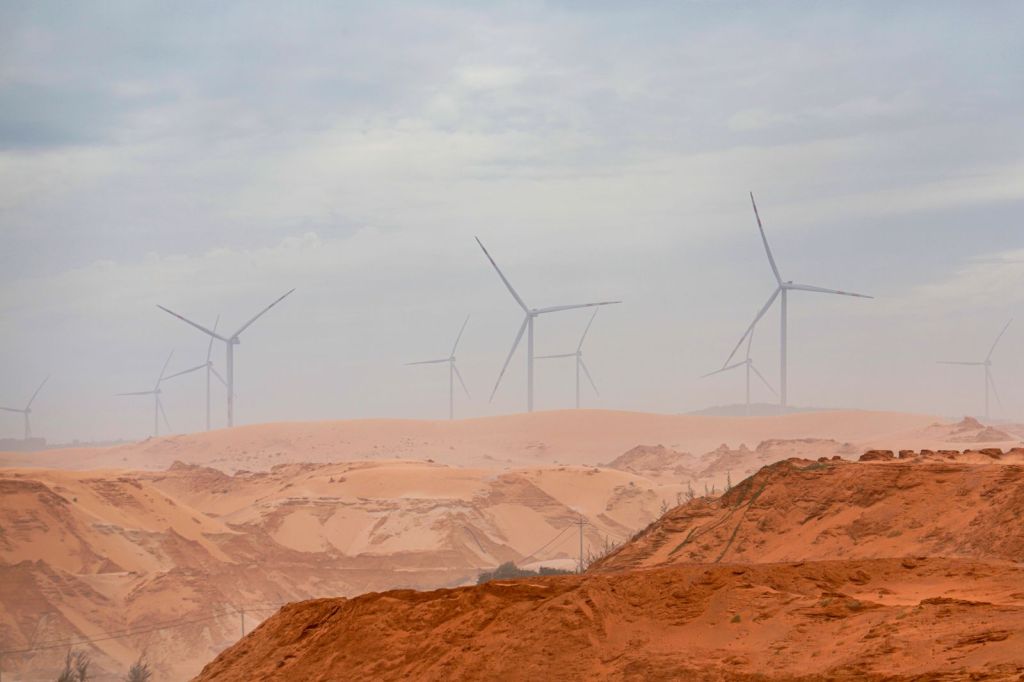
Thailand has run some of the region’s largest procurement rounds for utility-scale solar, solar-plus-storage and wind under feed-in tariff schemes, with awards spread across many mid-sized projects rather than a few giants. Floating solar on hydro reservoirs, pioneered at EGAT dams, is a distinctive Thai contribution to the renewables story. Storage appears both as co-located batteries in solar tenders and as grid assets on EGAT’s system. For equipment suppliers this means a steady flow of medium-sized orders for modules, inverters, batteries and balance-of-plant, and a premium on local service capability.
What about the grid?
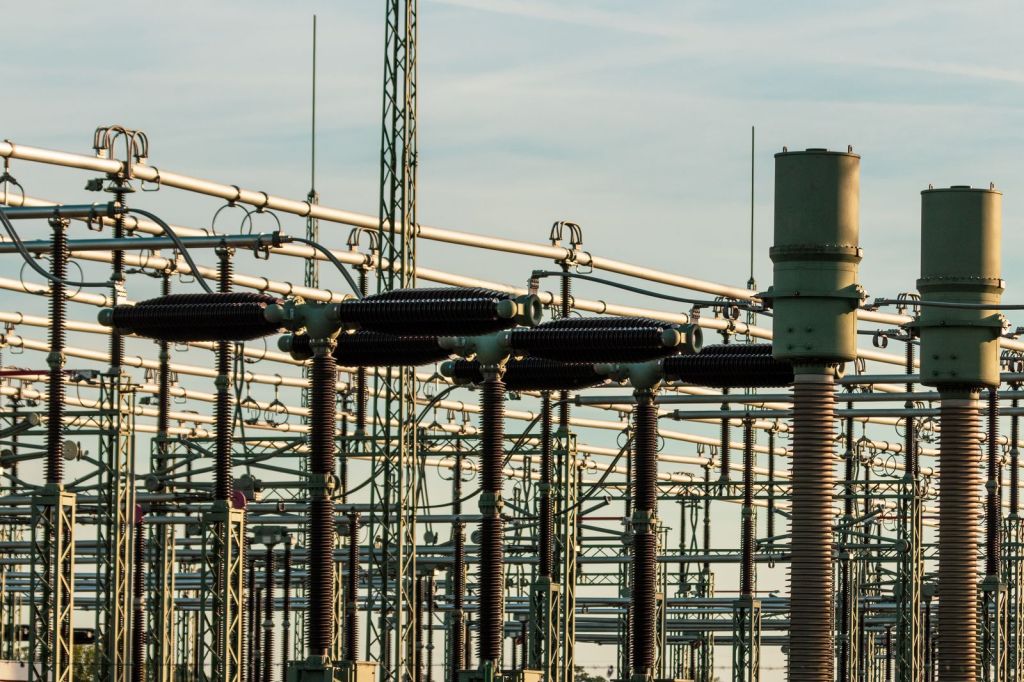
The transmission system is comparatively strong, but the shift to variable generation and the growth of rooftop solar and electric vehicles are pushing investment into substations, grid automation and distribution reinforcement. Cross-border links to Laos and the wider ASEAN Power Grid ambition add interconnection work. See our grid and transmission section for developments.
What should suppliers know before selling in?
Procurement by EGAT and the distributors is formal and standards-driven, with detailed technical specifications and a preference for established references. Private producers move faster but are price-sensitive and often work through Thai engineering, procurement and construction contractors. Local partnerships, after-sales support in-country and familiarity with Thai grid codes are the recurring differentiators. Independent context is available from the IEA and the Asian Development Bank.
Key projects and programmes to watch
- The revised Power Development Plan (PDP2024), which raises the renewable share, adds storage and hydro imports, and reshapes what EGAT will procure through the 2030s.
- Hydro-floating solar hybrids, following the Sirindhorn dam project, across EGAT’s reservoir portfolio — see floating solar moves to programme scale.
- Grid modernisation and storage at EGAT and the two distributors, including battery pilots and control-centre upgrades — background in grid operators add sensing.
- Regional imports and the Laos–Thailand–Malaysia–Singapore power integration project, the first multilateral trade in ASEAN, covered in interconnector projects accelerate.
- Renewable auctions and direct PPA pilots, including the utility green tariff and the direct-PPA scheme aimed at data centres and exporters — see corporate PPAs.
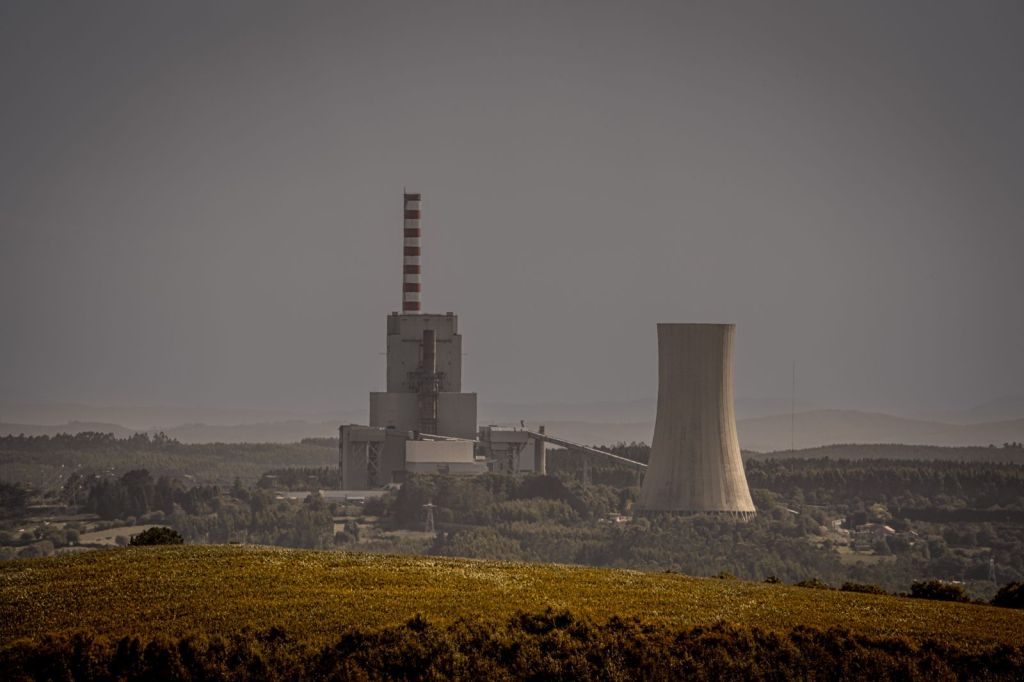
- Gas and LNG, where declining Gulf of Thailand output is being replaced with imports through PTT’s terminals — see LNG terminals reshape thermal fleets.
How procurement, standards and financing work
EGAT, the Metropolitan Electricity Authority and the Provincial Electricity Authority are financially strong state enterprises that procure through formal tenders under Thai public procurement rules, with technical specifications based on IEC and Thai Industrial Standards (TIS). Vendor lists, type tests and local service support are usual requirements, and many categories are dominated by long-standing local manufacturers and joint ventures — a form of de facto local content. Private power producers — from IPPs such as Gulf, Ratch and EGCO to SPPs and VSPPs — buy on commercial terms and are the main customers for solar, wind and storage equipment. The Energy Regulatory Commission licenses projects and sets grid codes; the Energy Policy and Planning Office sets policy.
Risks and constraints
Thailand’s reserve margin has been high for years, which limits new thermal procurement and makes tender timing dependent on plan revisions and demand growth. Grid capacity for renewables is uneven, and the single-buyer structure means most utility-scale opportunities flow through EGAT tenders and ERC auction rounds rather than an open market. Regulatory reform toward third-party access and a wholesale market has been discussed for years but moves slowly. Suppliers should expect established competition, price sensitivity and a preference for proven technology, but also stable payment and long-term relationships. Thailand is covered in our Southeast Asia overview alongside Vietnam, Malaysia and Cambodia and Laos.
Key facts at a glance
- Structure: enhanced single buyer — EGAT (transmission, generation, offtake), MEA and PEA (distribution), private IPPs/SPPs/VSPPs
- Regulator and policy: Energy Regulatory Commission; Energy Policy and Planning Office
- Direction: more solar, storage and imported hydro; gas as flexible backbone; carbon neutrality by mid-century
- Suppliers: formal utility procurement, EPC-led private projects, local service capability rewarded
Sources and further reading
- Electricity Generating Authority of Thailand (EGAT) — the state generator and transmission owner
- Metropolitan Electricity Authority — Bangkok distributor
- Provincial Electricity Authority — national distributor
- Energy Regulatory Commission — regulation and licensing
- Energy Policy and Planning Office — policy and power development plans
- IEA — Thailand — energy statistics
- Asian Development Bank — Thailand — energy analysis
This article was researched and written by the EnergiTech Media editorial team and last reviewed in August 2026. We update country and sector guides as tenders, plans and regulations change. Spotted something out of date? Email support@energitechmedia.com.
For the latest, read our energy news and subscribe to Emerging Energy Weekly.
 EnergiTech Media
Leave a comment