
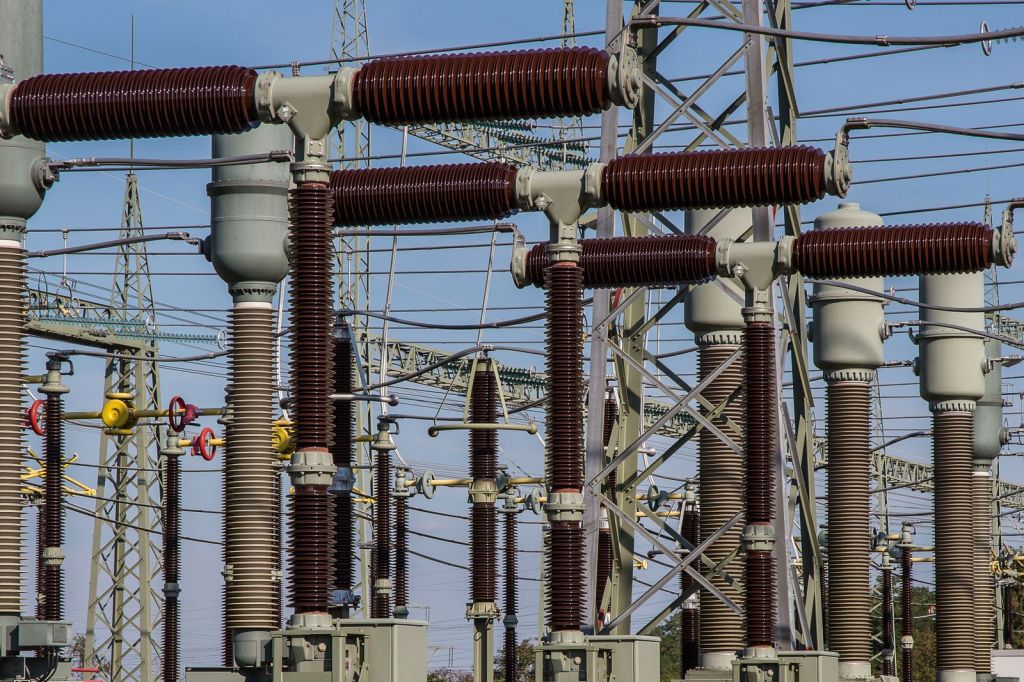
Wheeling — using the utility grid to deliver power from a private generator to a private customer for a fee — is spreading across emerging markets, opening a route to market that does not depend on a state utility signing a power purchase agreement.
Rules published in several countries now set wheeling charges, define balancing and settlement, and allow multiple customers per generator. Mines, industrial parks and data centres are the early buyers; solar, wind and increasingly storage-backed projects are the sellers.
Why it matters
For developers, wheeling turns creditworthy corporates into offtakers and reduces dependence on utility balance sheets. For utilities, it brings network revenue and eases procurement pressure. For regulators, it is a step toward competitive markets. Our South Africa guide shows how quickly a market can move once the rules are in place.
What suppliers should watch
Wheeled projects are financed privately and built quickly, usually through local EPC contractors, and they need metering, control and grid-code compliance to satisfy the utility. Demand for solar, storage and grid-connection equipment follows the corporate customer pipeline rather than utility tenders.
Background: what wheeling is and why it was blocked
Wheeling is the use of a utility’s transmission or distribution network to move electricity from an independent generator to a customer that is not the utility itself. In vertically integrated systems the utility historically refused or priced it prohibitively, because every wheeled megawatt-hour is a sale it does not make. Reform has come as industrial customers demanded cheaper and cleaner power, as utilities’ own finances deteriorated, and as regulators recognised that private generation could relieve supply shortfalls without public borrowing. South Africa, where the licensing threshold for private generation was lifted entirely and Eskom’s transmission business was unbundled, is the most-watched example; several other markets are following with published wheeling tariffs and standard use-of-system agreements.
The World Bank’s power-sector reform work and regulators such as NERSA frame wheeling as part of open access — the principle, established in the European Union and many US states, that networks are shared infrastructure open to third parties on non-discriminatory terms.
What suppliers should watch
- Tariff methodology. Whether use-of-system charges are cost-reflective or loaded with cross-subsidies determines how many corporate deals close.
- Corporate PPAs. Wheeling is the enabling condition for the corporate power purchase agreements now being signed by mines, data centres and manufacturers.
- Metering and settlement. Wheeling needs bidirectional revenue-grade metering, data platforms and settlement systems at the utility.
- Distribution-level access. Most rules started at transmission level; extension to municipal or regional distribution networks is the next fight.
What it means for suppliers to utilities and OEMs
Wheeling opens a second customer base beyond the state utility: private developers building solar, wind and storage for corporate off-takers, who buy the same modules, inverters, transformers and switchgear but on commercial timelines and with different qualification rules. On the utility side, it drives demand for grid-connection studies, metering, SCADA upgrades and distribution reinforcement. Follow the developments on our news page and renewables sector page.
Quick answers
What is electricity wheeling?
The transport of electricity across a utility’s network from a third-party generator to a customer, in return for a use-of-system charge.
Which emerging markets have wheeling frameworks?
South Africa, Kenya, Namibia, Egypt, the Philippines, India and Vietnam are among the markets with published or pilot frameworks, with others consulting on rules.
Sources and further reading
- NERSA — National Energy Regulator of South Africa — wheeling and licensing rules
- Eskom — transmission use-of-system information
- World Bank — Energy — open-access and reform guidance
- IRENA — Corporate sourcing of renewables — how corporate buyers procure clean power
- EnergiTech Media — Energy infrastructure in South Africa — country guide
This article was researched and written by the EnergiTech Media editorial team and last reviewed in August 2026. We update country and sector guides as tenders, plans and regulations change. Spotted something out of date? Email support@energitechmedia.com.
Track the rule changes in our news section and Emerging Energy Weekly.
 EnergiTech Media
Leave a comment