
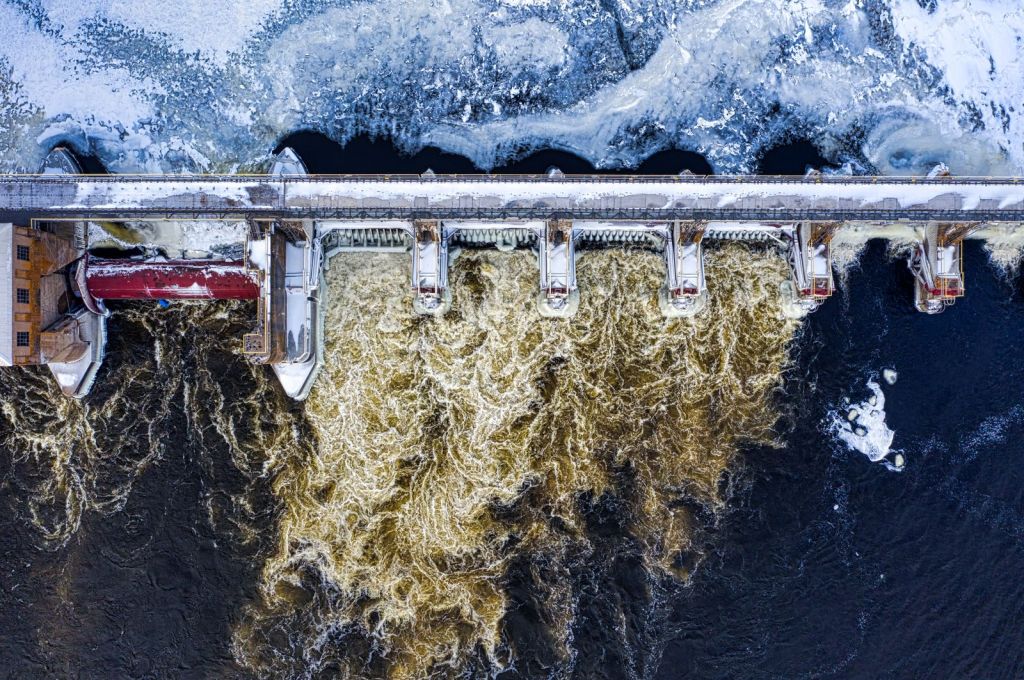
Tanzania has moved from chronic shortages to a growing, gas- and hydro-based system, with a large new hydro plant, domestic gas fields and a transmission programme that ties it into both the Eastern and Southern African power pools.
Who runs Tanzania’s power system?
The Tanzania Electric Supply Company (TANESCO) is the vertically integrated state utility for generation, transmission and distribution on the mainland; Zanzibar has its own utility. The Energy and Water Utilities Regulatory Authority regulates, and the Ministry of Energy sets policy. Independent producers, particularly in gas-fired generation, sell to TANESCO under long-term contracts.
What has changed in generation?
The commissioning of a very large hydro plant on the Rufiji river added a step-change in capacity, complementing gas-fired plants supplied from domestic fields. Together they have eased the load-shedding of earlier years and shifted the conversation to evacuating power, diversifying with solar and wind, and managing hydrology risk. Our power generation section tracks the fleet.
Why is transmission the priority?
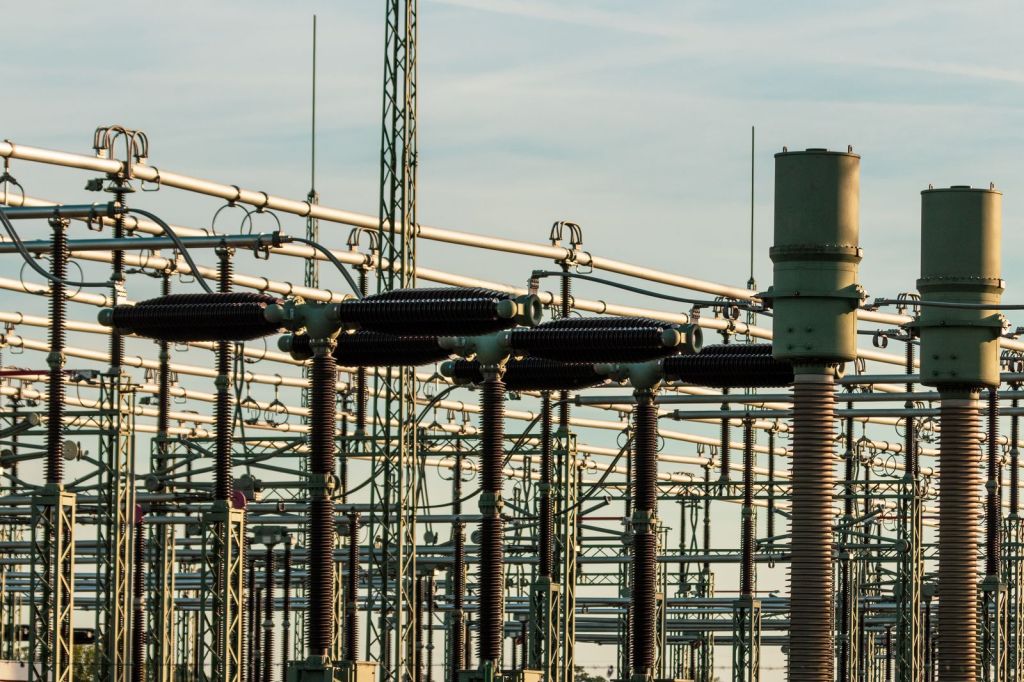
New backbone lines and substations are needed to move hydro and gas power to demand centres, connect mines and industry, and link to Kenya, Zambia and neighbours through the power pools. Distribution expansion for rural access — a national priority — adds substation, line and metering work. See our grid section.
What about renewables and storage?
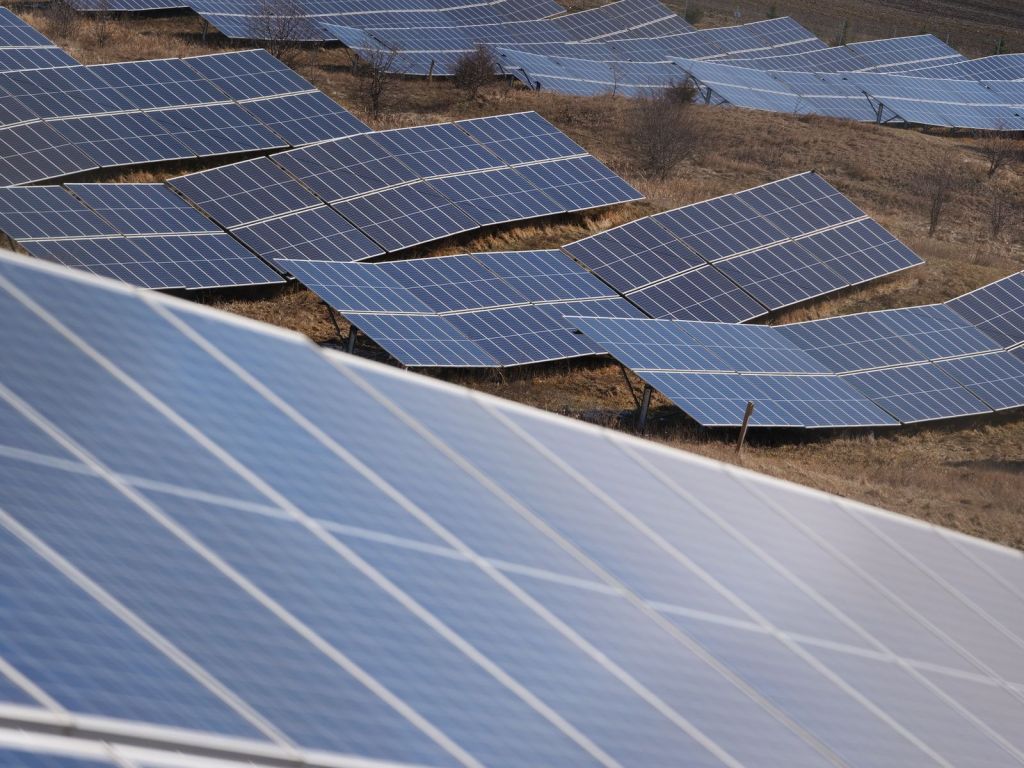
Solar and wind programmes are advancing, with competitive procurement being introduced, and storage is beginning to appear in planning for grid stability. Off-grid solar and mini-grids serve remote communities. Read our renewables coverage.
What should suppliers know?
TANESCO procurement is formal and frequently financed by the World Bank, the African Development Bank and bilateral lenders; transformers, conductors, substations, gas turbines and grid automation are recurring needs. Local content expectations are growing and payment discipline has improved with utility reforms.
Key projects and programmes to watch
- The Julius Nyerere hydropower project on the Rufiji, which roughly doubles national capacity, and the transmission to integrate it — see hydro drought risk for the reliance question.
- Transmission backbone and interconnectors, including the Kenya–Tanzania link and the Tanzania–Zambia line that connects the Eastern and Southern African power pools — see interconnector projects accelerate.
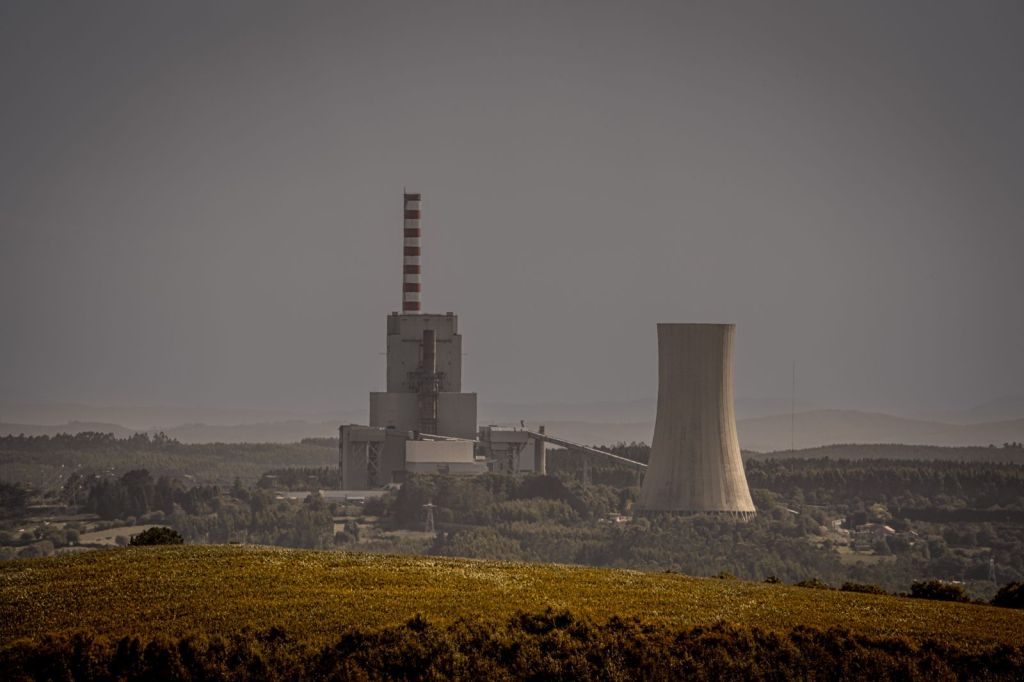
- Gas-to-power at Kinyerezi and future plants using domestic gas, plus LNG development plans.
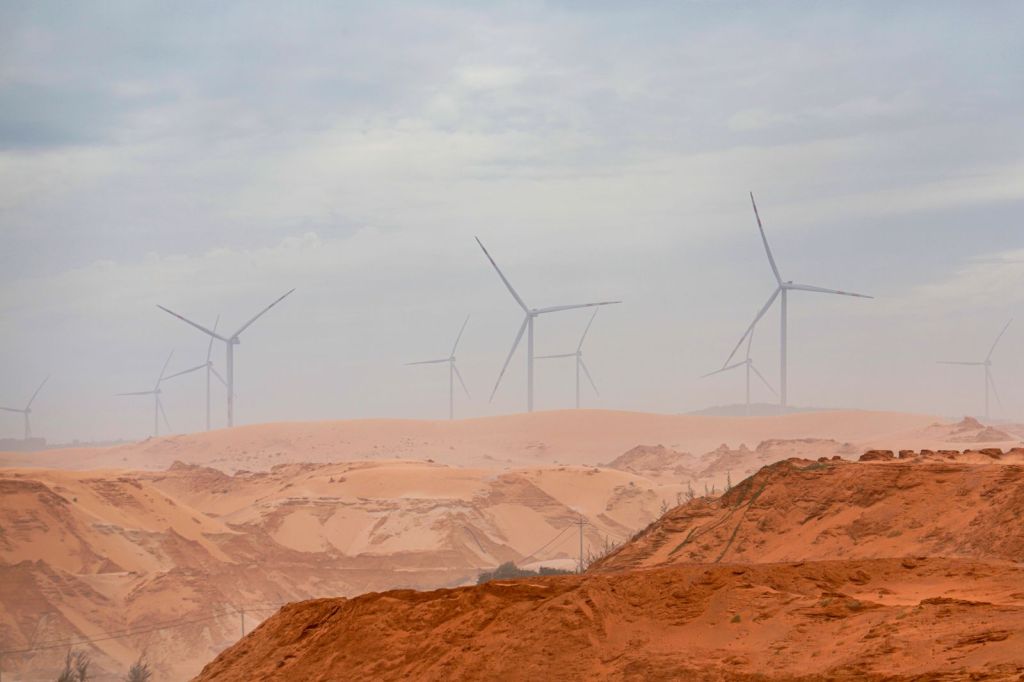
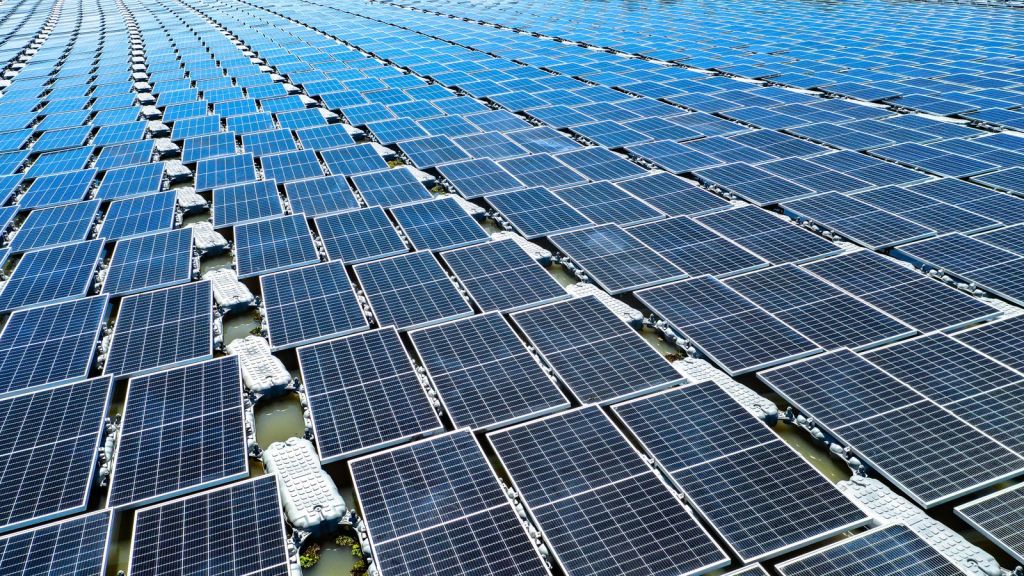
- Utility-scale solar and wind, including first large solar plants in the central regions and wind studies — see solar tenders reward evening delivery.
- Distribution expansion and rural electrification under the Rural Energy Agency, and loss reduction at TANESCO.
- Regional gas and mining loads, which drive dedicated transmission and industrial power demand.
How procurement, standards and financing work
TANESCO is a vertically integrated state utility procuring under the Public Procurement Act, with the World Bank, African Development Bank, JICA and other lenders financing transmission and distribution; the Energy and Water Utilities Regulatory Authority regulates. IPP participation has been limited but is growing under new frameworks. Standards follow IEC and Tanzania Bureau of Standards requirements. Suppliers should expect development-bank procurement rules on most large projects.
Risks and constraints
TANESCO’s finances and past disputes with IPPs have made investors cautious, and grid reliability and losses remain issues. Hydro dependence brings drought risk. However, the combination of new hydro, gas, regional interconnection and a large electrification agenda gives Tanzania one of East Africa’s biggest transmission and distribution pipelines. Read alongside our Africa energy infrastructure overview and guides to Kenya and Zambia.
Key facts at a glance
- Utility: TANESCO (vertically integrated); regulator EWURA
- Generation: large new hydro plus domestic gas; solar and wind emerging
- Priority: transmission backbone, interconnection with power pools, rural distribution
- Suppliers: lender-financed formal procurement; local content rising
Sources and further reading
- TANESCO — national utility
- EWURA — regulation
- World Bank — Tanzania — projects and analysis
- African Development Bank — Tanzania — energy lending
- Eastern Africa Power Pool — regional trade
This article was researched and written by the EnergiTech Media editorial team and last reviewed in August 2026. We update country and sector guides as tenders, plans and regulations change. Spotted something out of date? Email support@energitechmedia.com.
For weekly East and Southern Africa coverage, subscribe to Emerging Energy Weekly.
 EnergiTech Media
Leave a comment