
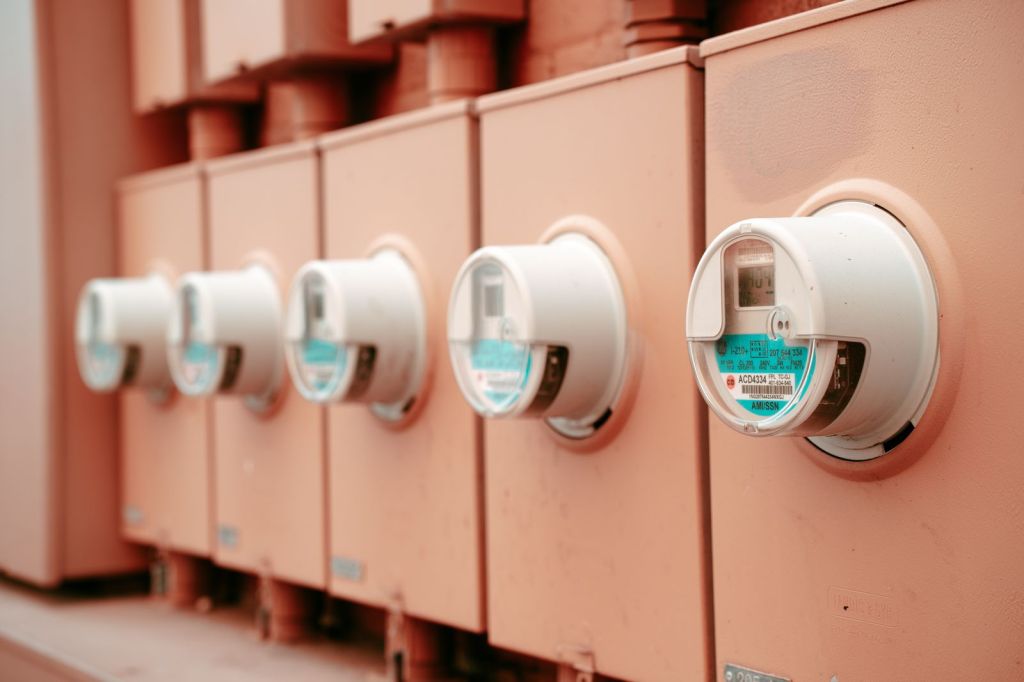
Programmes to reduce technical and commercial losses on distribution networks are moving up utility and lender agendas in emerging markets, as one of the fastest ways to improve utility finances without new generation.
Losses — from overloaded lines and transformers to unmetered or unbilled consumption — can absorb a large share of energy delivered. Reducing them frees capacity, improves revenue and underpins the case for further investment.
What the programmes involve
Smart and prepaid metering, feeder and transformer upgrades, network reconfiguration, data analytics to locate losses and enforcement against theft, often combined with customer-service improvements. Our Nigeria and Ghana guides describe two large efforts.
Supplier implications
Meter and communications volumes, distribution transformers and conductors, analytics platforms and field-service contracts. Lender financing brings formal procurement. See our grid section.
Background: the cheapest new capacity is the power you stop losing
Many emerging-market distribution utilities lose 15 to 40 per cent of the electricity they buy before it is billed — a mix of technical losses in overloaded lines and transformers and commercial losses from theft, faulty meters and unbilled consumption. In Nigeria, Ghana, Pakistan, Bangladesh, parts of India and much of sub-Saharan Africa, losses are a leading cause of utility insolvency and, in turn, of under-investment. Loss-reduction programmes are therefore among the highest-return investments in the sector — the World Bank and the African Development Bank fund them widely, and regulators tie tariff approvals to loss targets, a link explored in our story on tariff reform.
What the programmes involve, in more detail
- Metering: prepaid and smart meters at customer level, plus meters on distribution transformers and feeders to run energy balances.
- Network upgrades: reconductoring, transformer replacement and load balancing to cut technical losses — overlapping with distribution reinforcement.
- Data and analytics: GIS mapping, customer enumeration and analytics that identify where losses occur, building on distribution sensing.
- Commercial reform: billing systems, collection campaigns, tamper-proof service connections and enforcement.
- Performance-based contracts in which private operators are paid from recovered revenue.
What it means for suppliers to utilities and OEMs
Loss reduction is a large, repeatable equipment and services market: meters and communications, distribution transformers and conductors, aerial bundled cable, metering data systems, billing software and field services — usually procured in programme tranches with development-bank finance and local-assembly preferences for meters. Suppliers should track programme announcements on our grid reliability page and prepare for utility qualification as described in How to sell to utilities in emerging markets.
Quick answers
What are aggregate technical and commercial losses?
The share of electricity a utility buys or generates that is lost in the network (technical) or not billed and collected (commercial) — the combined figure is often called ATC&C losses.
Why do loss-reduction programmes matter for suppliers?
They drive high-volume procurement of meters, transformers, cables, data systems and services, and they improve the utility’s ability to pay for future equipment.
Sources and further reading
- World Bank — Energy — utility performance and loss-reduction programmes
- African Development Bank — Energy — distribution financing
- ESMAP — utility turnaround and metering guidance
- EnergiTech Media — Energy infrastructure in Nigeria — country guide
This article was researched and written by the EnergiTech Media editorial team and last reviewed in August 2026. We update country and sector guides as tenders, plans and regulations change. Spotted something out of date? Email support@energitechmedia.com.

 EnergiTech Media
Leave a comment