
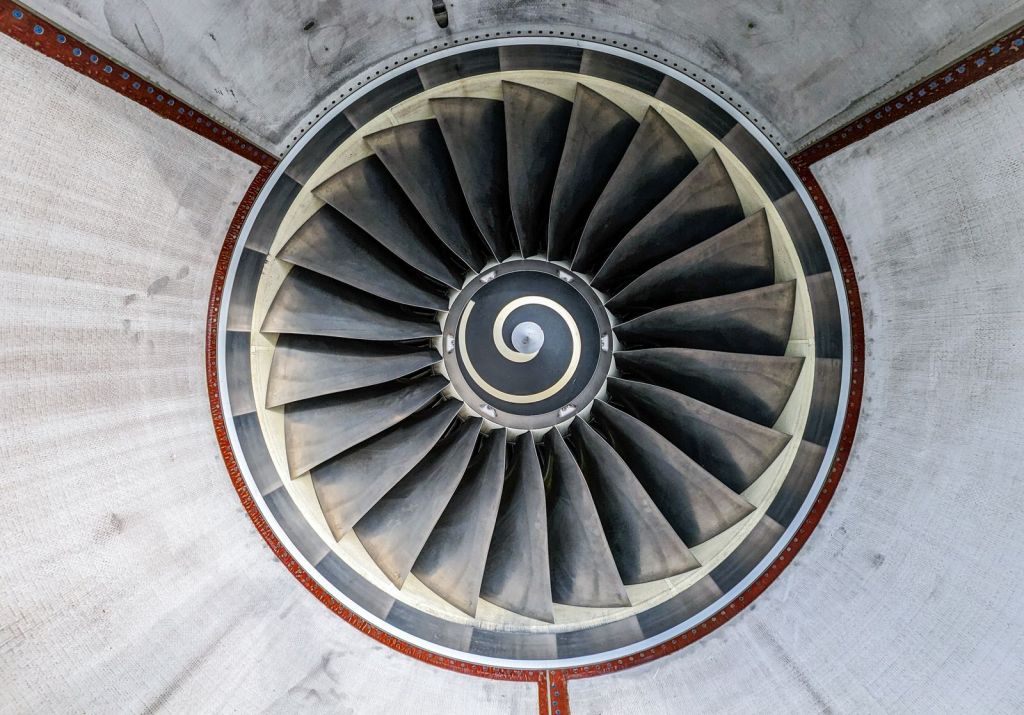
Fast-starting gas-fired peaking capacity is back on procurement lists in emerging markets, as system planners look for firm, flexible power to cover evening peaks and low-wind periods on grids where solar and wind shares are climbing.
The new plants differ from earlier fleets: they are specified for fast starts, frequent cycling and low minimum load, often dual-fuel to hedge gas supply, and increasingly paired with batteries that handle the fastest response while turbines cover longer gaps.
Why now
Capacity payments and firm-power auctions make peaking plants financeable even at low running hours; LNG import capacity has widened fuel options; and hydro-dependent systems have been reminded of drought risk. See our reporting on capacity markets.
Supply-chain notes
Aeroderivative and reciprocating-engine plants, dual-fuel systems, fast-start controls and hybrid battery integration are the specifications appearing in tenders; conversion of older open-cycle plants is a parallel market. Read our power generation section.
Background: firm capacity for the evening peak
As solar and wind supply a growing share of daytime energy, the remaining problem in most emerging-market systems is the evening peak and the occasional multi-day lull. Batteries cover the first few hours economically; beyond that, systems still need dispatchable capacity that can run for long periods. Where hydro is limited or drought-prone and coal is being retired, gas — open-cycle turbines and reciprocating engines that start in minutes — is the technology utilities know how to finance and operate. The IEA’s gas market analysis and its electricity security work both describe this transitional role, and the spread of LNG import terminals has made fuel available in markets that lack domestic gas.
The mechanism that makes peakers viable is usually a capacity payment, which is why the return of gas peakers tracks the emergence of capacity markets.
Why now, in more detail
- Coal retirements in South Africa, Indonesia and elsewhere remove firm capacity faster than renewables plus storage can replace it.
- Hydro variability — see hydro drought risk — pushes utilities toward fuel-based backup.
- Fast-start technology and hydrogen-ready designs make new gas plants easier to justify against climate targets.
- Financing from development banks is available for gas-to-power in some markets as a transition fuel, though conditions are tightening.
What it means for suppliers to utilities and OEMs
Peaking plants are compact but component-rich: turbines or engines, generators, step-up transformers, gas compression and treatment, black-start systems, emissions controls and fast-acting controls. Refurbishment of existing open-cycle plants — new controls, hot-gas-path parts, dual-fuel conversion — is as active a market as new-build. Suppliers should watch capacity auction schedules and utility procurement on our power generation page, and expect qualification to include availability guarantees and grid-code tests similar to those described in How to sell to utilities in emerging markets.
Quick answers
What is a gas peaker?
A gas turbine or engine plant designed to start quickly and run for short periods when demand is highest or renewable output is low.
Are gas peakers compatible with net-zero plans?
Many utilities treat them as transitional firm capacity, run at low capacity factors and increasingly specified as hydrogen-ready or convertible.
Sources and further reading
- IEA — Natural gas — market outlook
- IEA — Electricity security — adequacy analysis
- World Bank — Energy — gas-to-power financing policy
- EnergiTech Media — Capacity markets emerge — related coverage
This article was researched and written by the EnergiTech Media editorial team and last reviewed in August 2026. We update country and sector guides as tenders, plans and regulations change. Spotted something out of date? Email support@energitechmedia.com.
Subscribe to Emerging Energy Weekly for weekly updates.

 EnergiTech Media
Leave a comment