

The first generation of wind farms in emerging markets is reaching mid-life, and owners are starting to weigh repowering — replacing turbines with fewer, larger machines — against life extension and continued operation.
Repowering can multiply output on the same site and grid connection, which is precisely why it is attractive where grid access is scarce. But it requires new permits, new financing and, often, renegotiated offtake.
The decision drivers
Turbine availability and spares for older models, tariff terms at contract expiry, grid capacity at the connection point and the ability to secure a new power purchase agreement or corporate offtake. Where original tariffs were generous, owners may prefer to run assets to the end of the contract before repowering.
What it means for suppliers
Demand for larger turbines, foundations and electrical balance of plant, but also for condition monitoring, refurbishment and life-extension services on the existing fleet. Grid-connection upgrades often accompany repowering. See our renewables coverage.
Background: the first fleets are ageing
The first wave of utility-scale wind in emerging markets — Egypt’s Zafarana, Morocco’s Tarfaya and earlier farms, India’s early Tamil Nadu and Gujarat projects, South Africa’s first REIPPPP rounds, and pioneering farms in Kenya, Ethiopia, Brazil, Mexico and the Philippines — is reaching 15 to 25 years of age. Turbines from that era were typically 600 kW to 2 MW with hub heights well below today’s 100-metre-plus machines. Repowering replaces them with far fewer, far larger turbines on the same site, often doubling or tripling output while using the same grid connection and land — the International Energy Agency’s wind analysis and WindEurope’s repowering guidance document the gains seen in Europe, and developers are now running the numbers in emerging markets.
The decision drivers, in more detail
- Grid connection value. The existing connection is often worth more than the turbines; repowering keeps it, whereas a new site joins the grid access queue.
- Contract status. Many early PPAs are ending; repowering usually needs a new tariff or auction route.
- Permitting. Some regulators treat repowering as a new project; others fast-track it. The rules are being written now.
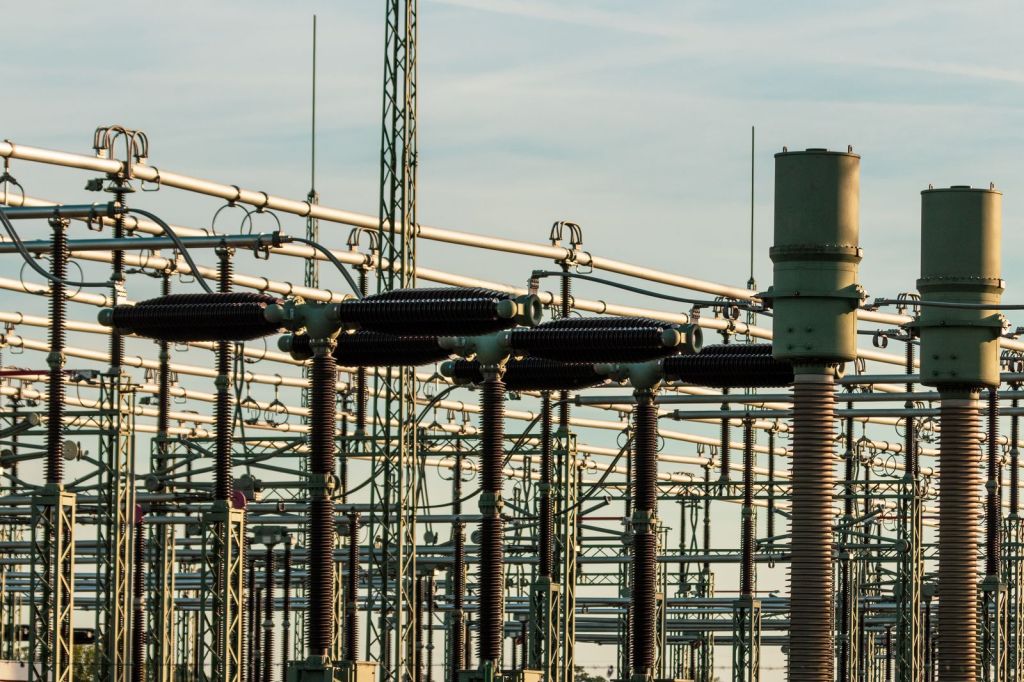
- Component supply. Larger turbines need new foundations, cranes and transport routes, and transformer and switchgear lead times apply.
What it means for suppliers to utilities and OEMs
Repowering is a specialised market: it needs decommissioning and recycling services, foundation and civil work, blade and nacelle logistics, upgraded substations and cabling, and control systems that meet current grid codes. Turbine OEMs compete on the economics of the new machines; component and service suppliers win by handling the constraints of a live site. Repowering also produces a secondary market in refurbished turbines and parts, which matters for wind O&M and repair across the region. See our renewables sector page for tender and policy updates.
Quick answers
What is wind repowering?
Replacing older, smaller turbines with modern, larger ones on an existing wind farm to increase output while reusing the site and grid connection.
Which emerging markets have wind fleets old enough to repower?
Egypt, Morocco, India, South Africa, Brazil, Mexico and parts of Southeast Asia and East Africa now have projects at 15 to 25 years of age.
Sources and further reading
- IEA — Wind — technology and market outlook
- IRENA — Wind energy — costs and repowering context
- Global Wind Energy Council — market reports
- WindEurope — Repowering — European repowering experience
- EnergiTech Media — Grid access and curtailment explained — why existing connections matter
This article was researched and written by the EnergiTech Media editorial team and last reviewed in August 2026. We update country and sector guides as tenders, plans and regulations change. Spotted something out of date? Email support@energitechmedia.com.
Subscribe to Emerging Energy Weekly for the weekly briefing.




 EnergiTech Media
Leave a comment