
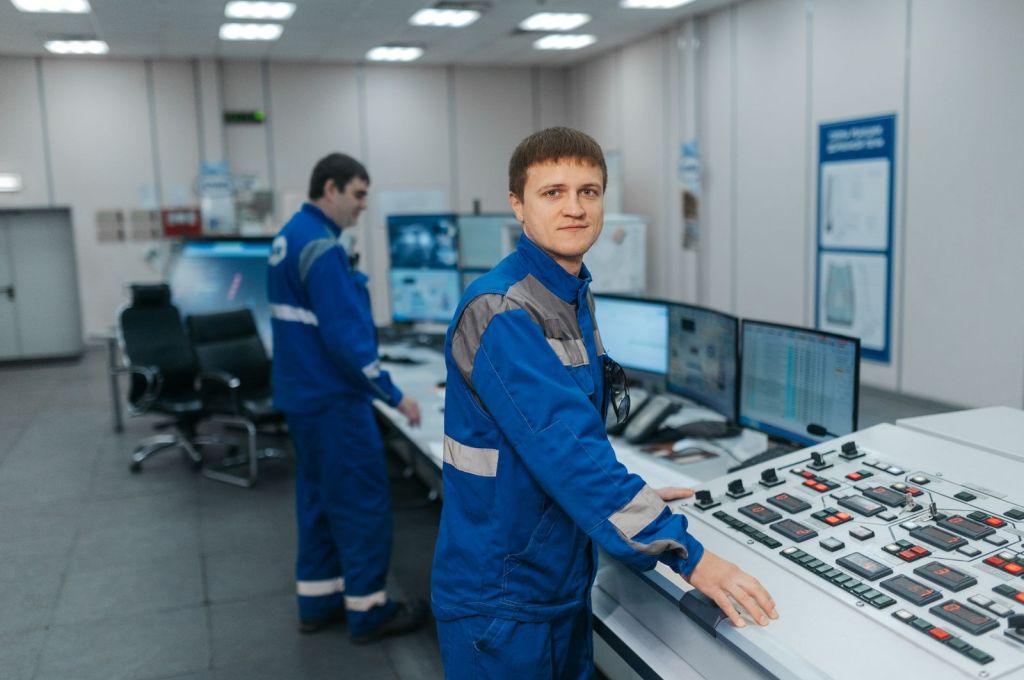
System operators in emerging markets are rewriting grid codes to govern inverter-based resources — solar, wind and battery plants — requiring fault ride-through, frequency and voltage support and, increasingly, grid-forming capability, as these plants become a large share of generation.
The changes follow stability incidents and near-misses in systems where inverter-based capacity grew faster than the rules, and they draw on codes developed in mature markets while adapting them to weaker grids.
What is changing
Mandatory ride-through envelopes, active and reactive power response requirements, communications and controllability standards, model-submission and compliance-testing procedures, and grid-forming requirements for storage in some networks.
Supplier implications
Inverter and control specifications in tenders now reference the new codes explicitly; suppliers need type tests, models and local commissioning capability. Compliance is becoming a qualifying criterion. Read our grid section.
Background: rules written for spinning machines
Grid codes — the technical rules that generators must meet to connect — were mostly written when every large generator was a synchronous machine whose physics naturally provided inertia, fault current and voltage support. Solar inverters, wind converters and batteries do none of that automatically; they do what they are programmed to do. As inverter-based resources (IBRs) reach 20, 30 or 50 per cent of instantaneous supply in emerging-market systems, operators have seen frequency swings, protection mis-operations and cascading disconnections that older codes did not anticipate. Codes are therefore being rewritten to require ride-through, frequency and voltage support, ramp-rate control and, increasingly, grid-forming capability. References include IEEE 2800, the European network codes, ENTSO-E guidance, and the IEA and IRENA system-integration work.
What is changing, in more detail
- Fault ride-through and dynamic voltage support during grid disturbances.
- Frequency response and inertia-like services from batteries and, in some codes, from wind and solar.
- Grid-forming requirements for storage in weak grids and islanded systems.
- Model submission and testing: developers must supply validated dynamic models and pass commissioning tests.
- Retrofit obligations for existing plants in some markets, linked to curtailment and connection rules.
What it means for suppliers to utilities and OEMs
Grid-code revisions are a product requirement: inverters, converters, plant controllers and battery systems must be certified against the new rules, and developers favour suppliers who provide validated models, testing support and firmware updates. Utilities need protection reviews, synchronous condensers, STATCOMs and monitoring to manage high-IBR operation. Compliance testing and certification services are a growing niche. Track code revisions by market on our grid reliability page.
Quick answers
What is an inverter-based resource?
A generator or storage system connected to the grid through power electronics — solar, most wind, and batteries — rather than a directly coupled rotating machine.
Why are grid codes being rewritten?
Because high shares of inverter-based resources change how the system behaves during disturbances, and older codes did not require inverters to support frequency and voltage.
Sources and further reading
- IEEE 2800-2022 — interconnection standard for inverter-based resources
- ENTSO-E — Network codes — European connection requirements
- IEA — Electricity Grids and Secure Energy Transitions — system operation analysis
- IRENA — Power system transformation — integration guidance
This article was researched and written by the EnergiTech Media editorial team and last reviewed in August 2026. We update country and sector guides as tenders, plans and regulations change. Spotted something out of date? Email support@energitechmedia.com.
 EnergiTech Media
Leave a comment