

Malaysia combines a stable, well-run utility sector with an ambitious energy-transition programme, making it one of the more predictable emerging markets for infrastructure suppliers. Three separate grids, a single dominant utility on the peninsula and a steady rhythm of solar procurement define the landscape.
Who runs Malaysia’s grids?
Tenaga Nasional Berhad (TNB) owns and operates the Peninsular grid, from generation through transmission and distribution, and buys from independent power producers under long-term agreements. Sarawak Energy runs the hydro-rich Sarawak grid, and Sabah Electricity serves Sabah. The Energy Commission (Suruhanjaya Tenaga) regulates and runs procurement programmes; policy comes from the Ministry of Energy Transition and Water Transformation. A single-buyer arrangement on the peninsula means TNB is the counterparty for most large infrastructure purchases.
What does the National Energy Transition Roadmap change?
The 2023 roadmap sets flagship projects and targets for renewables in the capacity mix, energy efficiency, hydrogen, carbon capture and grid modernisation, and frames the grid as the enabling investment. It also lifted the ban on renewable electricity exports, opening cross-border trade with Singapore and the wider ASEAN Power Grid. For suppliers, the roadmap converts long-term intent into named programmes with owners and timelines.
How is large-scale solar procured?
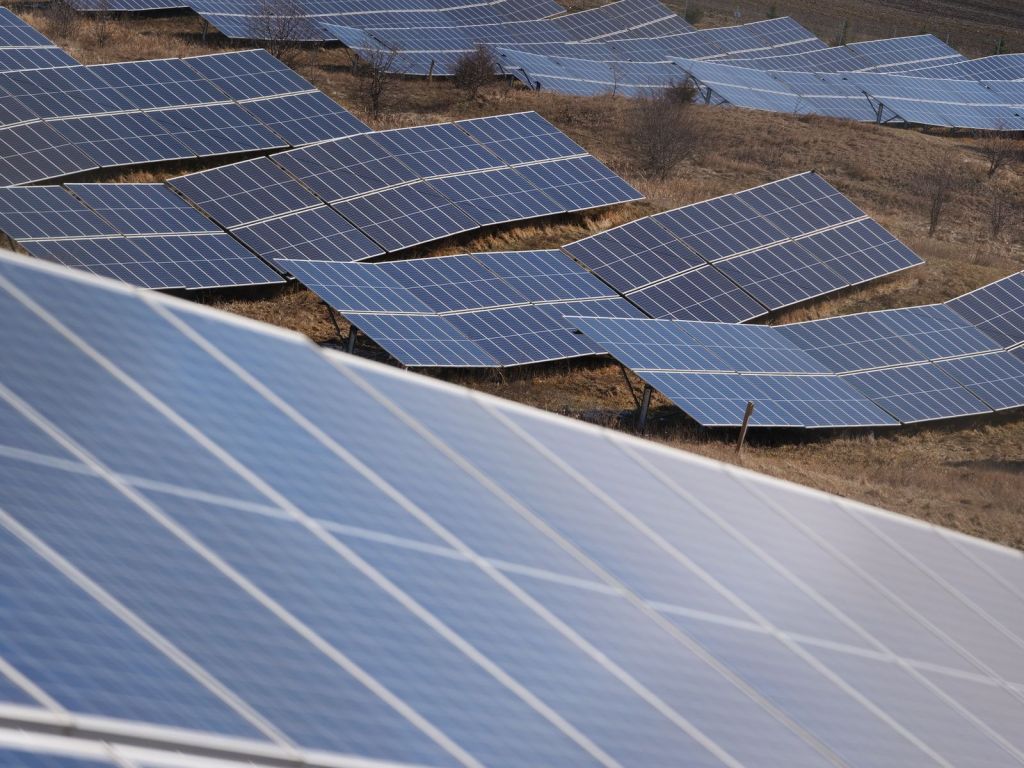
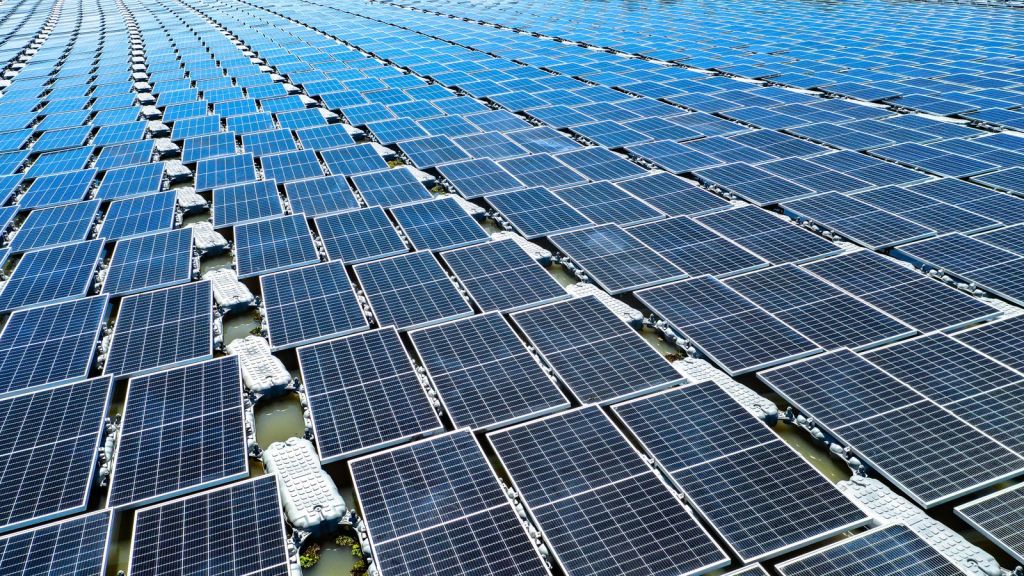
The Energy Commission’s Large Scale Solar programme runs in competitive rounds, awarding capacity to developers who bid tariffs against TNB offtake; recent rounds have been larger and included storage-paired options. Corporate renewable supply schemes and virtual power purchase arrangements let large consumers contract green power directly, and rooftop net-metering programmes drive distributed capacity. Together they create a steady, forecastable pipeline for modules, inverters, mounting, cabling and increasingly batteries. Follow our renewables coverage.
Where is grid investment going?
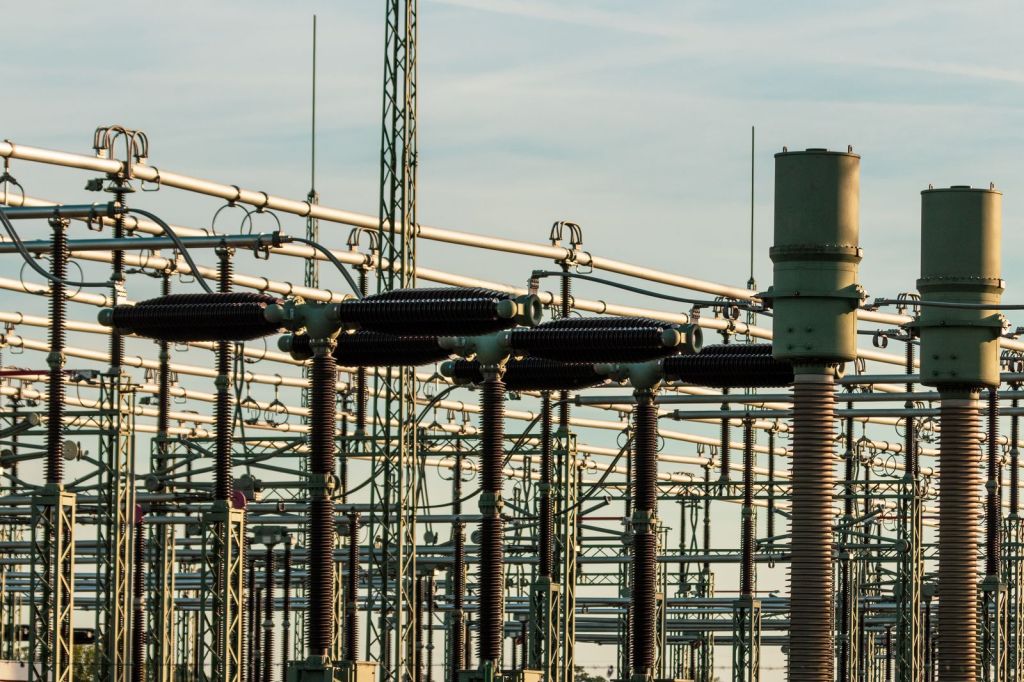
TNB’s grid programme covers transmission reinforcement, substation automation, smart metering and distribution upgrades to absorb solar and electric vehicles, plus interconnection with Singapore and Thailand. Sarawak’s hydro exports and Sabah’s reliability programme add distinct opportunities. See our grid section.
What should suppliers know?
TNB procurement is structured, quality-focused and open to international suppliers, often through registered local partners; local manufacturing of cables, transformers and switchgear is well established, so component suppliers to Malaysian OEMs have a real market. Standards compliance and long-term service commitments carry weight. Background: IEA Malaysia.
Key projects and programmes to watch
- Large Scale Solar (LSS) auction rounds run by the Energy Commission, which have procured several gigawatts of utility-scale solar and are now adding storage — see storage co-location.
- The National Energy Transition Roadmap (NETR) and its flagship projects, including hybrid hydro-floating solar, a planned large solar park in the north and green hydrogen and CCS initiatives.
- TNB grid investment under the regulatory period plans, covering transmission reinforcement, substations, smart meters and grid digitalisation — see grid operators add sensing.
- Corporate renewable supply schemes and third-party access, which allow companies to buy green power across the grid — see corporate PPAs and wheeling frameworks.
- Sarawak hydro and the Borneo grid, where Sarawak Energy exports to Indonesia and plans links to Sabah and Brunei.
- Cross-border trade, with Malaysia a corridor in the Laos–Thailand–Malaysia–Singapore project and a supplier of renewable power to Singapore — see interconnector projects accelerate.
How procurement, standards and financing work
TNB is a listed, financially strong utility that procures under a regulated framework with detailed vendor registration, product approval and type-testing requirements; approved-vendor status is a prerequisite for many categories. Sabah Electricity and Sarawak Energy run separate systems and tenders. Renewable capacity is procured through Energy Commission auctions and feed-in programmes, with private developers choosing suppliers within technical rules and, in some rounds, local-content expectations. Standards follow IEC and Malaysian Standards (MS) with SIRIM certification common. Malaysia’s investment-grade status means development-bank finance plays a smaller role than in neighbouring markets; commercial banks and the domestic bond market finance most projects.
Risks and constraints
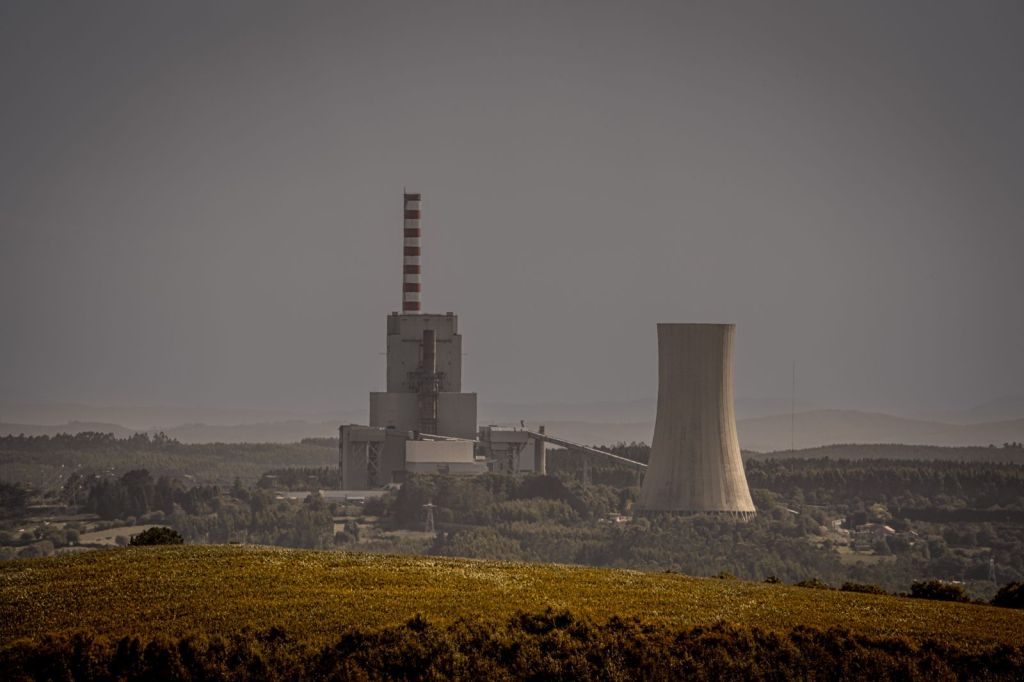
Peninsular Malaysia has had ample reserve margins, so new thermal procurement is limited and renewables growth depends on auction cadence and grid capacity. Land constraints and grid connection queues affect solar in the densely developed west coast. Regulatory transitions — third-party access rules, tariff reform and the unbundling debate — create uncertainty but also opportunity. Suppliers face a mature, quality-driven market with strong local manufacturers in cables, transformers and switchgear. Read alongside our Southeast Asia overview and the Thailand and Indonesia guides.
Key facts at a glance
- Utilities: TNB (Peninsular), Sarawak Energy, Sabah Electricity; single buyer on the peninsula
- Regulator: Energy Commission; policy from the energy transition ministry
- Programmes: National Energy Transition Roadmap; Large Scale Solar rounds; corporate green power schemes; renewable exports permitted
- Growth areas: solar and storage, grid modernisation, cross-border interconnection
Sources and further reading
- Tenaga Nasional Berhad — peninsular utility
- Energy Commission (Suruhanjaya Tenaga) — regulation and LSS auctions
- Sarawak Energy — Sarawak system and hydro exports
- Sabah Electricity — Sabah system
- Ministry of Energy Transition and Water Transformation — NETR policy
- IEA — Malaysia — energy statistics
This article was researched and written by the EnergiTech Media editorial team and last reviewed in August 2026. We update country and sector guides as tenders, plans and regulations change. Spotted something out of date? Email support@energitechmedia.com.
Subscribe to Emerging Energy Weekly for weekly coverage of Malaysia and its neighbours.
 EnergiTech Media
Leave a comment