
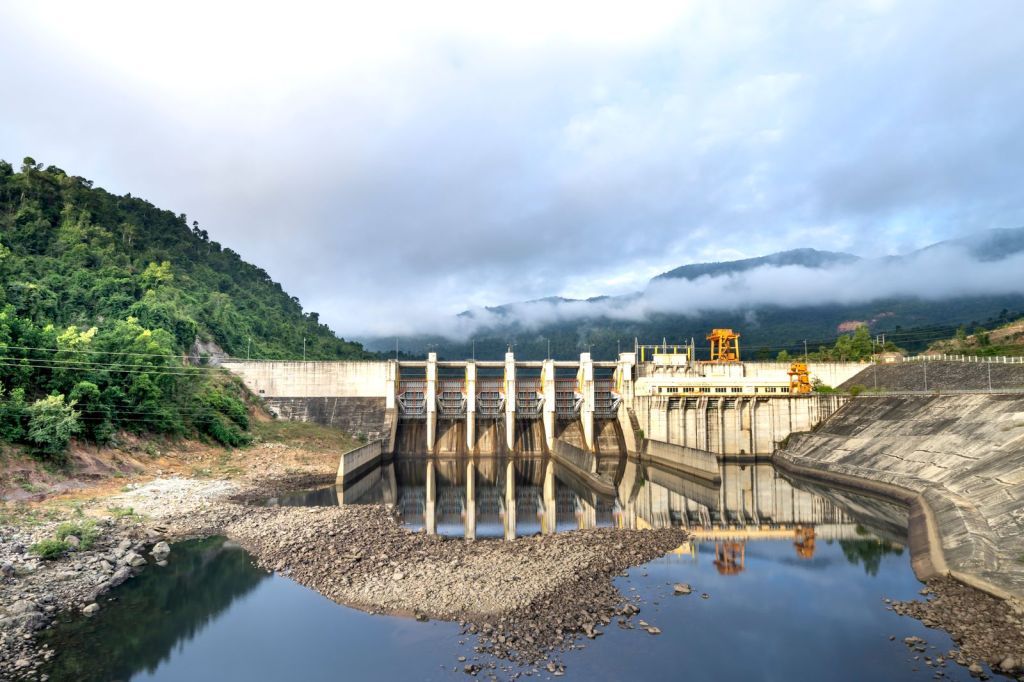
Cambodia and Laos sit at the centre of mainland Southeast Asia’s power trade. Laos has built its economy on exporting hydro power; Cambodia imports a large share of its electricity and is racing to add domestic solar and transmission. Together they show how cross-border infrastructure shapes emerging-market grids.
How does Laos’ power sector work?
Électricité du Laos (EDL) is the state utility, and a large fleet of hydro plants — many built by foreign investors under build-operate-transfer arrangements — exports to Thailand, Vietnam and Cambodia. Transmission was reorganised in 2021 when EDL-Transmission entered a concession with China Southern Power Grid to develop and operate the national grid. Policy sits with the Ministry of Energy and Mines. For suppliers this means turbines, transformers and high-voltage equipment for export-oriented projects, plus grid modernisation under the concession.
How does Cambodia’s power sector work?
Électricité du Cambodge (EDC) buys, transmits and distributes power, supplemented by licensed private operators in the provinces; the Electricity Authority of Cambodia regulates. Imports from Vietnam, Thailand and Laos have long covered a significant share of demand, and the power development plan to 2040 emphasises solar, hydro, gas and transmission to reduce that dependence. Recent years have brought competitive solar tenders and rapid growth in industrial demand around Phnom Penh and the coast. Follow our renewables and power generation coverage.
What infrastructure is being built?
Cross-border transmission lines and substations linking Laos, Cambodia, Thailand and Vietnam; hydro plants and associated grid on the Lao side; utility-scale solar and the first battery projects in Cambodia; and distribution expansion to lift access and reliability. Multilateral lenders including the Asian Development Bank and the World Bank finance much of the grid work.
What are the risks and constraints?
Hydro dependence exposes both countries to dry-season and drought risk; Mekong-basin environmental concerns shape new hydro; import reliance ties Cambodian tariffs to neighbours; and grid reliability lags demand growth in industrial zones. Storage and diversified generation are the standard responses — see our storage section.
What should suppliers know?
Projects are usually developer- or lender-led with international EPC contractors; specifications follow the financier’s standards. Local presence is thin, so regional distributors and service partners matter, and Chinese, Thai and Vietnamese suppliers are strong incumbents. Long-term service and spare-parts arrangements are frequent differentiators.
Key projects and programmes to watch
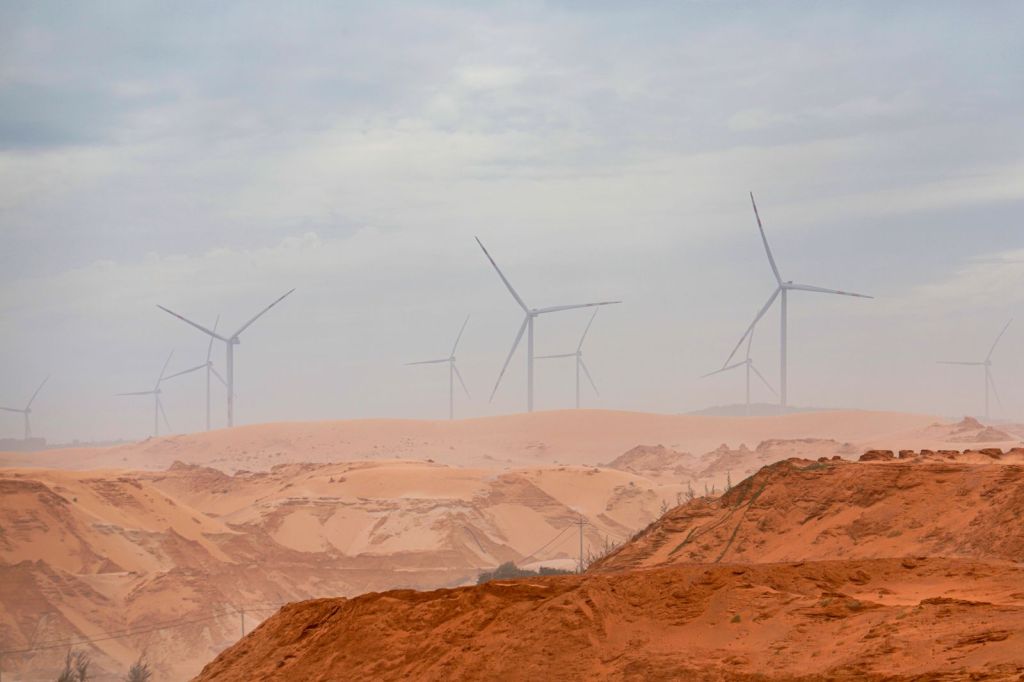
- Laos hydro and wind exports, including the Monsoon wind project — the region’s largest — exporting to Vietnam, and continued hydro sales to Thailand under EDL and private concession agreements.
- The 500 kV transmission backbone and EDL-T, the transmission joint venture that is upgrading and operating Laos’s high-voltage grid.
- The Laos–Thailand–Malaysia–Singapore power integration project, the first multilateral electricity trade in ASEAN — see interconnector projects accelerate.
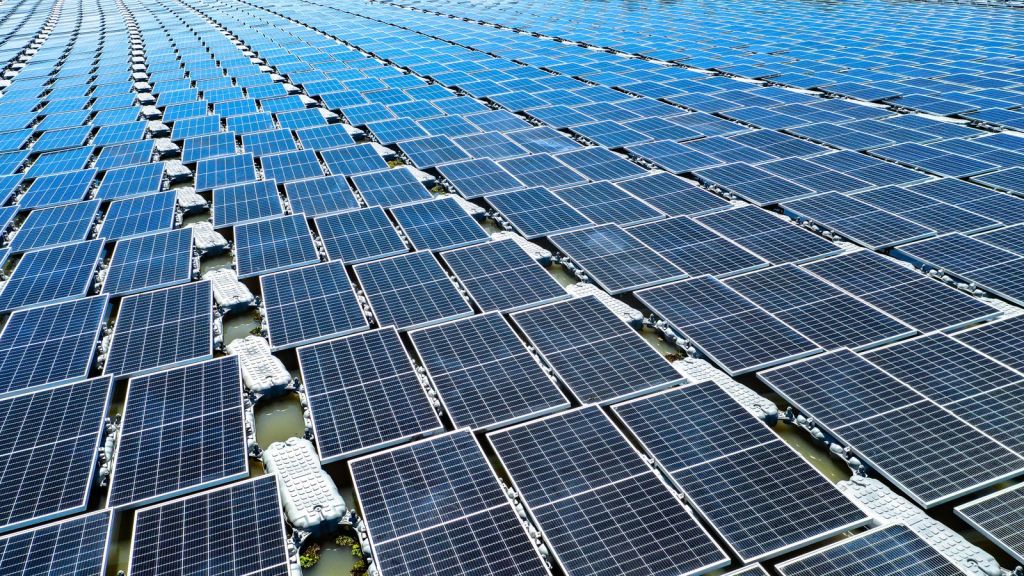
- Cambodia’s solar and storage tenders, run by EDC with ADB support and delivering some of the region’s lowest tariffs; see standalone battery tenders for the storage angle.
- Cambodia’s power development plan to 2040, which prioritises solar, hydro imports and LNG over new coal, and its transmission expansion around Phnom Penh and to provincial load centres.
- Hydro drought risk, which affects both countries and is pushing diversification — see hydro drought risk.
How procurement, standards and financing work
Both utilities are state-owned single buyers. EDL and EDC procure grid equipment through tenders that are frequently financed by the World Bank, ADB, JICA, KfW, AFD and Chinese policy banks, each bringing its own procurement rules; Chinese-financed projects often bundle equipment with the contractor. Generation is largely built by private developers — Thai, Chinese, Vietnamese, Korean and international — under concession and PPA arrangements, and they select suppliers commercially. Standards follow IEC, with the grid codes of the importing countries (Thailand, Vietnam) shaping export projects. Cambodia’s Electricity Authority regulates tariffs and licences.
Risks and constraints
Laos carries high public debt linked to hydro and transmission investment, which affects EDL’s payment capacity and has led to asset concessions; Cambodia’s system is small but growing fast, with reliability and grid capacity still catching up with demand. Both markets are dominated by a few financiers and contractors, so suppliers usually enter through EPC partners or development-bank projects rather than direct utility sales. Read alongside our Southeast Asia overview and the Thailand and Vietnam guides.
Key facts at a glance
- Laos: EDL; export-oriented hydro; EDL-T grid concession with China Southern Power Grid
- Cambodia: EDC; significant imports; solar tenders and transmission build-out; regulator EAC
- Shared: cross-border transmission, multilateral finance, hydro and drought risk
- Suppliers: lender-standard specifications, EPC-led delivery, regional service partners
Sources and further reading
- Électricité du Laos — Lao state utility
- Électricité du Cambodge — Cambodian state utility
- Electricity Authority of Cambodia — regulation
- Asian Development Bank — Cambodia — energy lending
- World Bank — Lao PDR — projects and analysis
- ASEAN Centre for Energy — regional grid and trade
This article was researched and written by the EnergiTech Media editorial team and last reviewed in August 2026. We update country and sector guides as tenders, plans and regulations change. Spotted something out of date? Email support@energitechmedia.com.
For the weekly briefing on Mekong-region and other emerging energy markets, subscribe to Emerging Energy Weekly.
 EnergiTech Media
Leave a comment