
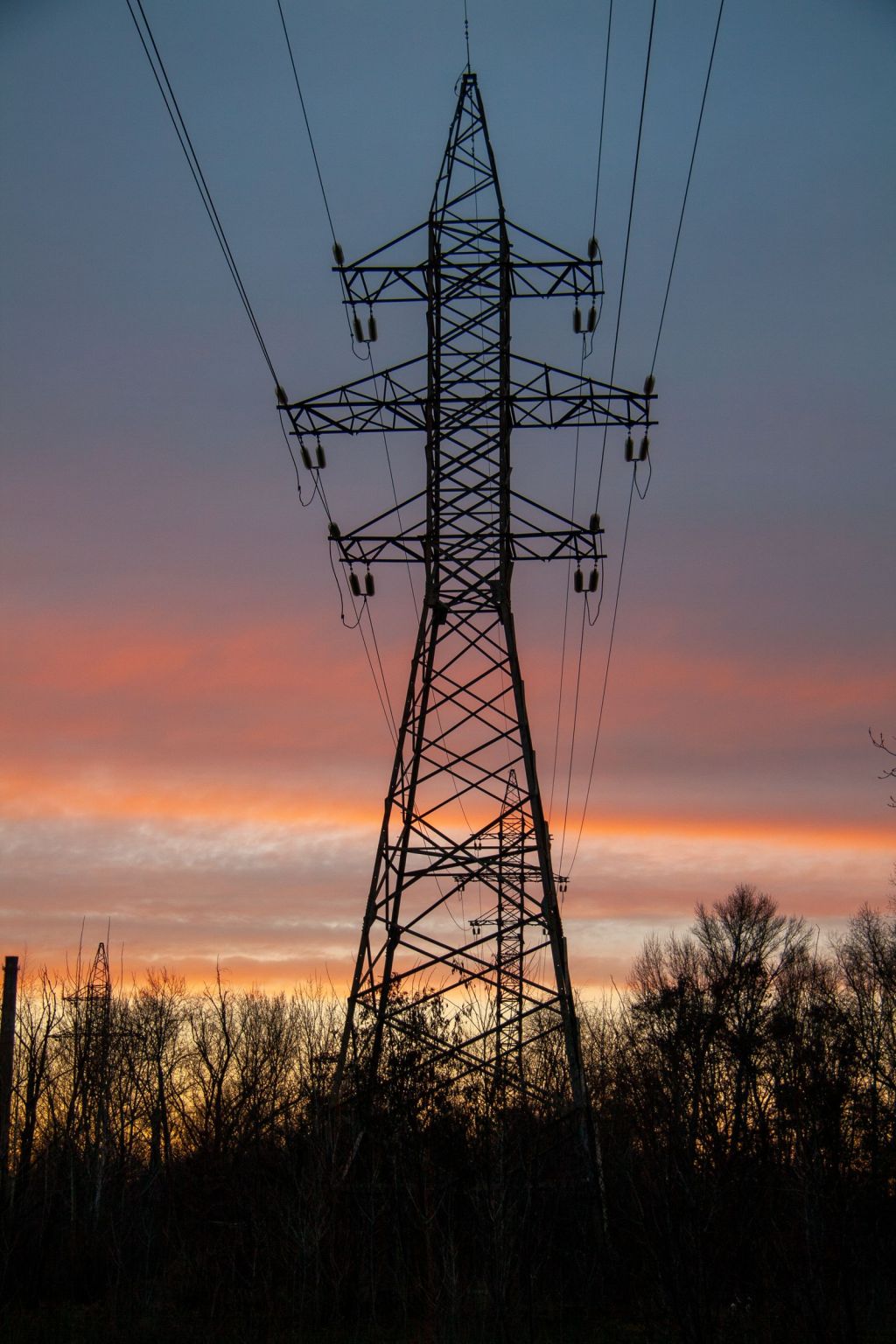
Across emerging markets the same story repeats: renewable projects are built faster than the transmission to carry their output, and generation sits idle. Grid access has become the decisive question in project development. This explainer covers the mechanics and the responses.
What is grid access?
The right — and physical capacity — to connect a generator or large load to the network and export or import power. It depends on available capacity at the connection substation and on the transmission paths beyond it, on connection agreements with the grid owner, and on grid-code compliance of the connecting plant.
Why does curtailment happen?
When generation in an area exceeds what lines and transformers can carry, the system operator instructs plants to reduce output. In several emerging markets, generous tariffs concentrated solar and wind in resource-rich but grid-poor regions, and curtailment followed. Contract terms decide who bears the cost: some agreements pay for deemed energy, many do not. See our renewables coverage.
How are connection queues and capacity allocated?
Approaches vary from first-come, first-served queues to formal grid-capacity allocation rules that release connection capacity by region and tie it to procurement rounds. Grid-impact studies, connection deposits and use-it-or-lose-it provisions are spreading to clear speculative applications. Some markets now publish grid-capacity maps so developers can site projects where wires exist.
What are the technical fixes?
- New transmission lines, substations and transformers — the fundamental answer, but slow
- Storage co-located with generation to shift output away from constrained hours
- Grid-enhancing technologies: dynamic line rating, advanced conductors, power-flow control
- Better forecasting, control-room tools and grid codes for inverter-based resources
- Distributed generation and storage sited close to load
What can developers and suppliers do?
Developers: secure connection agreements before committing capital, model curtailment risk explicitly and consider hybrid designs. Suppliers: expect demand for storage, grid-enhancing technologies, monitoring and control systems, and for the transformers and switchgear at the heart of every reinforcement — see our guide to transformer lead times. Read the latest in our grid section.
Where curtailment and connection queues bite hardest
Vietnam’s central provinces became the textbook case when several gigawatts of solar built under feed-in tariffs outran 110 kV and 220 kV capacity; the Philippines has awarded renewable capacity that waited on transmission; South Africa’s best wind and solar regions have little spare grid, prompting new allocation rules; and Egypt, Chile, Brazil, India and Australia have all seen constrained-off output. The IEA has flagged connection queues and curtailment as global symptoms of grid investment lagging generation, and IRENA catalogues the flexibility measures that reduce them.
Contract clauses to read closely
- Deemed energy and compensation: whether the utility pays for grid-caused curtailment, and any caps or exclusions — see curtailment risk priced into bids.
- Connection milestones and delay liability: who bears the cost if the substation or line is late, which now depends on transformer lead times.
- Grid-code obligations: ride-through, reactive support and ramp-rate rules under the revised codes.
- Flexible or non-firm connection terms that trade earlier access for accepted curtailment.
- Storage provisions, since co-located batteries can convert curtailed energy into evening sales.
What utilities are doing about it
System operators are publishing hosting-capacity maps and connection-queue rules, running grid-capacity allocation processes ahead of tenders, and investing in transmission and interconnectors, dynamic line rating, reactive compensation and distribution sensing. Several are procuring storage explicitly to relieve constraints. For suppliers, each of those measures is a product category — and each tender that scores evening delivery or dispatchability is a signal that curtailment is being priced. Follow the developments on our grid reliability and renewables pages.
Key takeaways
- Grid access, not resource, is now the binding constraint on renewables in many markets
- Curtailment risk must be priced and contractually allocated
- Capacity allocation rules and grid maps are replacing free-for-all queues
- Storage and grid-enhancing technologies buy time; transmission is the cure
Sources and further reading
- IEA — Electricity Grids and Secure Energy Transitions — grid constraints analysis
- IRENA — Power system transformation — flexibility measures
- World Bank — Energy — transmission financing
- Ember — country generation data
- EnergiTech Media — Curtailment risk priced into renewables bids — latest news
This article was researched and written by the EnergiTech Media editorial team and last reviewed in August 2026. We update country and sector guides as tenders, plans and regulations change. Spotted something out of date? Email support@energitechmedia.com.
Subscribe to Emerging Energy Weekly for the Thursday briefing.



 EnergiTech Media
Leave a comment