
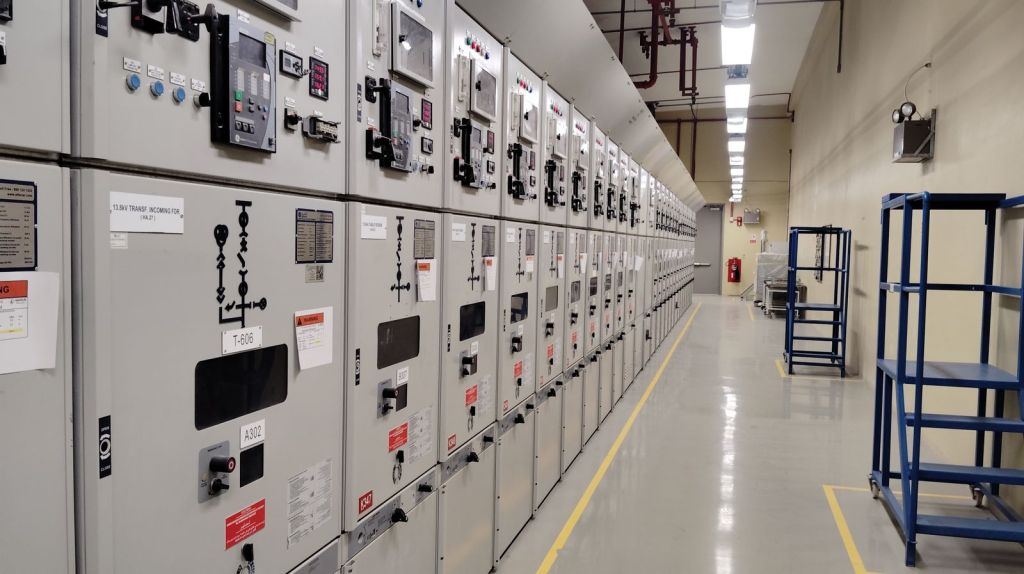
A run of storage-specific tenders across emerging markets marks a change of gear. Where earlier procurements bundled batteries into solar projects or ran them as pilots, the latest rounds are buying storage as a distinct asset class with its own technical specifications, contract terms and evaluation criteria.
The drivers are practical. Grid operators facing rapid solar growth need evening capacity and fast frequency response; island systems need reserves that do not depend on imported fuel; and several markets have adopted storage targets that now require a delivery mechanism.
The tenders differ in structure. Some procure capacity on availability contracts; others buy tolling arrangements where the operator dispatches the asset; and a few are testing merchant-plus-floor models. Bidders should expect the mix to keep evolving as regulators learn what attracts competitive offers.
Common threads in the qualification criteria include minimum discharge duration, cycle-life warranties, safety certification and local-content commitments. Delivery timelines are short by infrastructure standards, which favours bidders with equipment secured and grid connections in hand.
The scale of the pipeline is drawing international bidders alongside regional developers. That competition is good for pricing but raises the bar on execution — the tenders that succeed will be the ones whose winners actually build.
Background: how storage tenders are structured
Grid-storage tenders in emerging markets typically procure capacity under long-term availability contracts with the utility dispatching the asset — the structure explained in our guide What is a BESS tender?. Rounds have grown from tens to hundreds of megawatts, and hybrid solar rounds now require storage. The IEA, IRENA and the World Bank’s ESMAP programme document the acceleration.
What to watch
- Revenue rules — ancillary-service payments and capacity mechanisms.
- Bankability terms — warranty and degradation and safety codes.
- Country pipelines in South Africa, the Philippines, Egypt and Zambia.
- Connection timelines, governed by transformer lead times.
What it means for suppliers to utilities and OEMs
Tenders qualify integrators, cell and PCS suppliers and balance-of-system vendors against written specifications, with certificates to IEC 62619, IEC 62933 and UL 9540A and long-term service commitments scored. Follow rounds on our storage page.
Sources and further reading
- IEA — Batteries and Secure Energy Transitions — storage outlook
- IRENA — Energy storage — technology briefs
- ESMAP — Energy Storage Program — World Bank storage programme
- IPP Office South Africa — battery storage procurement
This article was researched and written by the EnergiTech Media editorial team and last reviewed in August 2026. We update country and sector guides as tenders, plans and regulations change. Spotted something out of date? Email support@energitechmedia.com.

 EnergiTech Media