
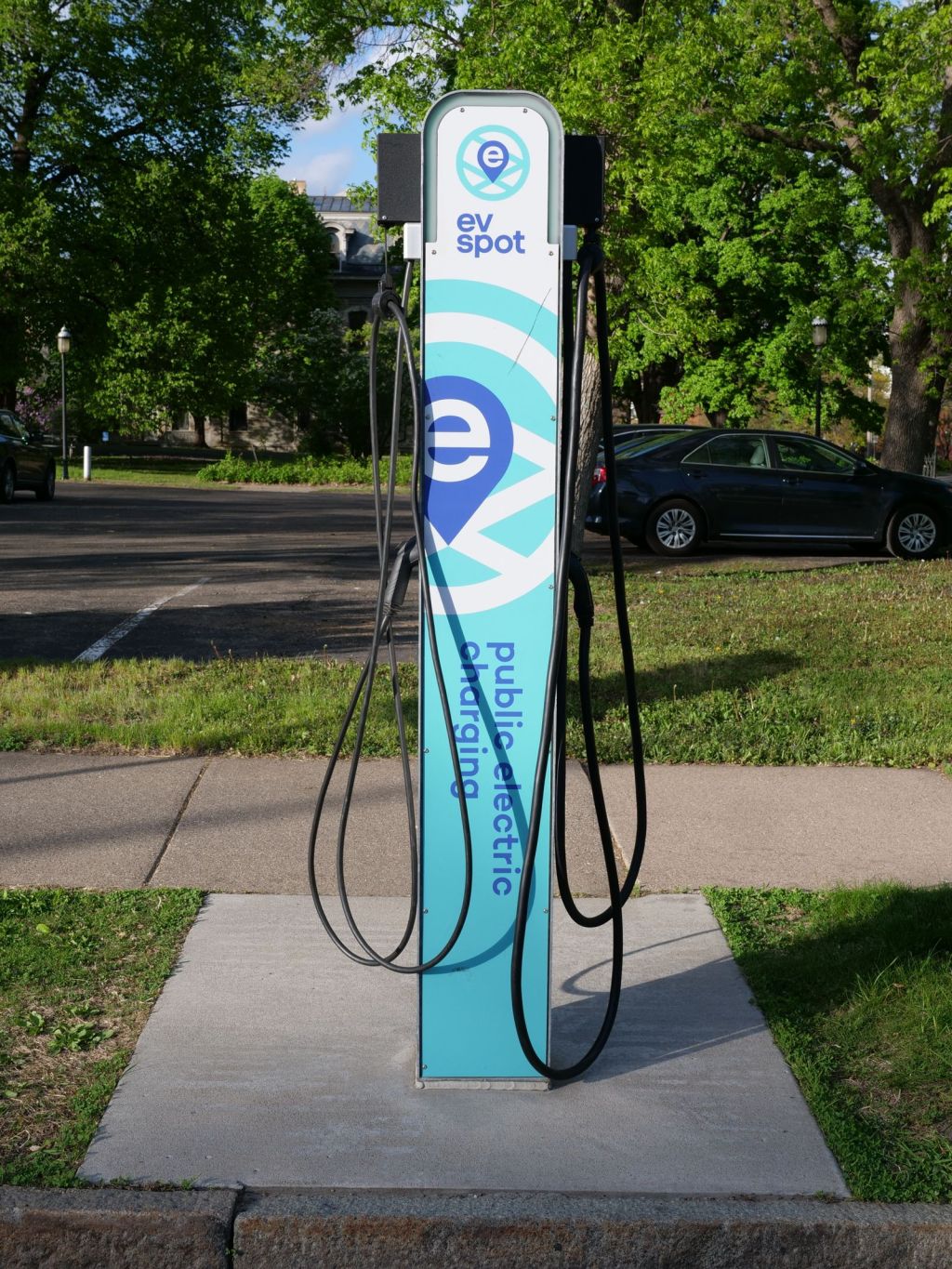
Low- and medium-voltage networks in emerging-market cities are becoming the constraint on electric-vehicle charging and rooftop solar, as feeders and distribution transformers designed for modest one-way loads meet clustered charging and reverse flows.
Distribution utilities are responding with hosting-capacity studies, targeted reinforcement, smart-charging rules and time-of-use tariffs — and by asking for far more data from their networks.
The scale of the task
Distribution investment needs are large and diffuse: thousands of transformers, kilometres of cable, new substations in dense areas and protection upgrades. Depot charging for buses and trucks, as we report separately, concentrates load in ways planners must anticipate.
What suppliers should note
Distribution transformer and cable demand is rising alongside the better-known transmission squeeze; monitoring, metering and smart-charging platforms are procured together with hardware. Read our grid and transformer lead-time coverage.
Background: the last mile was built for a different grid
Distribution networks in most emerging markets were designed for modest, one-directional residential and commercial demand, often decades ago and frequently under-maintained. Three trends are now stressing them simultaneously: rooftop and commercial solar pushing power back up feeders at midday; electric two-wheelers, cars and bus depots adding concentrated evening load; and rising cooling demand from a hotter, richer, more urban population. The result is voltage excursions, overloaded distribution transformers, longer outages and, in the worst cases, feeders that cannot accept new connections at all. The IEA estimates that distribution accounts for the majority of the grid investment needed globally this decade, and the World Bank and regional banks are financing large distribution programmes.
The scale of the task, in more detail
- Transformer replacement and upsizing: the most common intervention, and one exposed to lead-time pressures.
- Feeder reconductoring and new substations to raise capacity in dense urban areas.
- Voltage regulation: on-load tap changers, capacitor banks and smart inverter settings.
- Sensing and automation: the distribution visibility needed to target investment.
- Loss reduction: technical and commercial loss programmes that free up capacity without new steel.
What it means for suppliers to utilities and OEMs
Distribution reinforcement is a high-volume equipment market — distribution transformers, cables and conductors, switchgear, poles, meters, reclosers, sensors — procured through framework contracts and development-bank programmes, often with local manufacturing preferences. It also drives services: network studies, hosting-capacity analysis, planning software and construction. Suppliers should track distribution utility investment plans on our grid reliability page and prepare for the qualification requirements described in How to sell to utilities in emerging markets.
Quick answers
Why is distribution the bottleneck for EVs and rooftop solar?
Because both connect at the low- and medium-voltage level, where networks were sized for modest one-way demand and utilities have the least visibility.
What does distribution reinforcement involve?
Upsizing transformers, reconductoring feeders, adding substations, installing voltage regulation and deploying sensors and automation.
Sources and further reading
- IEA — Electricity Grids and Secure Energy Transitions — distribution investment needs
- World Bank — Energy — distribution programmes
- African Development Bank — Energy — distribution financing in Africa
- EnergiTech Media — Power transformer lead times explained — equipment context
This article was researched and written by the EnergiTech Media editorial team and last reviewed in August 2026. We update country and sector guides as tenders, plans and regulations change. Spotted something out of date? Email support@energitechmedia.com.

 EnergiTech Media
Leave a comment