
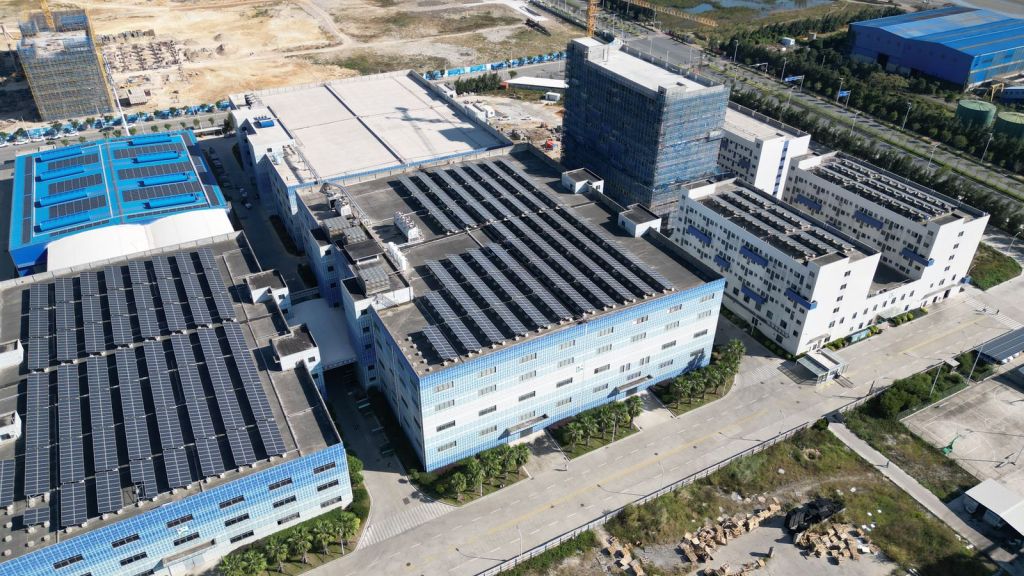
Commercial and industrial solar — on factory roofs, warehouses, mines and industrial estates — is growing fast enough in several emerging markets to reshape the daytime load utilities see, with knock-on effects for tariffs, network planning and generation dispatch.
The drivers are simple: unreliable or expensive grid supply, falling equipment costs, and corporate decarbonisation targets. Where net-metering or wheeling rules exist, the growth is faster still.
The utility view
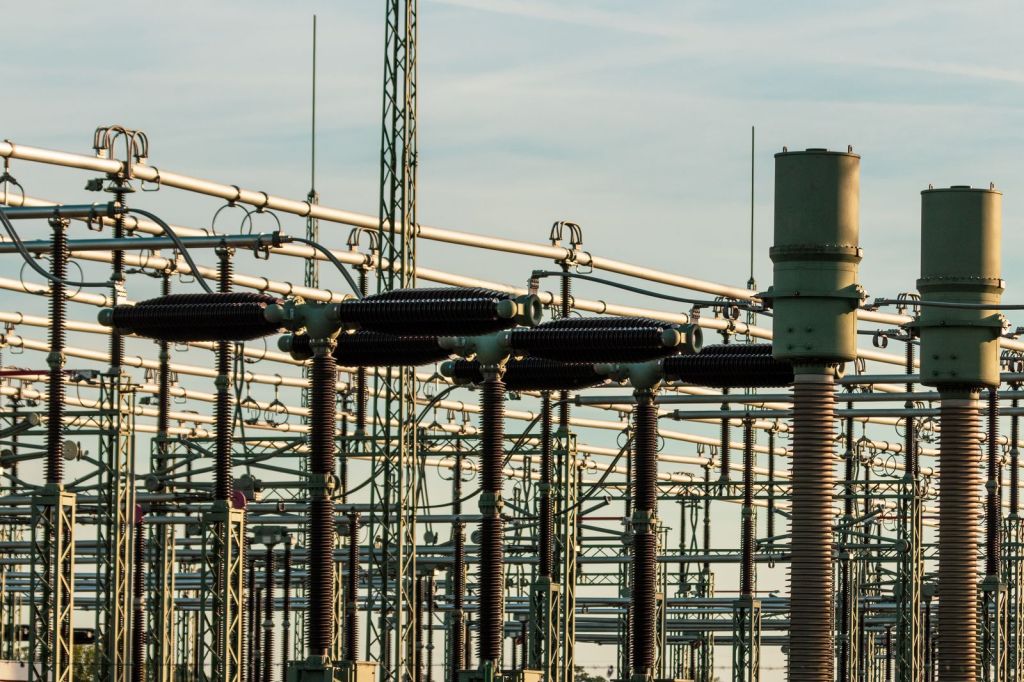
Lower daytime sales erode revenue while evening peaks remain, so regulators are revisiting tariff structures, fixed charges and net-metering terms; distribution operators face reverse flows on feeders designed for one-way power. Our Nigeria and South Africa guides show two versions of the trend.
What suppliers should note
The distributed market is served by local EPCs buying modules, inverters, mounting and increasingly batteries in volume; utilities, meanwhile, need distribution monitoring, smart meters and reinforcement. Both channels are growing.
Follow the story in our renewables and grid sections.
Background: solar behind the meter is now big enough to matter
Commercial and industrial rooftop solar has grown from a niche into a material share of daytime supply in several emerging markets. Falling module prices, net-metering or net-billing rules, unreliable grid supply and rising tariffs made the case for factories, malls, hospitals and offices to generate their own daytime power. In South Africa private rooftop and ground-mount capacity now runs to several gigawatts, Nigeria’s commercial solar market has grown around chronic grid shortfalls, and similar trends are visible in Vietnam, Thailand, the Philippines, Kenya and Egypt. The IEA and IRENA both flag distributed PV as one of the fastest-growing segments globally.
For utilities, the effect is a flattening or dip in midday demand followed by a steeper evening ramp — the same shape that is reshaping utility-scale solar tenders — plus lost revenue from their most valuable customers.
The utility view, in more detail
- Revenue and tariff design. Utilities and regulators are moving from net metering to net billing and time-of-use tariffs to reflect the true value of midday exports; see tariff reform returns to the agenda.
- Visibility. Most rooftop systems are invisible to control rooms, prompting investment in distribution-level sensing and smart metering.
- Hosting capacity. Feeders with heavy rooftop penetration hit voltage limits, driving distribution reinforcement.
- Storage pairing. Time-of-use tariffs and export limits push customers toward behind-the-meter batteries.
What it means for suppliers to utilities and OEMs
Distributed solar is a two-sided market. On the customer side, module, inverter, mounting and monitoring suppliers sell through installers and EPCs on commercial terms. On the utility side, demand grows for smart meters, distribution automation, voltage regulation, hosting-capacity analysis and DER management platforms — largely procured through utility tenders and increasingly with cybersecurity requirements. Both sides are tracked on our renewables and grid reliability pages.
Quick answers
Why does rooftop solar worry utilities?
It cuts daytime sales to their best-paying customers, steepens the evening ramp and creates voltage problems on feeders the utility cannot see.
What is net billing?
A tariff under which exported solar energy is credited at a set export rate rather than at the full retail tariff, replacing one-for-one net metering.
Sources and further reading
- IEA — Solar PV — distributed PV outlook
- IRENA — Solar energy — technology and cost data
- Eskom — private generation data for South Africa
- World Bank — Energy — distributed energy and utility reform
- EnergiTech Media — Energy infrastructure in Nigeria — country guide
This article was researched and written by the EnergiTech Media editorial team and last reviewed in August 2026. We update country and sector guides as tenders, plans and regulations change. Spotted something out of date? Email support@energitechmedia.com.



 EnergiTech Media
Leave a comment