
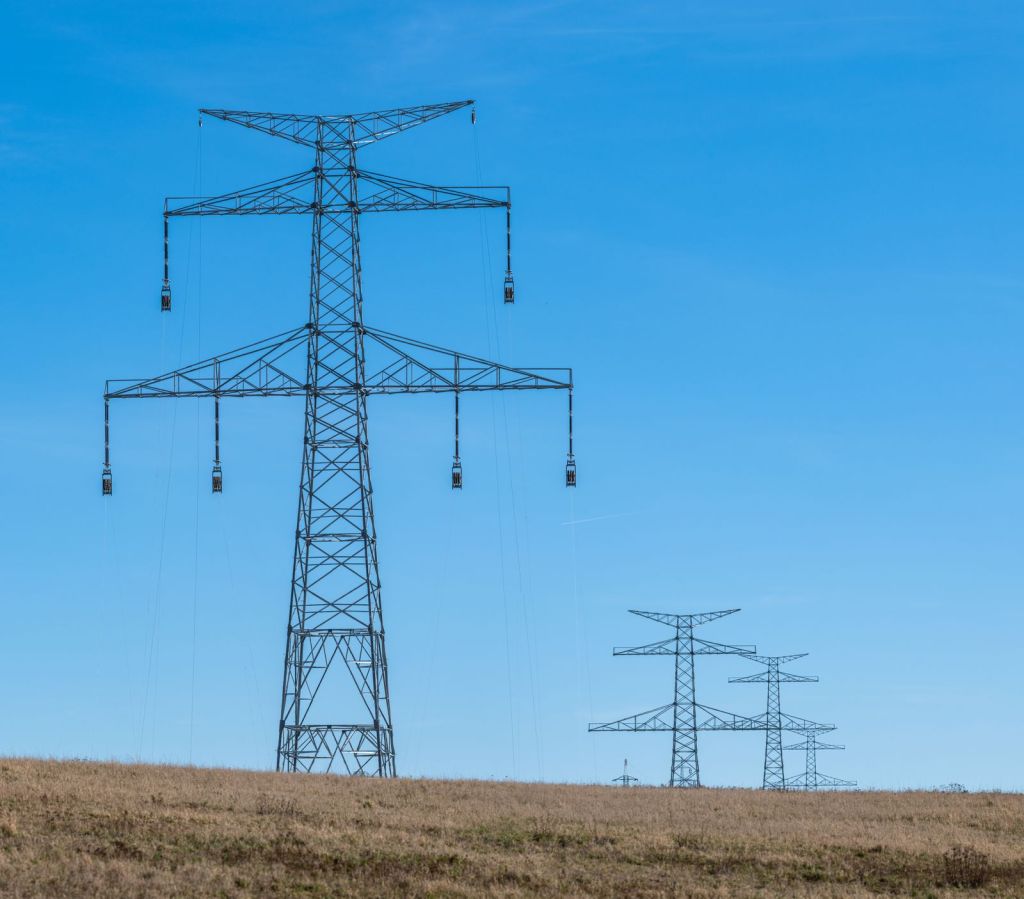
Cross-border transmission has long been discussed in growth markets and slowly delivered. That is starting to change, and the reason is a shift in how regulators frame the projects. Interconnectors are increasingly justified as reliability infrastructure that lets neighbouring systems share reserves and smooth variable output, rather than as commercial trade routes that need a bankable power purchase agreement before construction.
The practical effect is faster approvals. Reliability projects can be assessed against system-security criteria and funded from network tariffs or concessional facilities, which avoids the multi-year negotiation of bilateral supply contracts that stalled earlier schemes.
Regional power pools are central to this. Where a pool has an operational market and harmonised grid codes, new links can be planned against a shared adequacy assessment. Where it does not, projects still tend to move at the pace of the slowest partner.
For developers and equipment suppliers, the shift changes the buyer and the timeline. Transmission companies and pool operators become the counterparties, and procurement follows public-investment rules rather than independent-power-producer templates. Lead times for high-voltage equipment remain the practical constraint, and several planned schemes are already sequencing orders ahead of final approval.
The open question is governance: who dispatches a shared line during a shortage, and how curtailment is allocated. Markets that answer that clearly will attract capital first.
Background: reliability as the justification
Framing interconnectors as reliability assets follows practice in Europe and North America, where transmission planners justify links on system-adequacy and resilience benefits and recover costs through regulated network tariffs. In the Southern, Eastern and West African power pools and in the ASEAN grid programme coordinated by the ASEAN Centre for Energy, regional master plans now assess links against shared adequacy criteria, and lenders including the World Bank and the African Development Bank fund them accordingly.
What to watch
- Pipeline and financing milestones — see interconnector projects accelerate and cross-border transmission financing.
- Harmonised grid codes and market rules that let power flow across borders, including wheeling and open access.
- HVDC and converter technology for long, asynchronous links, and the transformers and reactors on the critical path.
- Country plans in Ethiopia, Kenya, Laos and Mozambique, where exports are central to strategy.
What it means for suppliers to utilities and OEMs
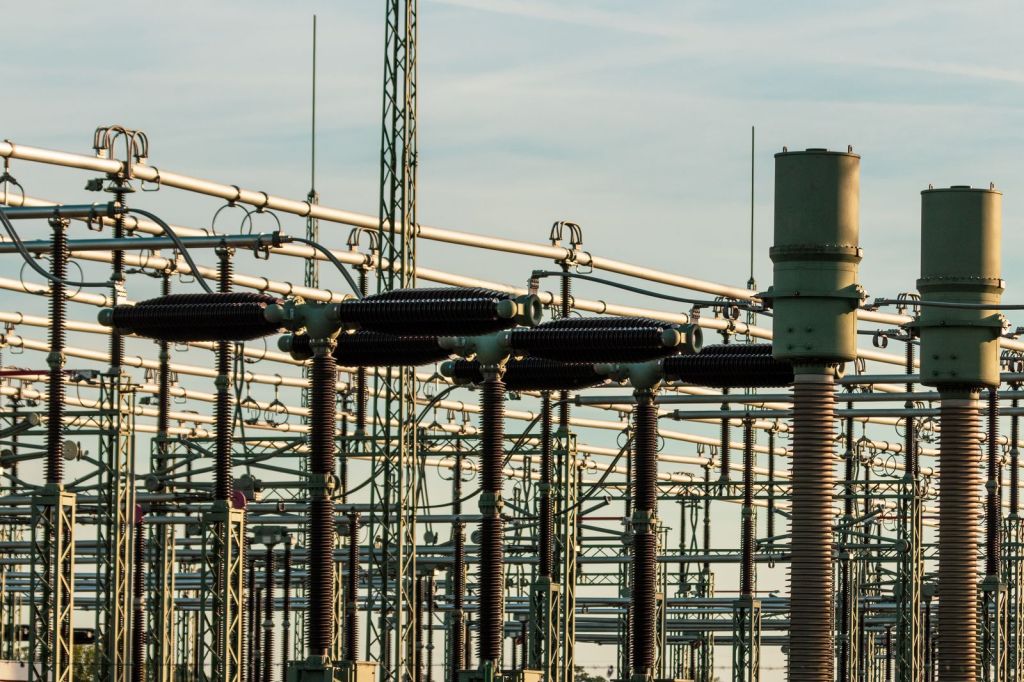
Faster approvals bring forward procurement of substations, converter stations, protection and control, telecoms and metering. Contracts usually follow development-bank rules and require experience with cross-border projects and IEC 61850 interoperability. Follow tenders on our grid reliability page and read the Africa and Southeast Asia overviews for regional context.
Sources and further reading
- Southern African Power Pool — regional planning and trade
- West African Power Pool — regional master plan
- Eastern Africa Power Pool — regional market
- ASEAN Centre for Energy — ASEAN Power Grid
- World Bank — Energy — regional transmission financing
This article was researched and written by the EnergiTech Media editorial team and last reviewed in August 2026. We update country and sector guides as tenders, plans and regulations change. Spotted something out of date? Email support@energitechmedia.com.



 EnergiTech Media