

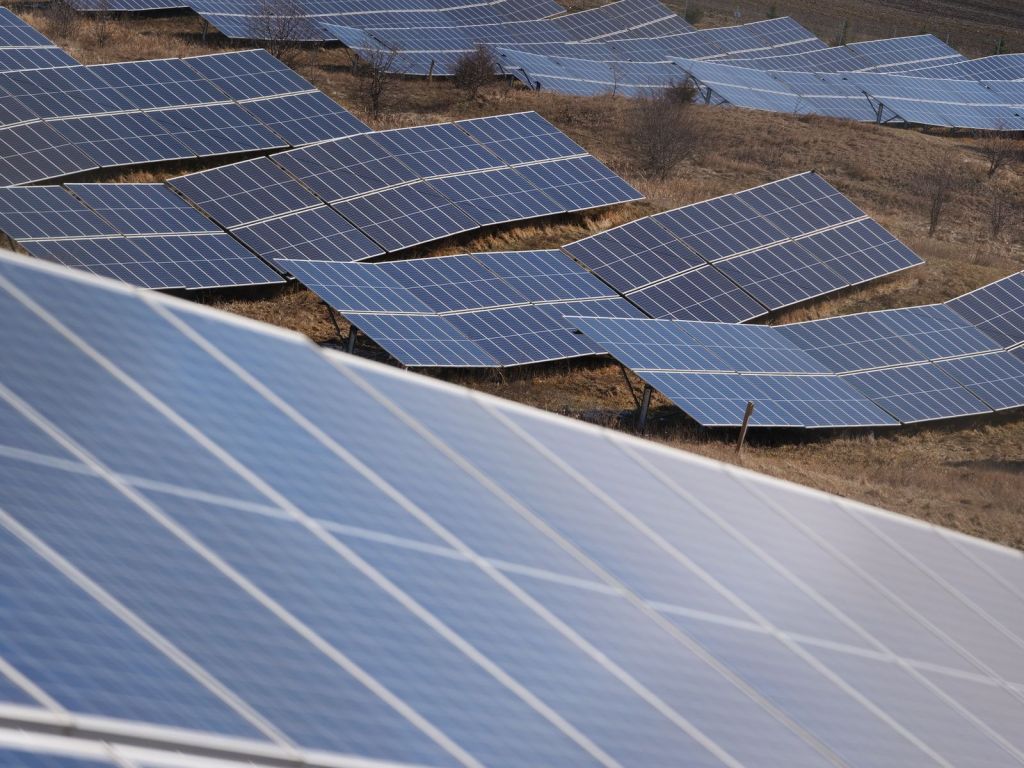
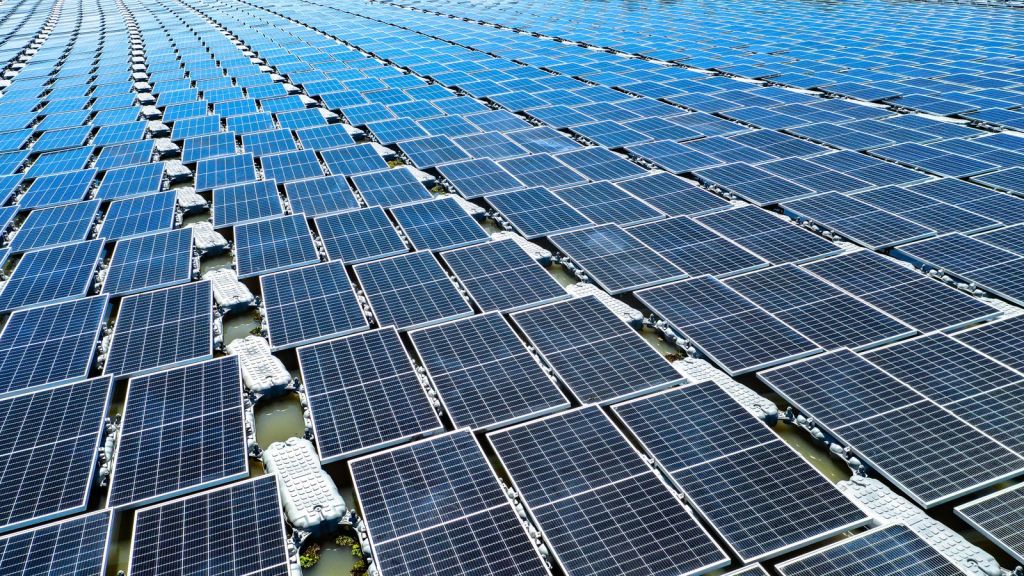
The most recent large renewable tender rounds in emerging markets show a decisive shift towards hybrid bids. Developers are pairing solar with battery storage to offer firm output into the evening peak, and buyers are rewarding that with contract structures that value delivered energy over installed capacity.
The change reflects lessons from earlier rounds, where solar-only projects delivered cheap daytime power that the system struggled to absorb while evening shortages persisted. Buyers now specify a delivery profile and let bidders decide how to meet it.
For developers, hybrid bidding raises complexity and capital requirements but reduces curtailment risk and opens capacity-payment revenue. It also favours bidders with storage procurement experience, which is reshaping the competitive field.
Evaluation criteria in these rounds weight bankability heavily: sponsor track record, equipment warranties, and evidence of grid-connection progress. Price still matters, but rounds are increasingly designed to avoid winners who cannot close.
The takeaway for the market is that solar and storage are being procured as one product. Suppliers, financiers and advisors that still treat them as separate deals will find themselves on the wrong side of the tender documents.
Background: why hybrids win
Hybrid bids succeed because tender designs increasingly value delivered evening energy and firm capacity rather than the cheapest midday megawatt-hour — a shift covered in solar tenders reward evening delivery and storage co-location becomes a condition. Falling battery prices, documented by the IEA and IRENA, make the storage component affordable, and hybrids reduce curtailment exposure.
What to watch
- Sizing rules and scoring for storage in solar rounds.
- Warranty, safety and grid-code requirements for the battery block — see BESS warranty terms, battery safety codes and grid codes rewritten.
- Country rounds in South Africa, Morocco, Egypt and the Philippines.
What it means for suppliers to utilities and OEMs
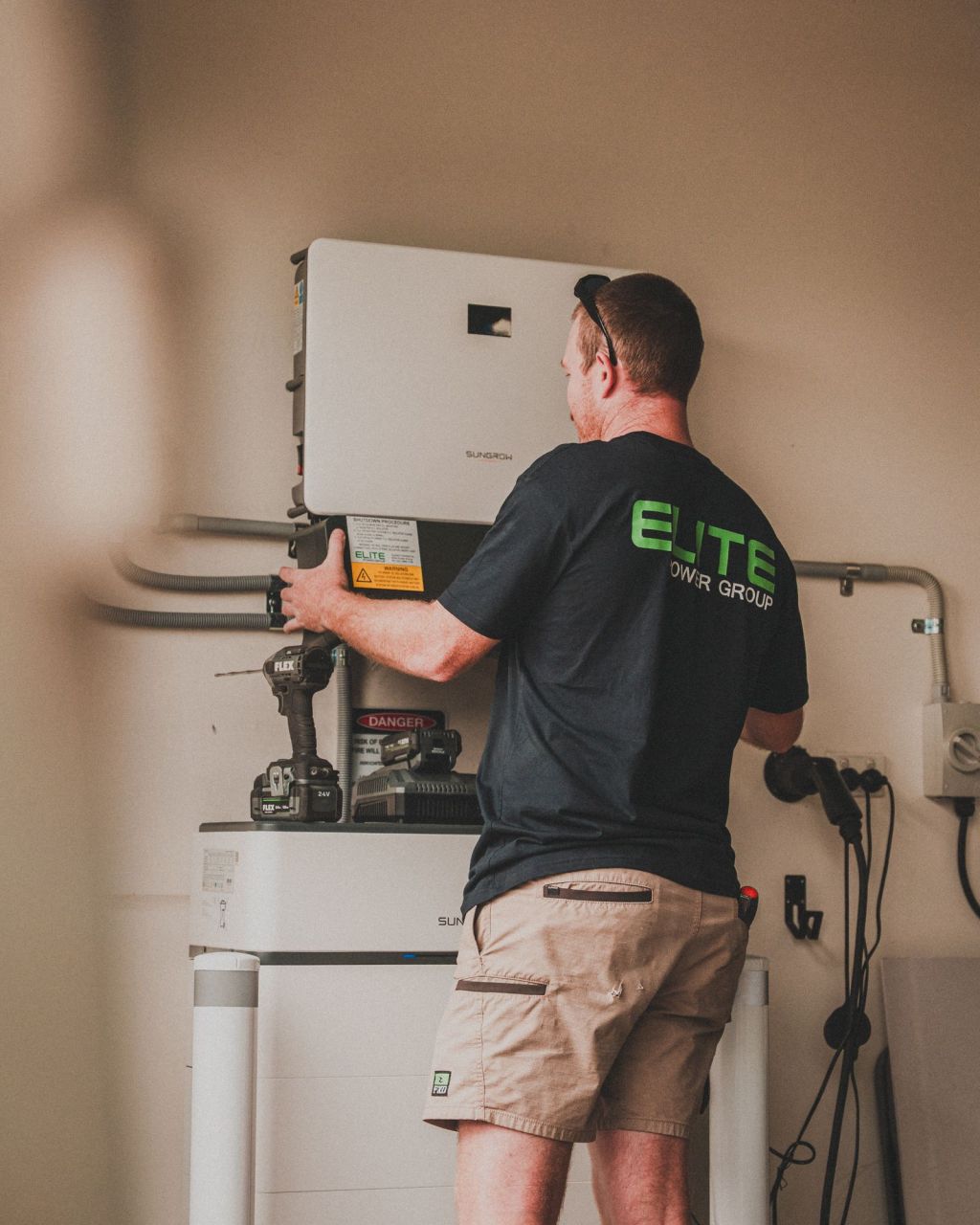
Hybrid tenders bring storage suppliers into solar bid teams and reward integrated, pre-engineered solar-plus-storage blocks, hybrid inverters and plant controllers. Follow rounds on our renewables and storage pages.
Sources and further reading
- IEA — Batteries and Secure Energy Transitions — storage economics
- IRENA — Energy storage — technology briefs
- World Bank — Energy — hybrid tender support
This article was researched and written by the EnergiTech Media editorial team and last reviewed in August 2026. We update country and sector guides as tenders, plans and regulations change. Spotted something out of date? Email support@energitechmedia.com.

 EnergiTech Media