
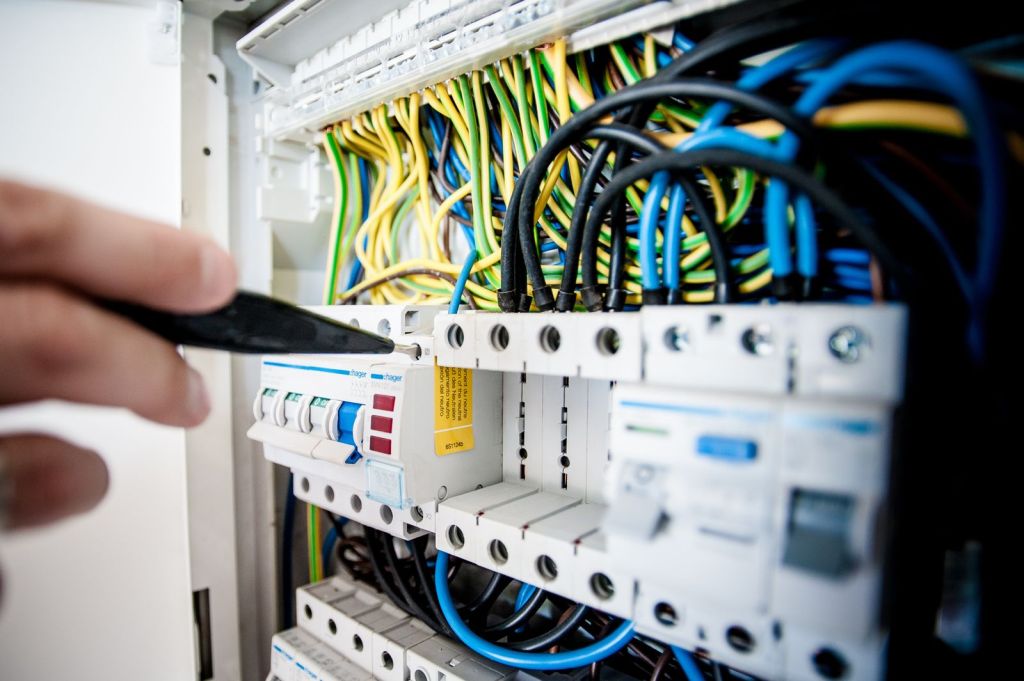
Safety codes for battery energy storage are being adopted and tightened across emerging markets, as regulators, utilities and insurers respond to a fast-growing fleet of grid-scale and behind-the-meter installations.
Requirements increasingly reference international fire-safety and testing standards, mandate spacing, ventilation, thermal-runaway detection and suppression, and require certified installers and commissioning procedures.
Why it matters now
Early projects were approved case by case; volume procurement needs standard rules, and insurers and lenders demand them. Utilities are writing safety requirements into tender specifications and connection agreements.
Supplier implications
Certification to recognised standards, documented test results and trained local service teams are becoming entry requirements rather than differentiators. Read our storage coverage.
Background: a fast-growing fleet, an evolving rulebook
Battery installations in emerging markets have grown from a few megawatts to gigawatt-scale pipelines in a handful of years, faster than local fire, building and electrical codes have adapted. Thermal runaway incidents in mature markets — including well-documented fires in South Korea, Australia and the United States — prompted a wave of standards work: NFPA 855 for installation, UL 9540 and UL 9540A for system safety and fire-propagation testing, and the IEC 62933 series internationally. Many emerging-market regulators are now adopting or referencing these, and lenders and insurers demand compliance regardless of local law.
Why it matters now, in more detail
- Scale: standalone tenders of hundreds of megawatts multiply the consequences of a design flaw.
- Insurance and finance: insurers price risk on certification and separation distances; lenders write warranty and safety conditions into loans.
- Siting: batteries at substations, industrial estates and behind the meter sit close to people and critical assets.
- Local capacity: fire services and inspectors need training and equipment for lithium incidents.
What it means for suppliers to utilities and OEMs
Safety certification is becoming a gate to market entry: containers and enclosures, fire detection and suppression, gas venting and deflagration protection, thermal management and battery management systems all need test evidence, and integrators must show system-level UL 9540A or equivalent results. Suppliers of fire-safety equipment, monitoring and training services gain a distinct market. Utilities issuing BESS tenders increasingly list required standards explicitly — track the requirements on our storage page.
Quick answers
Which safety standards apply to grid batteries?
NFPA 855 and UL 9540/9540A in North American practice, IEC 62933 and IEC 62619 internationally, plus local fire and electrical codes that increasingly reference them.
Why are emerging markets updating battery safety codes now?
Because fleets are growing quickly, and lenders and insurers require recognised standards before financing large projects.
Sources and further reading
- NFPA 855 — installation standard for stationary storage
- UL 9540A test method — fire-propagation testing
- IEC 62933 series — international storage safety standards
- IEA — Batteries and Secure Energy Transitions — fleet growth
This article was researched and written by the EnergiTech Media editorial team and last reviewed in August 2026. We update country and sector guides as tenders, plans and regulations change. Spotted something out of date? Email support@energitechmedia.com.



 EnergiTech Media
Leave a comment