
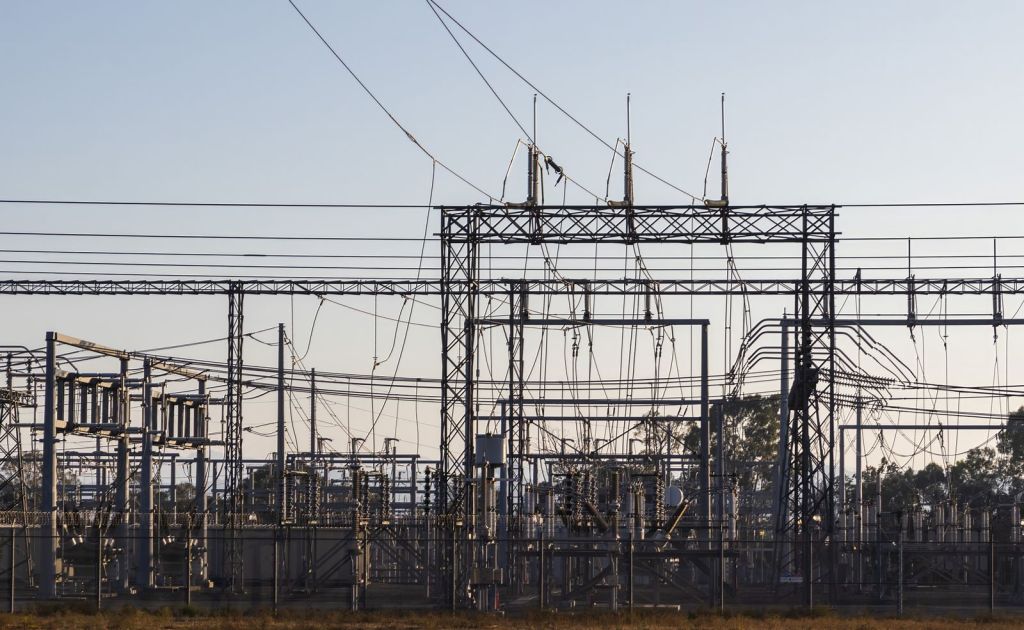
Ask an interconnection engineer what delays projects most and the answer, increasingly, is the transformer. Large power transformers — the machines that step voltage up and down at substations — have become the pacing item for grid reinforcement, renewable connections and industrial loads across emerging markets. This guide explains why, and what buyers can do.
Why have transformer lead times grown?
Global grid build-out, renewables connections, data-centre and industrial demand, and the replacement of ageing fleets in mature markets have all arrived at once, and manufacturing capacity for large units — with their specialised electrical steel, copper windings and testing facilities — expands slowly. Delivery times for large units that were once measured in months are now commonly quoted in years, and smaller distribution transformers have also tightened at times. Our grid section tracks the market.
Why does it matter more in emerging markets?
Because so much of the pipeline is new capacity rather than replacement: every solar park, wind farm, storage plant, interconnector and industrial estate needs transformers, and utilities often lack the strategic spares that mature systems hold. A single delayed unit can strand a completed generation project — a costly outcome under take-or-pay or availability contracts.
How are utilities and developers responding?
- Ordering long-lead equipment before financial close, sometimes with reservation fees
- Standardising specifications so units can be reallocated between projects
- Framework agreements with manufacturers for multi-year volumes
- Holding strategic spares and pooling them regionally
- Considering refurbishment, mobile substations and modular designs to bridge gaps
What is happening on the supply side?
Manufacturers in Asia, Europe, the Middle East and Africa are expanding, and new regional plants and assembly facilities are being announced to serve local demand — an opportunity for component suppliers to those OEMs, from cores and windings to bushings, tap changers and monitoring systems. Localisation policies in several markets add momentum. Read our wider procurement coverage.
What should buyers do now?
Treat transformers as strategic procurement rather than a line item: engage manufacturers early, lock in slots, standardise, and specify monitoring so units can be run harder safely. Suppliers, in turn, should be transparent about capacity and lead times — buyers plan around honest dates.
The numbers behind the squeeze
Grid investment is rising worldwide: the IEA estimates that global grid spending must roughly double by 2030 to keep pace with renewables, electrification and demand growth, and transformers are the single most constrained item in that build-out. Grain-oriented electrical steel — produced by a small number of mills — copper windings, bushings and tap-changers, and the specialised test bays needed for large units all limit how fast factories can expand. Manufacturers have announced new capacity in North America, Europe, India, Türkiye, Vietnam and elsewhere, but new lines take two to three years to commission, so relief is gradual. Our news story on transformer lead times stretching tracks the latest quotes and announcements.
What it means project by project
- Utility-scale solar and wind: the grid-connection transformer is now ordered alongside modules or turbines, and tenders — see solar tenders reward evening delivery — increasingly ask for evidence of long-lead orders.
- Storage: standalone battery tenders specify substation bays, so transformer availability sets the commercial operation date.
- Interconnectors and transmission: regional links need the largest units and the longest lead times.
- Distribution: reinforcement programmes rely on high volumes of distribution transformers, where lead times have also grown.
Standards, specification and qualification
Power transformers are specified to the IEC 60076 series (or IEEE C57 in some markets), with utility-specific technical schedules covering losses, impedance, cooling, bushings, tap-changers and monitoring. Standardising those schedules across a utility’s fleet — fewer ratings, common accessories — is the fastest way to shorten lead times, and technical guidance from CIGRE supports it. Qualification usually requires type-test reports from accredited laboratories, factory audits and references, and utilities are now asking manufacturers to disclose sub-supplier capacity for steel, bushings and tap-changers. Local assembly can shorten delivery and satisfy local-content rules, while refurbishment and condition monitoring extend the life of existing units. See our guide to How to sell to utilities in emerging markets for the qualification process.
Key takeaways
- Transformer lead times, not permits, increasingly pace grid and renewables projects
- Demand from grid build-out, renewables and industry has outrun manufacturing capacity
- Early ordering, standard specs, framework deals and strategic spares are the standard responses
- Regional manufacturing growth creates openings for component suppliers to OEMs
Sources and further reading
- IEA — Electricity Grids and Secure Energy Transitions — grid investment and supply-chain analysis
- CIGRE — technical guidance on transformers
- IEC 60076 series — power transformer standards
- IEEE C57 standards — North American transformer standards
- World Bank — Energy — transmission financing
- EnergiTech Media — Transformer lead times stretch — latest news
This article was researched and written by the EnergiTech Media editorial team and last reviewed in August 2026. We update country and sector guides as tenders, plans and regulations change. Spotted something out of date? Email support@energitechmedia.com.
Subscribe to Emerging Energy Weekly — our March 2027 focus month is dedicated to power transformers.




 EnergiTech Media
Leave a comment