
The case for utility-scale batteries in growth markets is being made on reliability rather than energy trading. Where mature markets built their first storage fleets around price arbitrage and frequency response, operators in growth markets are specifying batteries to ride through supply interruptions, firm up solar output and defer expensive network reinforcement.
That difference matters for how projects are designed. Reliability-led storage tends to be sized for longer durations, sited close to load rather than generation, and contracted on availability terms instead of merchant revenue. It also changes who buys: utilities and large industrial users, rather than independent traders.
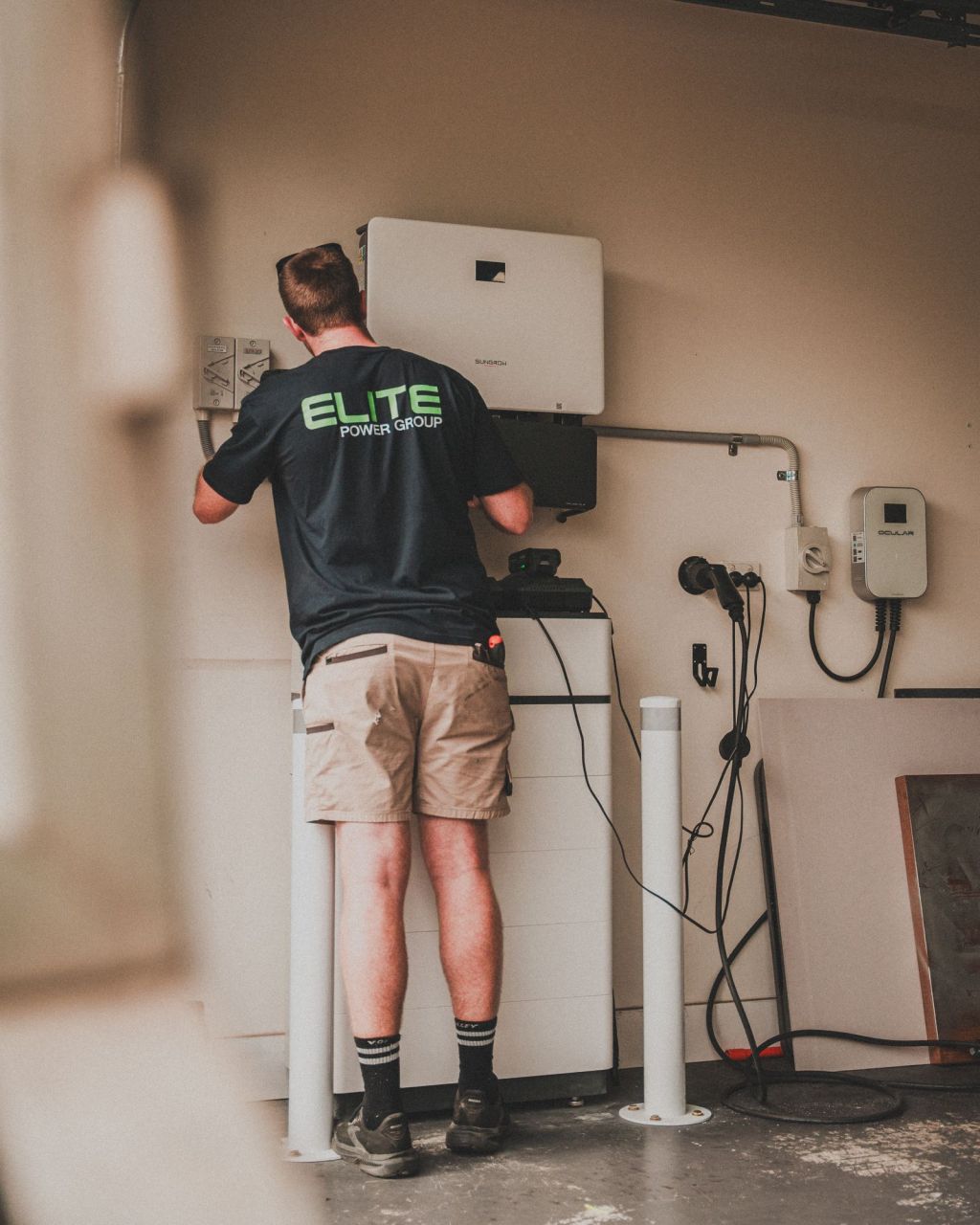
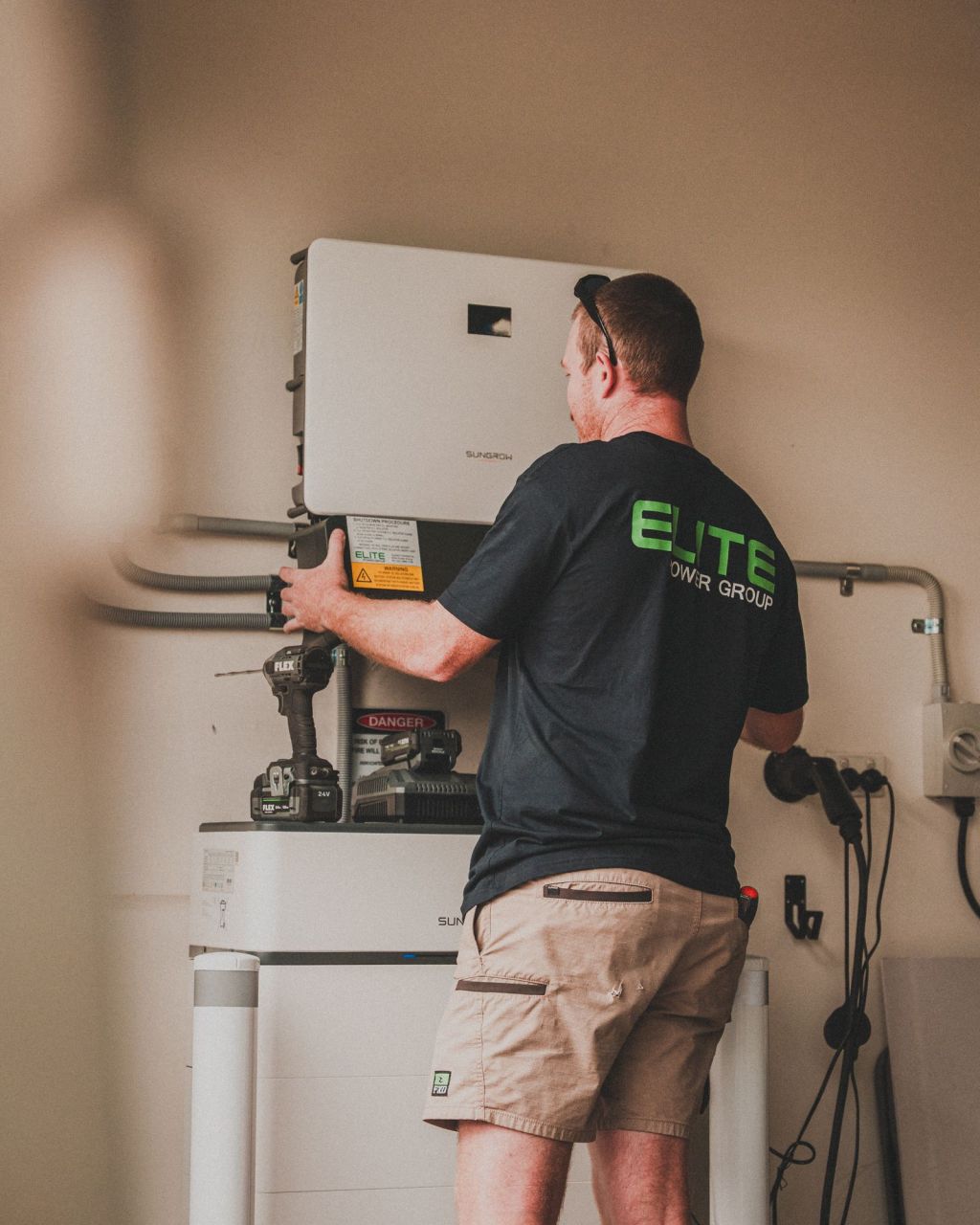
Recent procurement rounds show batteries appearing in three configurations. Co-located with solar to shift output into the evening peak; standalone at substations to manage constraints; and behind the meter at mines, factories and data centres that cannot tolerate outages. The third category is growing fastest, and is often the entry point for suppliers into a new market.
Financing remains the constraint. Lenders are still building comfort with degradation, warranty and end-of-life assumptions, and few markets have tariff structures that pay explicitly for the services storage provides. Where projects are closing, they usually combine a capacity payment with a concessional tranche or a guarantee.
The signal to watch is regulatory: several markets are consulting on ancillary-service payments and storage-specific licensing. When those land, the merchant case will start to work alongside the reliability one, and project pipelines will move accordingly.
Background: reliability-led storage in practice
The shift from arbitrage to reliability is visible in how tenders are written. Standalone battery tenders in South Africa, South Asia and Southeast Asia pay for availability and let the utility dispatch; solar-plus-storage rounds require firm evening output; and industrial estates are buying behind-the-meter batteries to ride through outages. The IEA, IRENA and the World Bank’s ESMAP storage programme all describe the same trend: storage in growth markets is grid infrastructure first and a trading asset second.
What to watch
- Contract and revenue design, including ancillary-service payments and capacity mechanisms.
- Warranty, degradation and safety terms that lenders require — see BESS warranty terms and battery safety codes.
- Longer durations and alternatives to lithium, as reliability duty grows — see long-duration storage pilots.
- Grid connection and transformer availability, which set commissioning dates — see transformer lead times.
What it means for suppliers to utilities and OEMs
Reliability-led procurement rewards system-level performance: availability, response, cycling capability and service support rather than lowest cell price. Integrators, PCS and EMS vendors, and suppliers of enclosures, HVAC and fire safety all qualify through the utility’s technical file — see What is a BESS tender?. Track tenders on our storage page.
Sources and further reading
- IEA — Batteries and Secure Energy Transitions — storage outlook
- IRENA — Energy storage — technology briefs
- ESMAP — Energy Storage Program — World Bank storage programme
- EnergiTech Media — What is a BESS tender? — procurement explainer
This article was researched and written by the EnergiTech Media editorial team and last reviewed in August 2026. We update country and sector guides as tenders, plans and regulations change. Spotted something out of date? Email support@energitechmedia.com.



 EnergiTech Media