
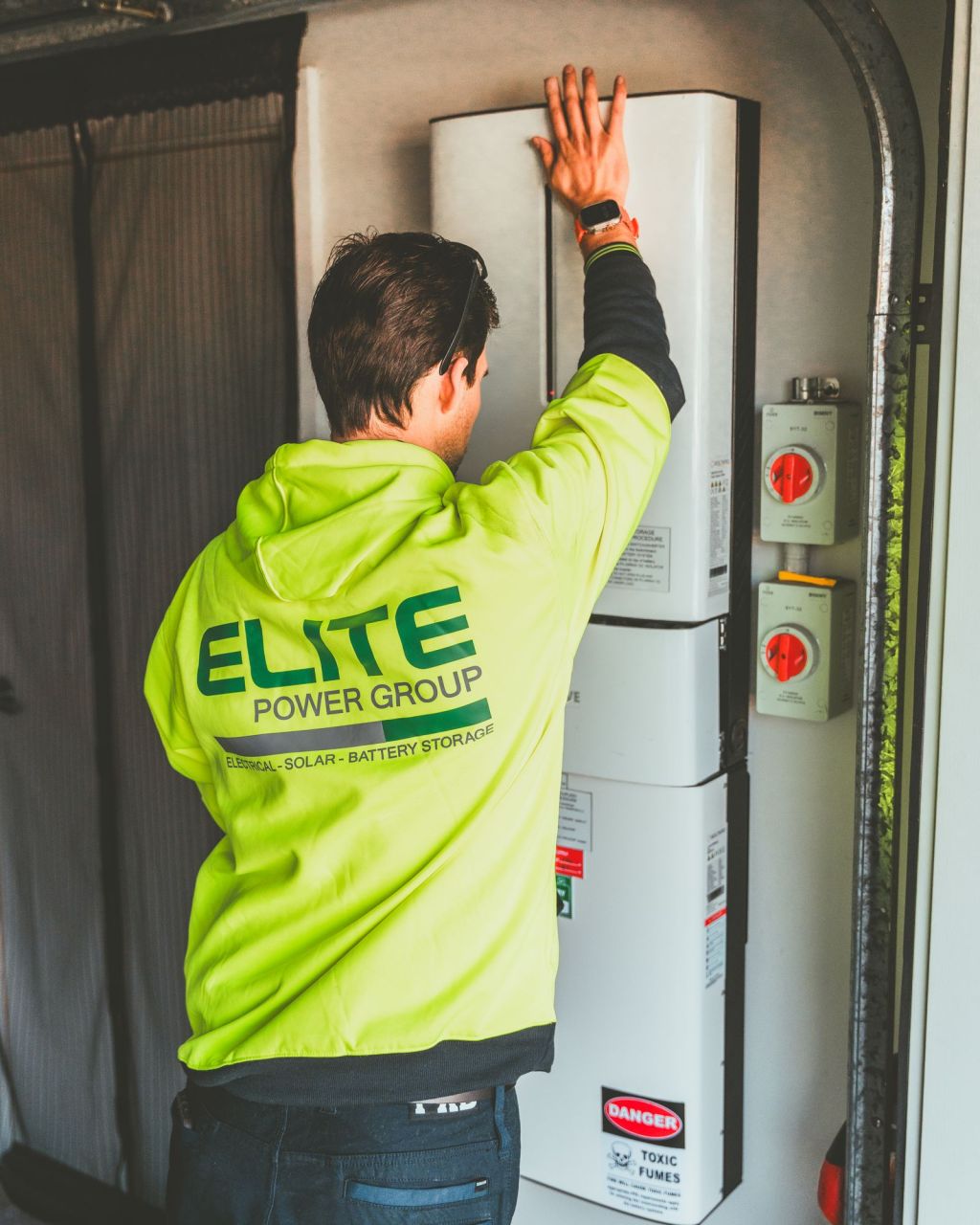
Pilots of long-duration energy storage — flow batteries, thermal and compressed-air systems, and new pumped-hydro schemes — are appearing in emerging markets as planners look beyond the two-to-four-hour lithium-ion batteries now standard in tenders.
The need is clear in systems with high solar shares, evening peaks that stretch for hours and seasonal or drought-driven shortfalls. What is less clear is cost, bankability and the procurement products that would pay for longer durations.
What is being tested
Flow batteries for daily multi-hour shifting; thermal storage paired with industrial heat and power; compressed-air and gravity systems where geology allows; and pumped hydro at existing dams and mines. Development banks are financing several demonstrations.
What suppliers should note
Early projects favour vendors able to offer performance guarantees and local support; standard tender templates for long duration are still being written, so early participants shape them. Read our storage coverage.
Background: what lithium-ion cannot do cheaply
Lithium-ion batteries dominate grid storage because their costs have fallen faster than any competitor and their supply chain is enormous. But their economics work best for one to four hours of discharge; the cost of adding hours rises almost linearly with cells, so eight-hour, twelve-hour or multi-day storage is expensive. As solar and wind shares climb, system operators need to move energy across evenings, cloudy days and seasons — the role hydro plays where geography allows. Long-duration energy storage (LDES) technologies — flow batteries, compressed and liquid air, gravity, thermal storage and pumped hydro — aim to fill that gap. The IEA, IRENA and the Long Duration Energy Storage Council all track the field.
Emerging markets are attractive test beds because their systems are growing, their solar resources are strong, and many face hydro drought risk or diesel dependence that LDES could reduce.
What is being tested, in more detail
- Flow batteries (vanadium and iron) for 6- to 12-hour duty, with pilots in South Africa, India and Southeast Asia.
- Pumped hydro, the incumbent LDES, with new projects and feasibility studies across Africa and Asia.
- Compressed and liquid air, thermal and gravity storage, at demonstration scale with development-bank or donor support.
- Hybrid procurement, where tenders specify duration and let technologies compete — an evolution of the BESS tender model.
What it means for suppliers to utilities and OEMs
LDES pilots create early demand for balance-of-plant equipment — power conversion, transformers, controls, civil works — that overlaps with lithium projects, and for engineering studies that place duration in system plans. Utilities running pilots typically want long-term service and performance guarantees, and lenders want independent technical review, so suppliers with strong test data and safety certification are best placed. Follow pilots and tenders on our storage page.
Quick answers
What is long-duration energy storage?
Storage able to discharge for eight hours or more — from flow batteries and pumped hydro to compressed air, thermal and gravity systems.
Why test long-duration storage in emerging markets?
Fast-growing, solar-rich systems with hydro or diesel dependence stand to gain most from cheap multi-hour or multi-day storage.
Sources and further reading
- IEA — Batteries and Secure Energy Transitions — storage outlook
- IRENA — Energy storage — technology briefs
- LDES Council — industry reports
- International Hydropower Association — Pumped storage — pumped hydro tracking
This article was researched and written by the EnergiTech Media editorial team and last reviewed in August 2026. We update country and sector guides as tenders, plans and regulations change. Spotted something out of date? Email support@energitechmedia.com.
 EnergiTech Media
Leave a comment