
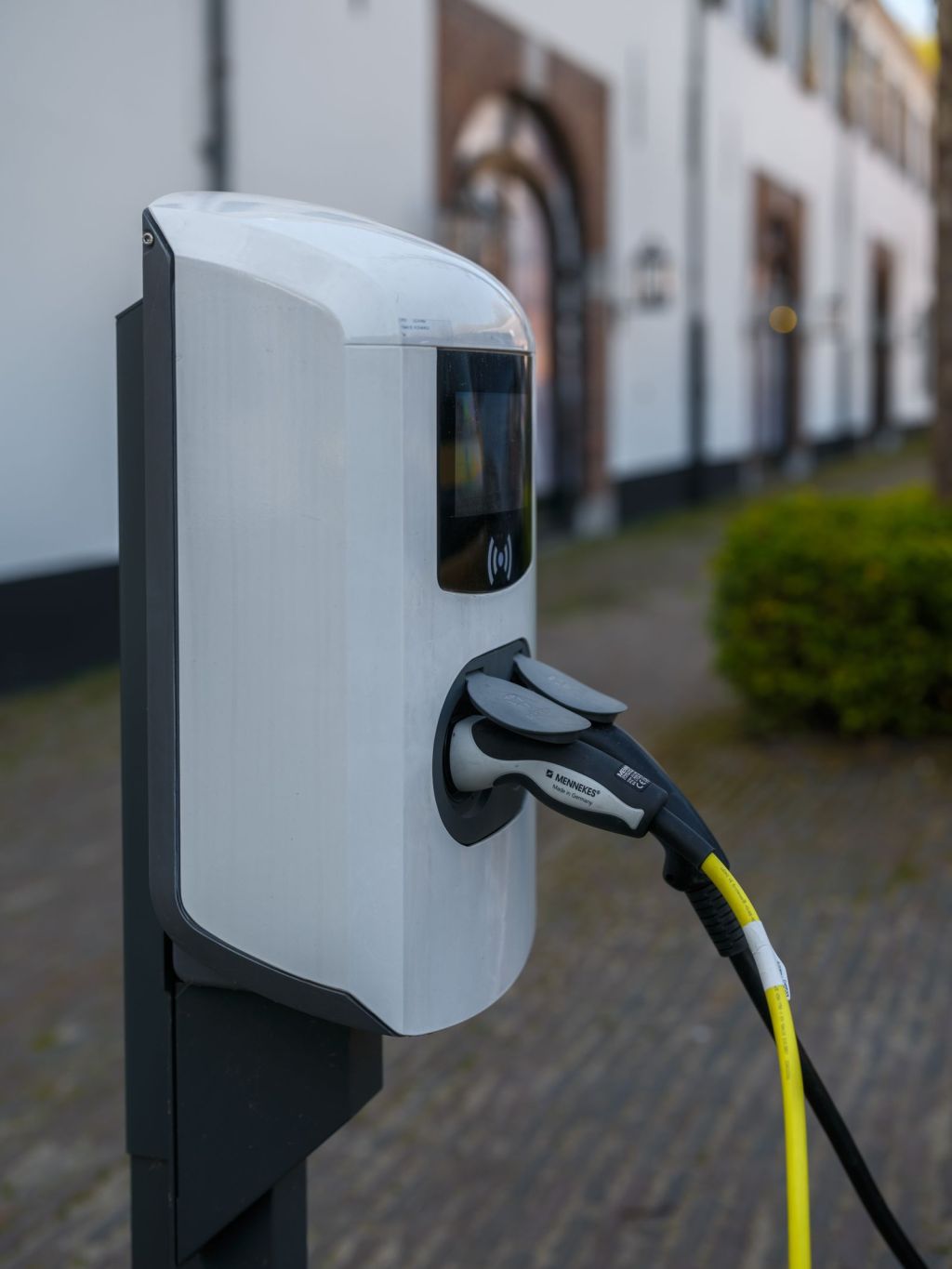
Electric-vehicle charging has arrived on the agenda of distribution operators in growth-market cities faster than most network plans anticipated. Fleet electrification — buses, ride-hailing and delivery vehicles — is concentrating demand into charging hubs that draw several megawatts each, and those hubs are appearing in parts of the network that were sized for residential and light-commercial load.
The result is a planning problem rather than an energy problem. Total electricity demand from vehicles remains small, but its shape is awkward: high power, clustered in space, and peaking in the evening when networks are already stressed. Several operators have started requiring grid-impact studies for hubs above a threshold, and some are refusing connections until reinforcement is complete.
That is creating a market for solutions that reduce the peak rather than the total. On-site batteries, smart-charging that shifts sessions to off-peak, and hub designs that share capacity across chargers are all being specified. Solar canopies help where daytime charging dominates, which is more common for fleets than for private vehicles.
The commercial question is who pays for reinforcement. Where hub operators bear the full connection cost, projects slow; where costs are socialised through tariffs, regulators face pressure from other users. Expect a range of hybrid approaches over the next few years.
For the wider energy sector, charging is a preview of the load growth to come from cooling, industry and data centres. Networks that build the tools to manage it now will be better placed for what follows.
Background: electrification arrives at the feeder
Electric two- and three-wheelers, ride-hailing fleets, buses and, more slowly, private cars are adding new load in cities from Jakarta and Bangkok to Nairobi, Lagos and Cairo, and the IEA’s Global EV Outlook shows growth in emerging markets outpacing expectations. Charging hubs — public fast-charging sites, fleet depots and battery-swap stations — concentrate that load at points on distribution networks that were never designed for it, on top of rising cooling demand.
What to watch
- Depot and fleet charging, the largest single loads — see depot charging tests distribution grids.
- Distribution reinforcement and hosting-capacity studies — see distribution reinforcement becomes the bottleneck.
- Smart charging, tariffs and storage at hubs — see behind-the-meter batteries and tariff reform.
- Visibility, as utilities deploy sensing below transmission level to see the new load.
What it means for suppliers to utilities and OEMs
Charging hubs drive demand for distribution transformers, switchgear, medium-voltage connections, chargers and load-management systems, metering and storage — bought by utilities, fleet operators and charge-point companies. Development banks are financing many first fleets with procurement conditions. Follow the trend on our grid reliability page.
Sources and further reading
- IEA — Global EV Outlook — EV and charging trends
- World Bank — Transport — e-mobility programmes
- IEA — Electricity Grids and Secure Energy Transitions — distribution investment
This article was researched and written by the EnergiTech Media editorial team and last reviewed in August 2026. We update country and sector guides as tenders, plans and regulations change. Spotted something out of date? Email support@energitechmedia.com.






 EnergiTech Media