
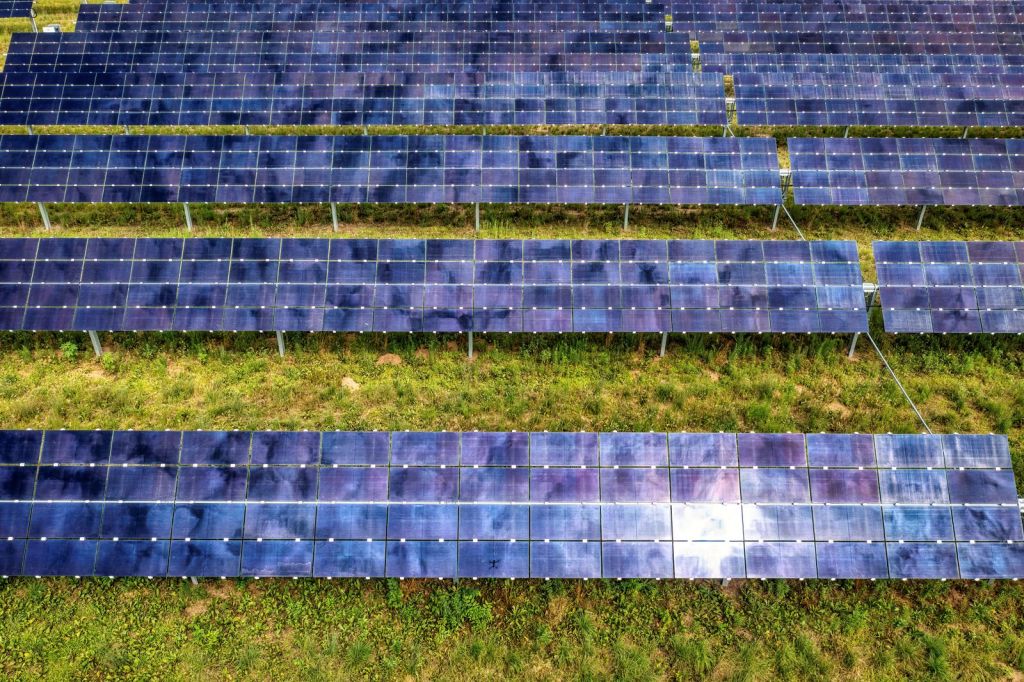
Solar auction results across several growth markets point in the same direction: more bidders, lower clearing prices and thinner margins for developers. After a period in which module oversupply pushed capital costs down, tenders are now testing how much of that saving bidders are willing to pass through to buyers.
The dynamics vary by market but the pattern is consistent. Where offtake risk is well covered by a guarantee or a creditworthy buyer, bids have converged tightly and pricing has fallen. Where currency or payment risk remains, spreads stay wide and some rounds attract fewer serious offers than the volume on offer.
Developers are responding in three ways. Bidding portfolios rather than single sites to spread grid and land risk; pairing solar with storage to compete on delivered energy rather than headline tariff; and pushing for indexation clauses that share inflation and currency movements with the buyer.
For equipment suppliers, tight auction pricing translates directly into procurement pressure. Winning developers are negotiating harder on modules, inverters and balance-of-system, and are more willing to split orders across vendors to keep tension in the supply chain.
The risk in the tightening is delivery. Aggressive bids that assume today’s equipment prices and today’s interest rates can struggle to reach financial close if either moves. Watching completion rates from the last two rounds will say more about market health than the clearing prices themselves.
Background: cheap modules, expensive risk
Global module oversupply has pushed solar hardware prices to record lows, documented in IRENA’s cost reports and Lazard’s levelised-cost analysis, and auction clearing prices in well-structured markets have followed. Where they have not, the difference is risk: currency, payment, grid and curtailment. Standardised programmes such as Scaling Solar and South Africa’s IPP Office rounds show how guarantees and clear documents narrow bid spreads.
What to watch
- Tender design changes that reward delivered rather than headline energy — see solar tenders reward evening delivery and storage co-location.
- Curtailment and grid risk allocation — see curtailment risk priced into bids.
- Local-content conditions that change cost bases — see local content rules tighten.
- Corporate demand as an alternative to auctions — see corporate PPAs.
What it means for suppliers to utilities and OEMs
Tight pricing pushes developers to squeeze balance-of-plant costs, favour proven suppliers who reduce financing risk, and demand performance guarantees. Suppliers of trackers, inverters, cabling and plant controllers compete on lifetime value and bankability rather than list price. Follow auction results on our renewables page.
Sources and further reading
- IRENA — Renewable Power Generation Costs — cost data
- Lazard — LCOE+ — cost benchmarks
- Scaling Solar — standardised procurement
- IPP Office South Africa — auction results
This article was researched and written by the EnergiTech Media editorial team and last reviewed in August 2026. We update country and sector guides as tenders, plans and regulations change. Spotted something out of date? Email support@energitechmedia.com.



 EnergiTech Media