
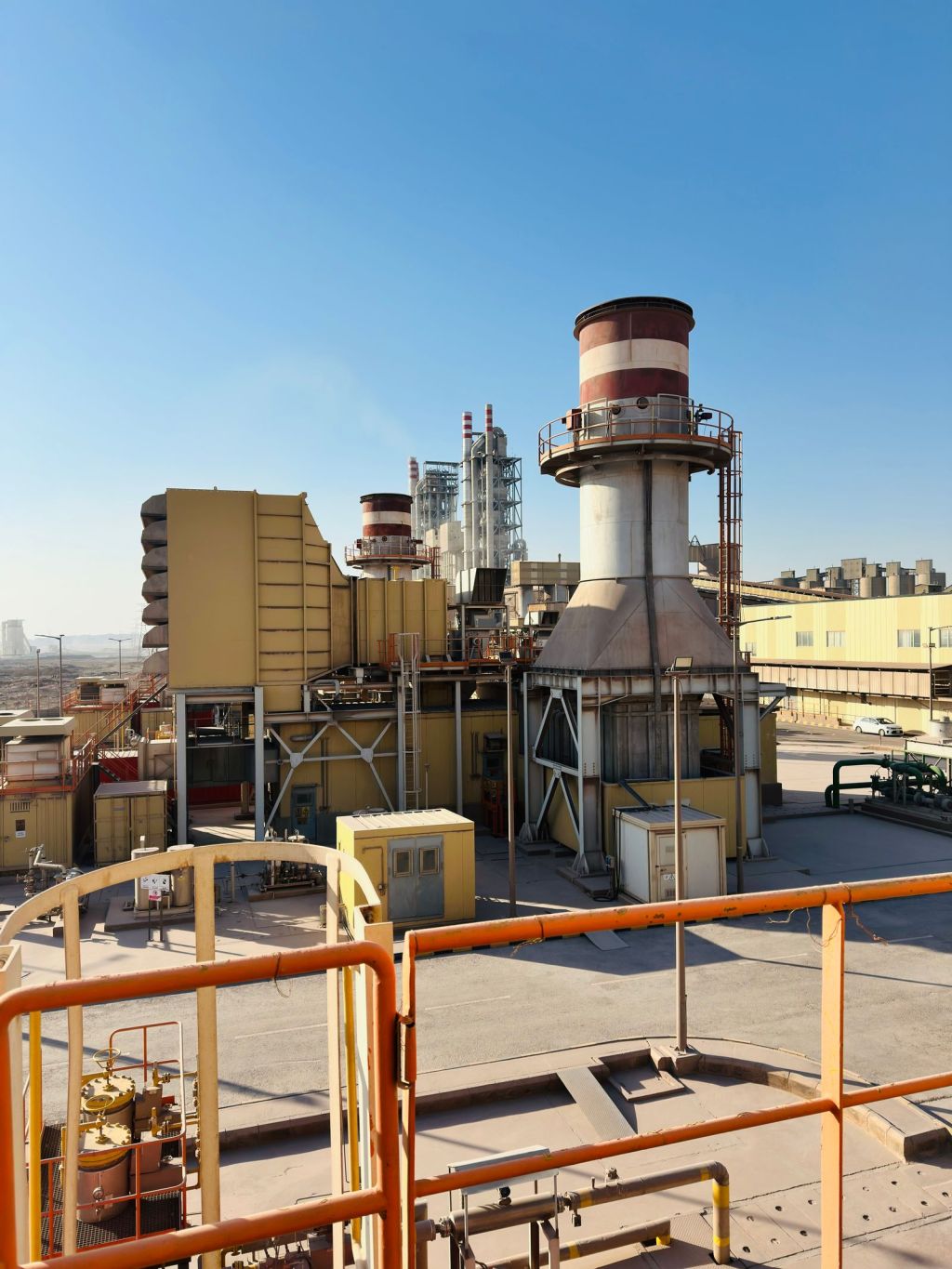
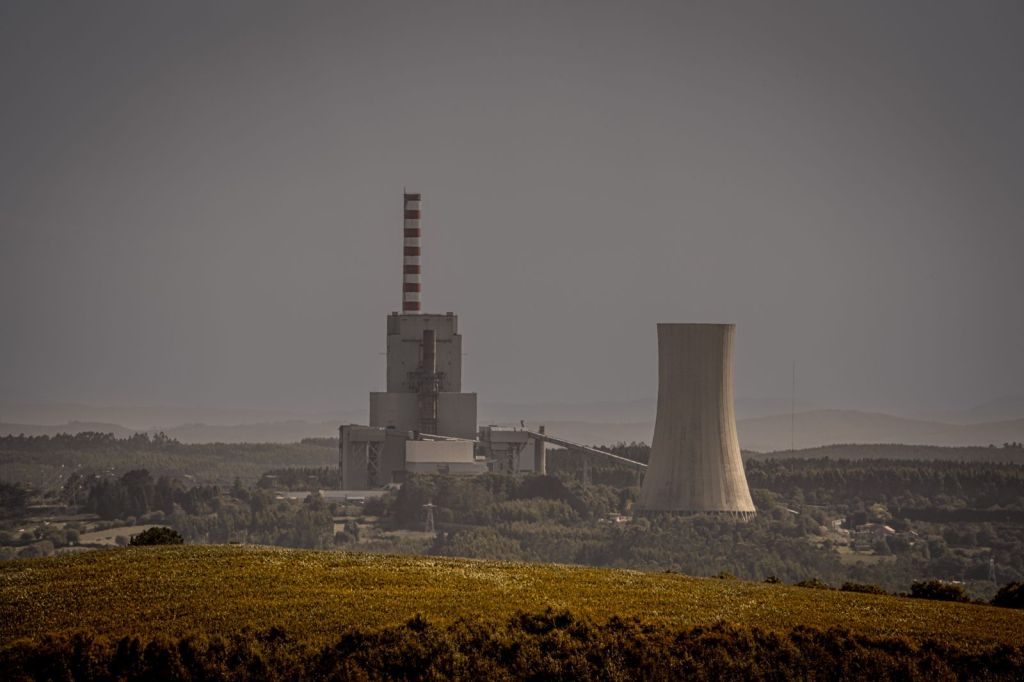
Fast-growing cities are procuring flexible thermal capacity to firm up supply while renewable and storage fleets scale. The projects are typically gas-fired peaking units or reciprocating engines, sized to run for a few hundred hours a year and to start within minutes, and they are being justified as bridging assets rather than baseload.
The logic is straightforward. Urban demand growth from cooling and industry is arriving now; utility-scale storage at the required scale is a few years away; and outages carry political and economic costs that make waiting unattractive. Flexible plant fills the gap and can later shift to a pure backup role.
The commercial structures reflect that intent. Contracts emphasise availability payments over energy sales, and several include provisions for reduced dispatch as storage comes online. Fuel supply is the main risk, and projects in markets without domestic gas are pairing generation with regasification or dual-fuel capability.
The debate is about lock-in. Critics argue that once built, thermal plant tends to run more than planned. Supporters point to the alternative — load shedding — and to contract terms that make early retirement financially neutral. The quality of those terms will determine which view proves right.
For the supply chain, the wave means near-term demand for engines, turbines and balance-of-plant, and a longer-term market for conversion, hybridisation and eventual decommissioning services.
Background: firm capacity for growing cities
Urban demand in emerging markets is growing with population, incomes and cooling, and peaks in the evening when solar has faded. Fast-start gas turbines and reciprocating engines — increasingly specified as dual-fuel or hydrogen-ready — remain the technology utilities know how to finance for that role, as the IEA’s electricity security work and natural gas analysis describe. LNG import terminals have widened where gas peakers can be built.
What to watch
- Capacity mechanisms that pay for availability — see capacity markets emerge.
- The competition from batteries for the first hours of the peak — see standalone battery tenders — and the return of gas peakers for longer duty.
- Hydro variability pushing thermal backup — see hydro drought risk.
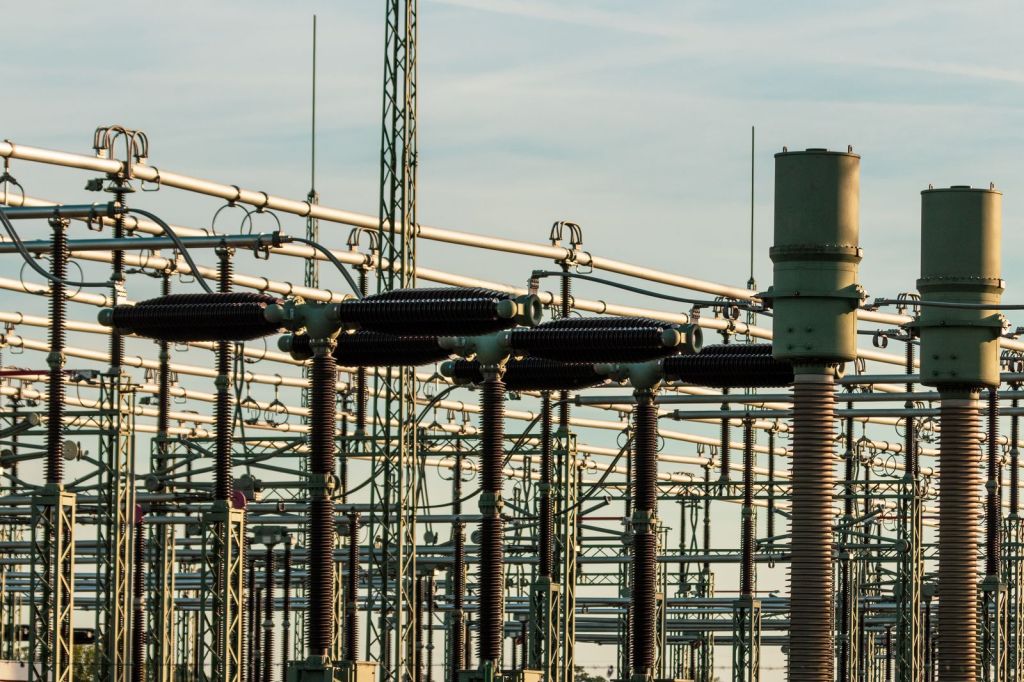
- Grid connection at urban substations, constrained by transformer lead times.
What it means for suppliers to utilities and OEMs
Peaking plants and refurbishments need turbines, engines, generators, step-up transformers, gas systems, controls and emissions equipment, and utilities require availability guarantees and grid-code compliance. Follow procurement on our power generation page.
Sources and further reading
- IEA — Electricity security — adequacy analysis
- IEA — Natural gas — market outlook
- World Bank — Energy — gas-to-power finance
This article was researched and written by the EnergiTech Media editorial team and last reviewed in August 2026. We update country and sector guides as tenders, plans and regulations change. Spotted something out of date? Email support@energitechmedia.com.
 EnergiTech Media