
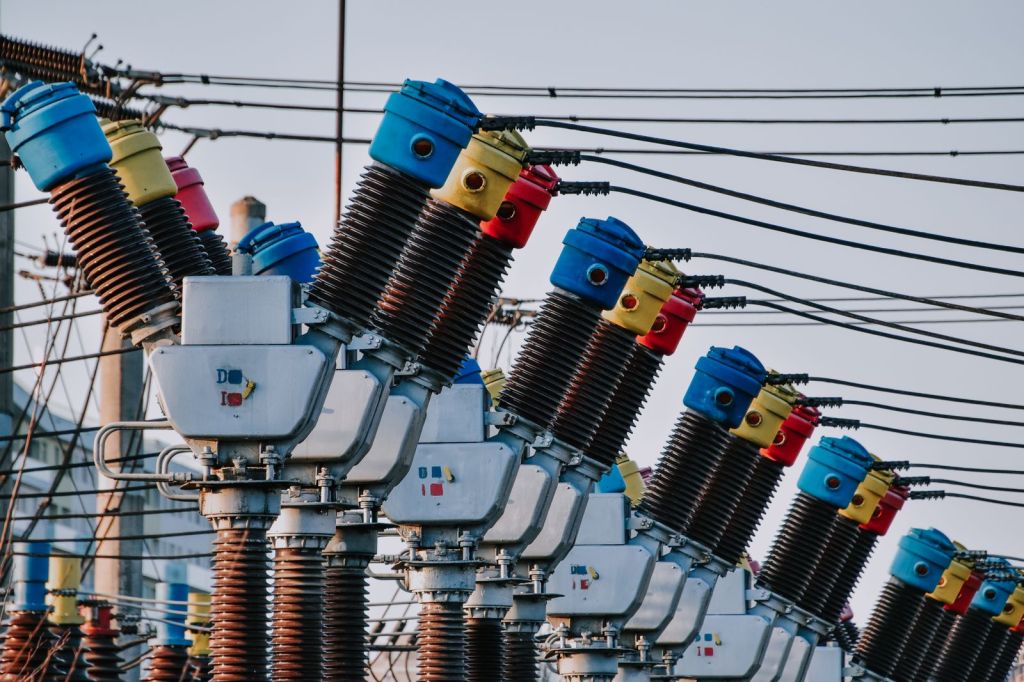
Digital substation technology — process-bus communications, merging units and software-defined protection — has crossed from pilot to procurement in several growth-market transmission systems. New builds are increasingly specified digital by default, and retrofit programmes for existing sites are being scoped.
The case rests on space, cost and visibility. Digital designs need less copper cabling and a smaller footprint, which matters in dense urban substations; they reduce commissioning time; and they generate the data that control rooms need to operate a more variable system.
The barriers are skills and standards. Protection engineers trained on conventional schemes need retraining, and utilities need confidence that equipment from different vendors will interoperate. Procurement documents are responding with tighter conformance requirements and longer support obligations.
Cybersecurity is the other change. Connecting protection systems to networks creates attack surfaces that conventional substations did not have, and utilities are writing security requirements into specifications from the outset rather than adding them later.
For suppliers, the shift favours those who can offer training and long-term support alongside hardware. For utilities, it is one more reason to invest in the engineering workforce that the whole transition depends on.
Background: what a digital substation is
A digital substation replaces copper wiring between primary equipment and protection and control with fibre-optic process and station buses using IEC 61850, adds merging units and intelligent electronic devices, and streams condition data from transformers and switchgear. Benefits include faster commissioning, smaller footprints, remote diagnostics and easier expansion — reasons the IEA and CIGRE identify substation digitalisation as a core part of grid modernisation. Development banks fund it within transmission programmes.
What to watch
- Fleet-scale procurement following successful pilots, alongside control-centre and distribution sensing programmes.
- Cybersecurity requirements in every digital substation tender — see cybersecurity requirements.
- Transformer monitoring and life extension, valuable while lead times are long.
- Interconnector and renewable-connection substations, where digital designs are becoming standard — see interconnector projects accelerate.
What it means for suppliers to utilities and OEMs
Digital substation projects need protection and control IEDs, merging units, non-conventional instrument transformers, communications, engineering tools and training, plus monitoring for primary equipment. Utilities score IEC 61850 interoperability, security and local support. Follow tenders on our grid reliability page.
Sources and further reading
- IEA — Electricity Grids and Secure Energy Transitions — grid modernisation analysis
- CIGRE — technical guidance on digital substations
- IEC 61850 — substation communications standard
- World Bank — Energy — transmission modernisation programmes
This article was researched and written by the EnergiTech Media editorial team and last reviewed in August 2026. We update country and sector guides as tenders, plans and regulations change. Spotted something out of date? Email support@energitechmedia.com.


 EnergiTech Media