
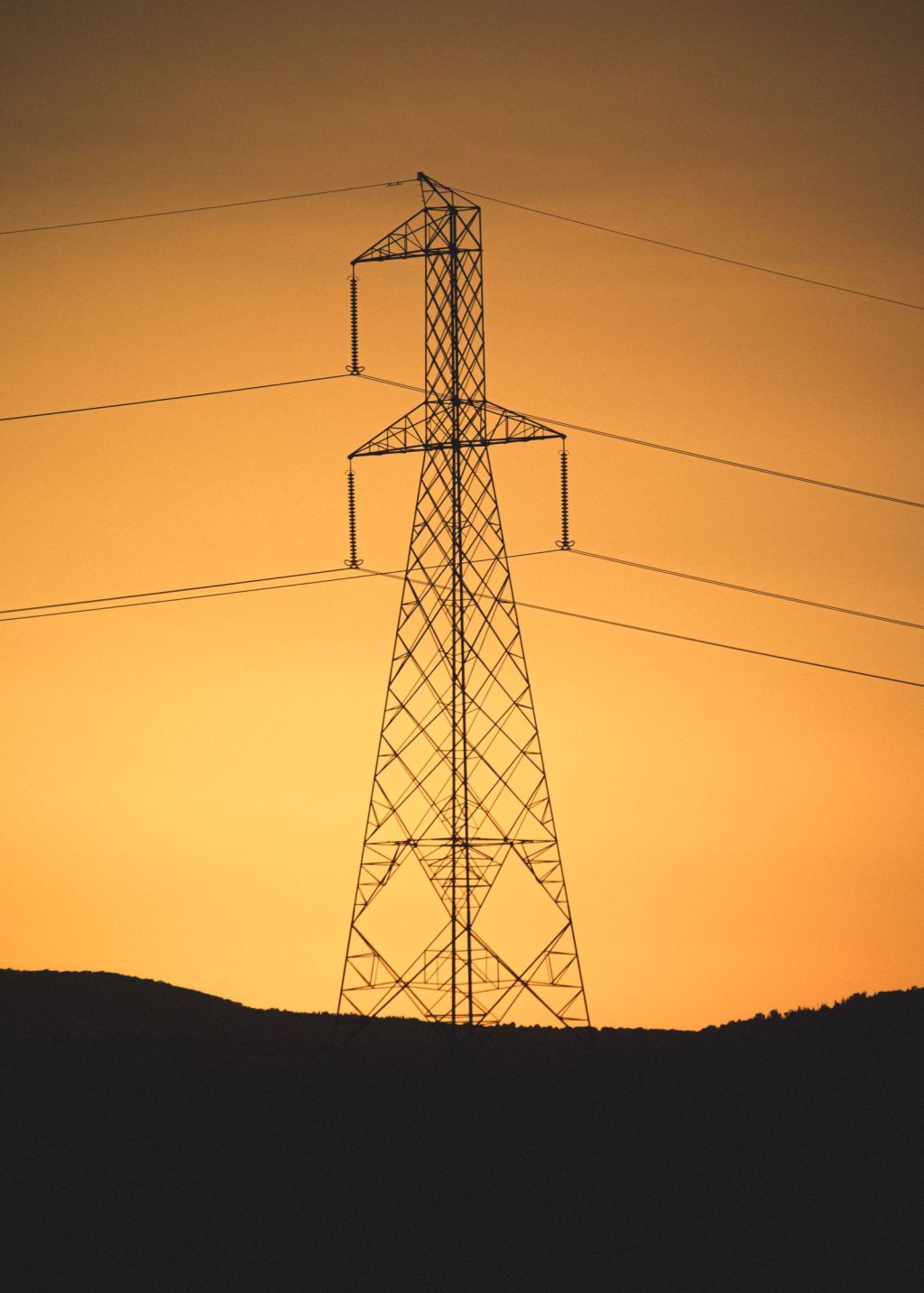
Grid connection has overtaken construction as the thing that decides when, and sometimes whether, a utility-scale solar or wind project gets built. Globally, around 1,650 GW of solar and wind capacity was sitting in connection queues in 2024, according to the International Energy Agency, and the equipment that connections depend on is quoted in years rather than months. This guide walks through how to secure a grid connection for a utility-scale project in an emerging market, step by step, from pre-feasibility to energisation, with the failure points that catch developers most often.
Step 1: Treat the grid study as a siting decision, not a formality
Before land, before resource assessment refinements, commission a desktop grid study. You are looking for three things: available capacity at nearby substations, the realistic injection limit at your proposed connection point, and the network operator’s own reinforcement plans. In most emerging markets the transmission utility publishes a development plan; read it, because a substation scheduled for reinforcement in two years may be a better bet than a closer one with no headroom today. Projects that pick sites on land economics alone routinely discover that the nearest viable connection point is 40 kilometres and one voltage level away.
Step 2: Understand the queue rules before you join the queue
Every connection regime has a queue, formal or informal, and the rules differ more than developers expect. Establish early: is capacity allocated first come first served, or through auctions and tenders? Does a connection application lapse if milestones are missed? Can positions be traded or inherited with a project sale? What deposits or bank guarantees hold your place? In several markets, speculative queue positions with no project behind them are being cleared out through stricter milestone rules, which is good news for real projects and a trap for anyone who treats the application as a land grab. Get the queue strategy wrong and nothing else in this guide matters.
Step 3: Build the grid code into your design, not onto it
Emerging market grid codes increasingly demand capabilities that were optional a decade ago: reactive power support, fault ride-through, frequency response, and in a growing number of markets, grid-forming inverter behaviour. Specify these from the first equipment enquiry. Retrofitting grid code compliance after procurement is one of the most expensive mistakes a developer can make, because inverter and plant controller choices cascade into transformer sizing, protection schemes and SCADA design. If the code is ambiguous, and many are, get written interpretations from the system operator before financial close, not after.
Step 4: Negotiate the connection agreement like the financing document it is
The connection agreement allocates the risks your lenders care about most. Focus on four clauses. Completion risk: who builds the connection assets, and what happens if the utility side is late? Curtailment: under what conditions can the operator constrain your output, and is any of it compensated? Deemed energy: if the grid cannot take your power, does the offtake agreement still pay? And termination: what survives if the utility misses its obligations entirely? In weak-grid markets, uncompensated curtailment is the single assumption most likely to break a financial model, so model it explicitly with sensitivity cases rather than a single optimistic number.
Step 5: Order long-lead equipment before you feel ready
Connection schedules are now set by equipment. Large power transformers are quoted at up to four years, high voltage cable at two to three, and prices have risen roughly 75 percent for transformers since 2019, according to the IEA. Developers who wait for financial close to order are choosing a two-to-four-year delay. The emerging practice is to reserve production slots early, sometimes before close, with reservation agreements that can transfer to the project company. Our reporting on transformer lead times covers this market in more detail. Whatever you do, do not let the grid connection assets become the last procurement package; they must be the first.
Step 6: Manage energisation as a project of its own
The last 90 days before energisation involve a different cast: protection settings approvals, witness testing, SCADA integration with the system operator, metering certification and often a staged ramp-up permission. Assign an owner to this phase in month one, not month thirty. Keep a live register of every approval the operator must issue, with named counterparts. Where possible, agree the commissioning and testing programme as an annex to the connection agreement so it cannot be reinvented late in the day. Projects lose quarters in this phase for want of a signature that nobody was chasing.
The five failure points, summarised
- Siting on land economics without a grid study, then discovering the real connection cost.
- Joining a queue without understanding milestone and lapse rules.
- Procuring equipment before fixing grid code compliance in the specification.
- Accepting uncompensated curtailment language that lenders will not.
- Ordering transformers and HV cable last instead of first.
Frequently asked questions
How long does a grid connection take in emerging markets?
From application to energisation, two to five years is a realistic range for utility-scale projects, with equipment lead times and utility-side construction usually the longest components. Well-prepared projects at reinforced substations can beat that; projects needing new transmission lines rarely do.
Who pays for grid reinforcement, the developer or the utility?
It varies by market and is often negotiable. Common models are deep charging, where the developer funds reinforcements their project triggers, and shallow charging, where they fund only the direct connection assets. Know which regime applies before you bid a tariff, because the difference can be a third of project capex.
Can battery storage improve a grid connection application?
Increasingly yes. Storage lets you commit to a firmer export profile, reduces the reinforcement your project triggers, and in some markets earns queue priority or better curtailment terms. See our guide to the standalone storage tender wave for how procurement is evolving.
Sources and further reading
- IEA, Building the Future Transmission Grid, executive summary
- pv magazine USA, transformer lead times extend to four years, May 2026
Written by the EnergiTech Media newsroom, drawing on published grid codes, connection frameworks and the sources above. This is general guidance, not project advice; connection regimes differ significantly by market. Last reviewed and updated: August 2026.

 EnergiTech Media
Leave a comment