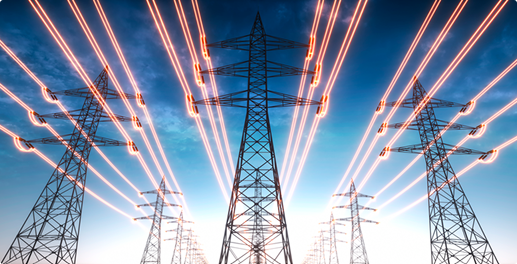
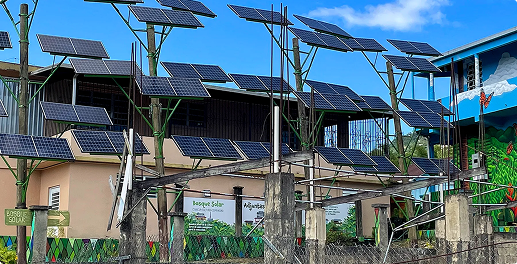
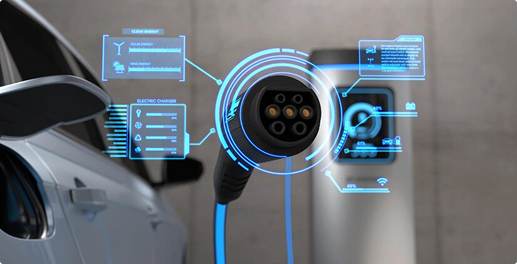
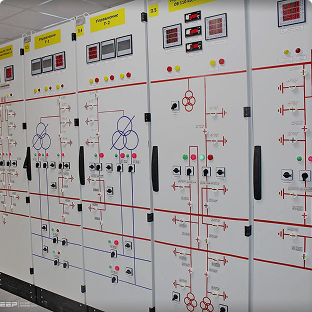
As Distributed Energy Resources (DERs) such as rooftop solar, battery storage, and EVs become mainstream, the traditional grid is shifting to the edge.
“Grid resilience isn't just about infrastructure, it’s about intelligence. The future of grid innovation depends on real-time data and adaptive response systems.”
“AI-driven forecasting is no longer a nice-to-have, it’s a baseline requirement for renewable integration into India’s national grid.”
Meera Iyer
Director of Strategy
“Distributed energy resources are reshaping how we balance supply and demand. Control must move closer to the edge.”
Daniel Kraft
Head of Smart Grids
“Grid resilience isn't just about infrastructure, it’s about intelligence. The future of grid innovation depends on real-time data and adaptive response systems.”
Suhas Patankar
Founder
Toolkit: For Grid Engineers & Energy Analysts
Grid Modernization Playbook (PDF)
Load Balancing Simulation Spreadsheets
Webinar Recording: “AI in Grid Ops – What’s Working in 2025?”
“Modernization in Motion”
Siemens Energy
Shell
Plug Power
Air Liquide
Feature Your Innovation>
Want More Grid Intel?
Get monthly maps, tech deep-dives & expert interviews
Grid modernization refers to upgrading the traditional electrical grid with smart technologies like sensors, automation, and real-time data to improve reliability, efficiency, and renewable energy integration.
What are smart grids?
Smart grids use digital tech and communication systems to manage electricity flow, detect outages, and optimize power delivery—making the grid more responsive and efficient.
Why are microgrids important?
Microgrids offer localized power generation and storage, which ensures energy security during outages and enables renewable energy use in remote or critical facilities.
How does modernization benefit consumers?
Consumers get fewer outages, faster recovery, and better tools to monitor and reduce energy usage through smart meters and apps.
How does the grid support renewables?
Modern grids balance the fluctuating supply from wind and solar using forecasting, storage, and demand response—ensuring a stable power supply.
Who pays for modernization?
Utilities recover upgrade costs through small rate increases approved by regulators, but long-term savings from fewer blackouts and lower maintenance often offset these.